

In today’s fiercely competitive digital landscape, where numerous companies vie for attention with similar products and services, the art of retaining online customers has become more critical than ever. While the initial thrill of acquiring new customers is undeniable, sustainable growth hinges on nurturing existing relationships and fostering lasting loyalty. The digital realm is dynamic, with rapid technological advancements and evolving customer expectations constantly reshaping the market. What resonates with your audience today may become obsolete tomorrow, making continuous adaptation essential. However, proactive businesses can implement robust strategies to not only meet but exceed customer expectations, transforming transient visitors into steadfast patrons. Understanding these pivotal strategies is key to building a resilient and thriving online presence.

Provide Top-Notch Customer Service
Exceptional customer service isn’t merely a department; it’s the bedrock of customer retention and brand reputation. Conversely, a single negative customer service interaction can be the quickest route to losing a customer permanently, regardless of the quality of your product or service. Even if you offer the most innovative solution on the market, customers will inevitably gravitate towards competitors who prioritize their needs and provide a hassle-free experience when issues arise. Therefore, investing in superior customer service is not an expense, but an investment in your company’s future.
Great customer service encompasses several crucial elements. It begins with accessibility and responsiveness across multiple channels, including live chat, email, phone, and social media. Customers expect swift, empathetic, and effective solutions to their problems. Beyond direct support, a well-curated and easily navigable FAQ page or comprehensive knowledge base is indispensable. This self-service portal empowers customers to find answers independently, at their own pace, and often outside traditional business hours. To maximize its effectiveness, ensure the content is intuitive, regularly updated, and designed for easy searching, especially for the growing number of clients accessing your site via mobile devices. This proactive approach not only resolves common queries efficiently but also reduces the burden on your support team, allowing them to focus on more complex issues. Implementing AI-powered chatbots can further enhance initial response times, guiding customers to relevant information or connecting them with a human agent when necessary. Ultimately, excellent customer service builds trust, fosters satisfaction, and significantly reduces churn rates, turning potential frustrations into opportunities for positive brand reinforcement.
Personalize the Customer Experience
In an age of mass marketing, personalization stands out as a powerful differentiator. Recognizing that each customer is a unique individual with distinct needs, preferences, and pain points is fundamental to building lasting relationships. Generic interactions can often feel impersonal and transactional, failing to resonate with your audience. Tailoring the customer experience, therefore, is not just a nice-to-have but a strategic imperative. Fortunately, you have a wealth of data at your fingertips, particularly customer feedback, which can be leveraged to craft highly relevant and engaging content and services.
Effectively gathering useful feedback is the first step. Incorporate feedback boxes or widgets prominently at the bottom of your web pages, inviting visitors to share what they appreciate, what could be improved, or what new features they’d like to see. Beyond passive feedback, actively solicit input through post-purchase surveys, Net Promoter Score (NPS) questionnaires, and direct outreach. Social listening tools can also provide invaluable insights into public sentiment and specific customer concerns. Once collected, this feedback should not just be stored but actively analyzed and acted upon, creating a closed-loop system where customers see their suggestions leading to tangible improvements. This demonstrates that you value their input, strengthening their loyalty.
Furthermore, personalization extends to adapting content for specific platforms and devices. The content you craft for your company’s Facebook page, for instance, should differ in tone, length, and visual style from a detailed blog post or an email newsletter. Each platform has its own nuances and audience expectations. Crucially, in a mobile-first world, responsive and mobile-friendly design is an absolute must. Content viewed on a large desktop monitor must seamlessly adapt and remain equally engaging and functional on a smartphone or tablet. Neglecting responsive design can lead to frustrating user experiences, high bounce rates, and ultimately, lost customers. By delivering a tailored and optimized experience across all touchpoints and devices, businesses can significantly enhance user satisfaction, engagement, and conversion rates, fostering a deeper connection with their audience.
Develop an Effective Loyalty Campaign
Building an effective loyalty campaign is about more than just offering sporadic discounts; it’s about creating a structured program that recognizes and rewards your most valuable customers, encouraging repeat business and fostering a sense of belonging. Listening intently to your customers through feedback mechanisms, surveys, and direct interactions is paramount. This deep understanding of their expectations, pain points, and preferences will empower you to design a loyalty program that genuinely resonates and provides meaningful value. A well-designed loyalty program can significantly increase customer lifetime value (CLV) and turn customers into enthusiastic brand advocates.
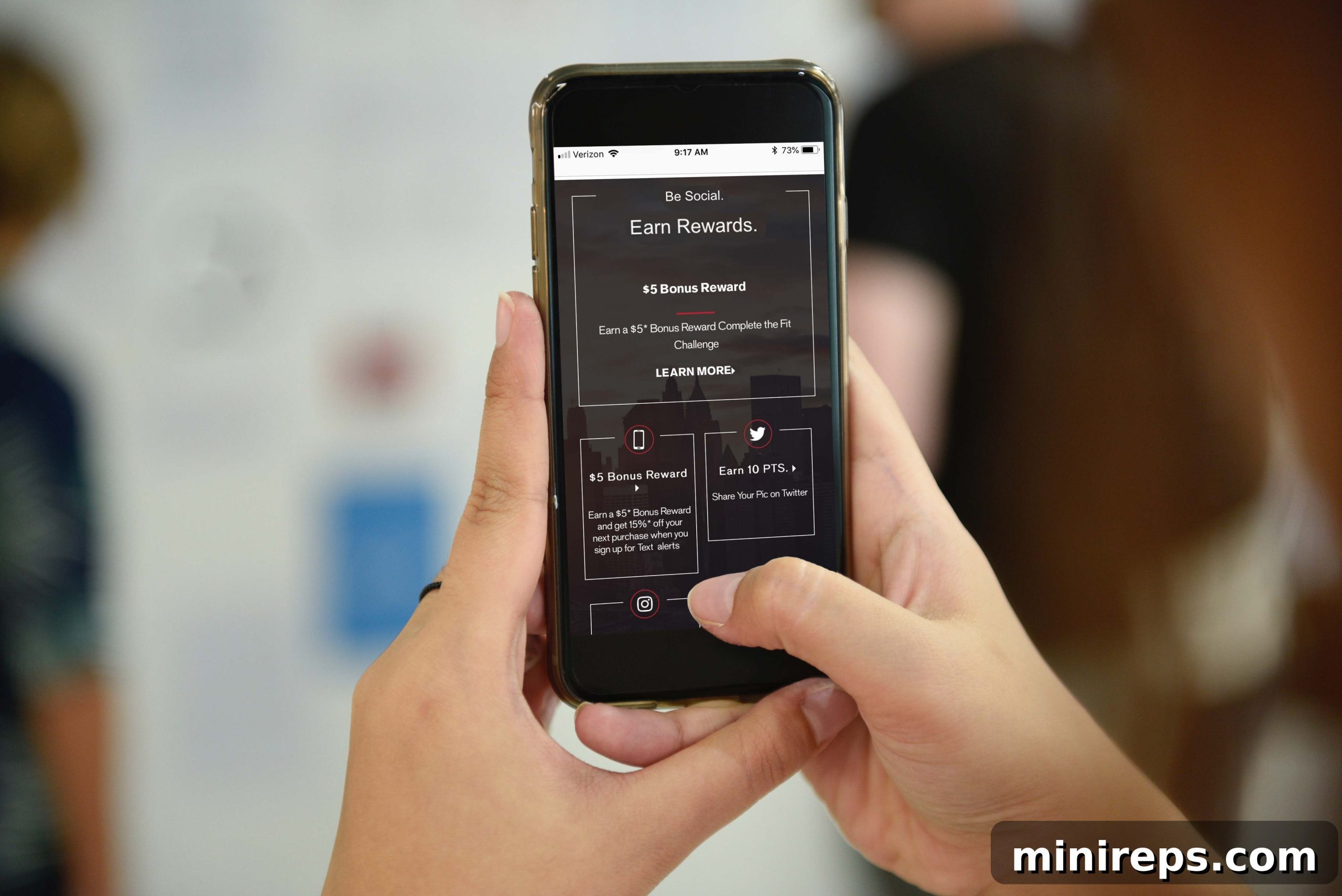 Your loyalty campaign can encompass a variety of attractive perks. These might include exclusive discounts and special offers, early access to new products or services, birthday rewards, or even open access to gated premium content. The key is to offer rewards that are genuinely desirable to your target audience. Beyond the ‘what,’ consider the ‘how’ – testing different communication channels to deliver these perks effectively. Email marketing remains a cornerstone, allowing for personalized messages, segmentation based on customer behavior, and automated campaigns. Live chat on your website can be used for real-time promotions or exclusive offers during a browsing session. Text messaging (SMS) marketing is particularly potent for time-sensitive offers, urgent notifications, or quick updates, boasting high open rates. Even small businesses can leverage SMS effectively, but it requires careful execution. Push notifications can also alert customers to new deals or loyalty points. However, wisdom is paramount: bombarding a customer’s inbox or phone with incessant promotions is a surefire way to have your communications relegated to the junk folder or blocked entirely. The foundation of any successful communication strategy is obtaining explicit opt-in from your customers, ensuring they willingly agree to receive relevant marketing messages from you. Respecting their preferences and providing genuine value with every communication will build trust and enhance the overall effectiveness of your loyalty campaign.
Upselling and Cross-selling Your Services
Upselling and cross-selling are sophisticated strategies that go beyond initial customer acquisition, focusing on maximizing the value of existing customer relationships. These techniques are not just about increasing revenue; they’re about enhancing the customer experience by offering solutions that better meet their evolving needs or provide additional benefits. By strategically implementing these approaches, businesses can significantly increase their average order value (AOV) and customer lifetime value (CLV).
Upselling involves encouraging a customer to purchase a more expensive, upgraded, or premium version of the product or service they are currently buying or have already purchased. For example, if a customer is considering a basic software subscription, you might highlight the benefits of a premium plan that includes advanced features, greater storage, or enhanced support, demonstrating how this upgrade directly addresses potential future needs or current pain points. The goal is to provide a solution that is demonstrably superior and offers more value for a slightly higher investment. While one customer might be content with a simple, entry-level solution requiring minimal effort on your part, another might have more intricate requirements that necessitate a comprehensive, advanced package. Through careful understanding of their specific situation, you can skillfully upsell them to the service level that truly aligns with their needs, justifying the higher price with increased utility and benefits.
Cross-selling, on the other hand, involves offering a related or complementary service or product that enhances the original purchase. If a customer buys a website hosting package, cross-selling might involve suggesting domain registration, an SSL certificate, professional email services, or a website builder. These are additional items that, while not essential for the initial service, significantly improve its functionality, security, or overall user experience. You still provide the original service, but the add-on makes it more complete and effective. The key to successful upselling and cross-selling lies in relevance, timing, and demonstrating genuine value. These tactics should never feel pushy or irrelevant. Instead, they should be presented as helpful suggestions that deepen the customer’s engagement with your brand and deliver superior outcomes, transforming a single transaction into a more comprehensive and enduring relationship.
Bonus Tip: Offer Content That Grows With Your Customers
A truly effective customer retention strategy extends beyond immediate transactions to encompass the entire customer journey, from initial awareness to long-term advocacy. By developing a comprehensive content marketing strategy that caters to your clients’ needs at each stage of their growth and interaction with your brand, you can build an unbreakable bond. This involves understanding their evolving questions, challenges, and goals at every touchpoint.
Consider the distinct phases of the customer journey:
- Awareness Stage: At this initial phase, customers are recognizing a problem or need. Provide educational content such as insightful blog posts, engaging podcasts, short informational videos, and easily digestible guides. The aim is to help them identify their challenges and understand if what you offer presents a potential solution.
- Consideration Stage: As they move closer to making a decision, customers are evaluating various solutions, including yours. Offer more in-depth resources like detailed white papers, illuminating case studies, comparison guides, and webinars. This content helps them understand the specifics of your offering, its unique benefits, and how it directly addresses their particular requirements, helping them build a strong case for choosing your service.
- Decision Stage: When customers are ready to commit, remove any final barriers. Make the purchase process seamless by offering compelling incentives like free trials, live product demonstrations, personalized consultations, and a meticulously crafted FAQ page that addresses common last-minute concerns about pricing, features, or implementation. Testimonials and social proof are also powerful at this stage.
- Retention and Advocacy Stage: Once they become paying customers, the journey continues. Focus on providing ongoing value and support to foster loyalty. This includes offering exclusive loyalty programs, providing access to advanced tutorials, hosting user communities, and delivering proactive customer support. Keep in regular contact through personalized emails, valuable newsletters, and relevant push notifications, ensuring they feel supported and valued. Regularly update them on new features or ways to get more out of your service.
These basic, yet powerful, customer retention tactics form a robust framework for not only keeping online customers but also significantly improving their overall satisfaction and transforming them into loyal advocates. Continuously listen closely to your audience, focus intently on refining and improving every facet of your customer experience, and diligently test various marketing and communication channels to discover what resonates most effectively with your target market. By committing to these principles, you lay the groundwork for sustainable business growth and long-term success in the dynamic online world.
Alexa Lemzy is the customer support manager and blog author at TextMagic, a leading bulk text messaging provider. She covers topics like customer retention and customer service in her articles and is fascinated by the latest developments in the mobile technology world.