
The Enduring Power of Domain Names in the Digital Age: Why Social Media Can’t Replace Your Website
In today’s hyper-connected world, establishing a robust online presence is no longer merely an option for businesses; it’s as fundamental as solid financial planning and budgeting. A brand, regardless of its size or industry, simply cannot achieve its full potential without a strong digital footprint. While the internet has evolved dramatically since its inception, with social media platforms becoming ubiquitous, one foundational element remains irreplaceable: the domain name. It serves as the cornerstone of your digital identity, an address that is uniquely yours in the vast online landscape.
Before the widespread adoption of social media, the process was clear: register a domain name, build a website on it, and then employ traditional and early digital marketing methods to drive traffic. With the rise of social networks, businesses quickly recognized the immense potential to engage with customers and their networks directly on platforms like Facebook, Instagram, and X (formerly Twitter). However, this convenience and reach came with a critical caveat: social media, for all its undeniable power, cannot stand alone as a complete online presence. It serves as a powerful amplifier, a vital communication channel, but not the ultimate destination for your brand.
Your Domain: The Unquestionable Foundation of Your Digital Identity
The primary purpose for most businesses registering a domain name is to establish a dedicated website. This digital hub serves a multitude of critical functions, whether you’re sharing innovative products, offering essential services, or spreading a compelling idea. For e-commerce brands, the website is their virtual storefront, open 24/7 to a global audience. It’s where transactions occur, product details are explored, and customer relationships are nurtured. For brick-and-mortar businesses, a website is an invaluable educational tool, showcasing your offerings, detailing your location and hours, and ultimately encouraging in-person visits. It bridges the gap between the digital discovery and the physical experience.
As we’ve highlighted repeatedly, the concept of an “offline brand” is rapidly becoming obsolete. In an era where information is sought instantly, if your business lacks an online presence, how will potential customers discover you? How will they learn about your values, your offerings, or your unique selling propositions? A custom domain name lends immediate credibility and professionalism, signaling to your audience that your brand is legitimate, established, and easily accessible. It’s the digital equivalent of a permanent business address, a stable point of reference in an ever-shifting digital landscape, crucial for fostering trust and ensuring discoverability.
The Dynamic Role of Social Media in Today’s Marketing Landscape
Referral business has always been a significant growth engine for small businesses, and this holds true in the digital age. Unlike large corporations with extensive advertising budgets, small enterprises often rely on the loyalty of their existing customer base and the advocacy of their brand champions. Word-of-mouth marketing, now amplified exponentially through social media, generates invaluable leads and drives sales. Platforms like Yelp, Facebook, and Instagram allow customers to easily share their experiences, recommendations, and reviews, extending a brand’s reach far beyond its immediate network.
As a typical modern consumer, I frequently engage in researching and discovering new brands in my leisure time. Recently, needing a nail appointment, I turned to Yelp to scout salons in my area. My goal was to find a reputable place offering quality service and value. I ultimately chose a new salon based on a compelling image shared by a satisfied customer and an abundance of positive reviews. Upon arrival, the salon was bustling. When I inquired about their consistent busyness, the owner attributed it directly to their stellar Yelp presence and the high volume of amazing reviews. There is no denying the immense power of social media to influence consumer decisions, build communities, and drive immediate engagement. However, despite its undeniable impact, social media fundamentally serves a different purpose than a dedicated domain name; it’s a channel, not a home.
Why Your Domain Remains the Digital Anchor: Limitations of Social Media as a Standalone Platform
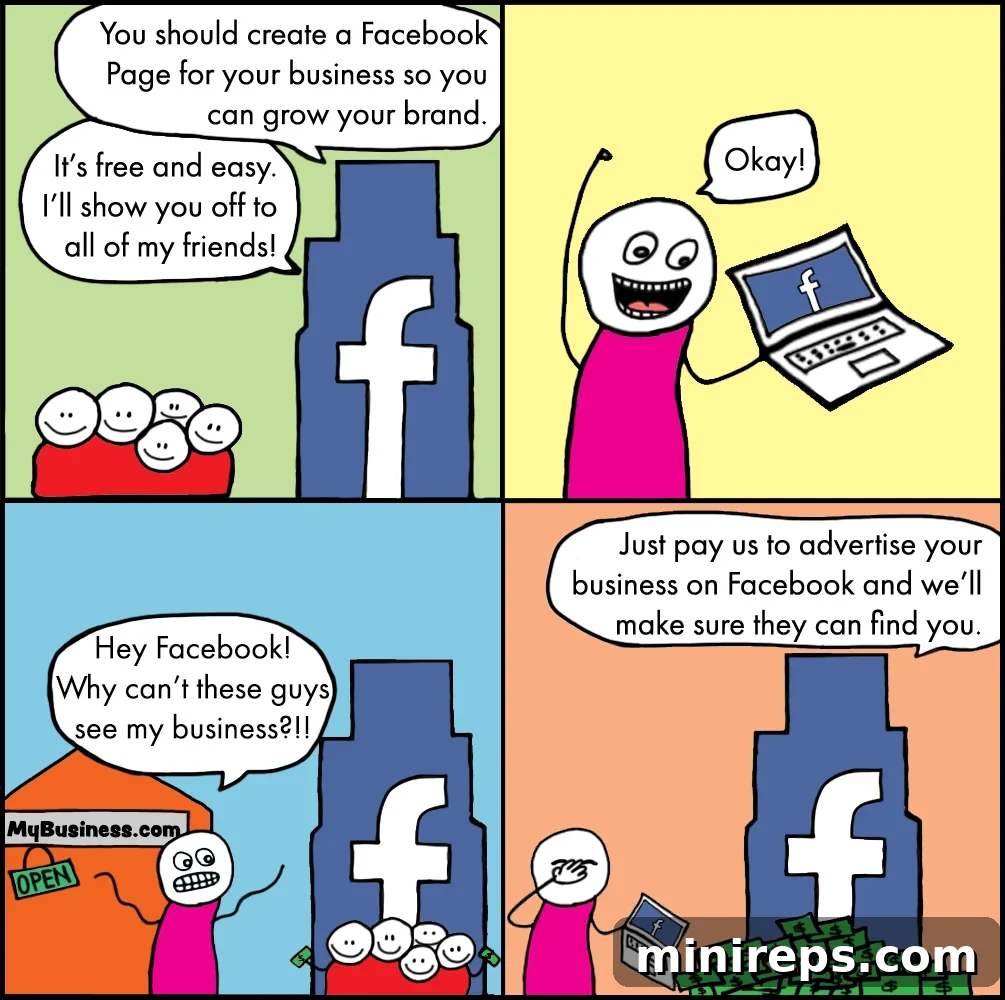
While social media began as a groundbreaking promotional tool, enabling businesses to connect with customers where they congregated online, its landscape has dramatically shifted. What started as a free and open channel for engagement has increasingly evolved into a “pay-to-play” environment. Brands often find themselves compelled to invest significant resources into paid promotion simply to ensure their content is seen by their own followers, let alone a wider audience. This fundamental shift underscores why social media, despite its benefits, cannot replace the enduring value of a domain name.
credit: 101domain, Shani Yehezkel
1. Ownership and Control: Your Digital Real Estate
The most critical distinction between a social media presence and a domain-based website lies in ownership and control. When you operate solely on social media, you are essentially building your business on rented land. The platform dictates the rules, the algorithms, and the terms of engagement. Your content, your audience data, and even the very existence of your business profile are subject to the platform’s policies, which can change without warning. A custom domain name, on the other hand, represents your own digital real estate. You own the content, you control the user experience, and you dictate the monetization strategies. This autonomy is paramount for long-term business stability and growth.
2. Platform Volatility and Algorithm Changes
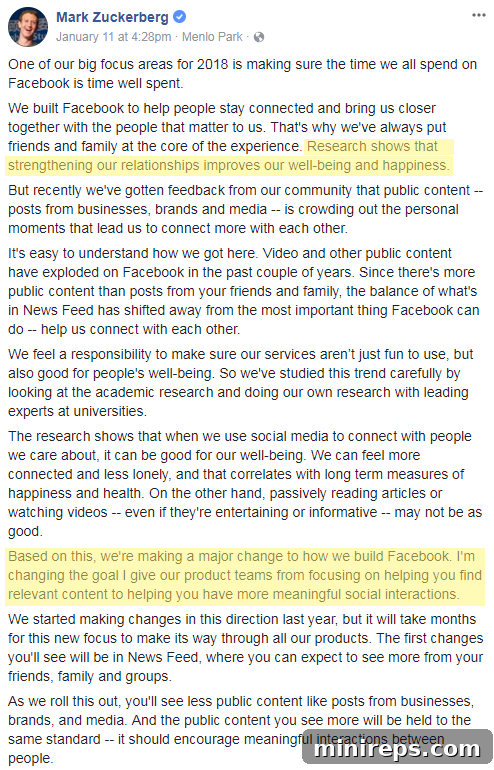
Companies like Facebook and Google command a massive share of the online market. As evidenced by Apple’s list of top downloaded apps, these tech giants exert immense influence over how we consume and interact with online content. This dominance means they can — and frequently do — alter their algorithms and policies. For businesses heavily reliant on social media, these changes can have devastating consequences, drastically reducing organic reach and visibility overnight. Mark Zuckerberg’s stated intention to shift Facebook’s focus back to person-to-person interactions, for example, signaled a potential reduction in brand visibility without paid promotion. A domain name and a self-hosted website insulate your business from such unpredictable shifts, ensuring a stable channel for communication with your audience.
Furthermore, in an era grappling with the spread of misinformation and “fake news,” social platforms face increasing scrutiny and accountability. This often leads to stricter content moderation and reduced distribution for certain types of posts, impacting businesses that may inadvertently fall afoul of evolving guidelines. The bottom line is that social websites control the user experience, often making it incredibly challenging for your business content to gain traction and be seen without significant investment in paid advertising.
3. Branding and Professionalism
A custom domain name (e.g., yourcompany.com) instantly elevates your brand’s professional image. It communicates legitimacy and commitment in a way that a social media handle alone cannot. It’s a fundamental part of your brand identity, easily memorable and shareable, reinforcing your unique position in the market. While social media platforms offer customization options, they are ultimately templates. Your website, built on your domain, offers limitless possibilities for reflecting your brand’s unique aesthetic, voice, and values, creating a truly immersive and branded experience.
4. Data Ownership and Analytics
On social media platforms, you only get access to a fraction of the data generated by your audience’s interactions. The platforms retain the lion’s share of this valuable information. With your own website, you have complete control over data collection and analytics. Tools like Google Analytics provide granular insights into user behavior, traffic sources, conversion rates, and much more. This proprietary data is invaluable for understanding your audience, optimizing your marketing strategies, and making informed business decisions that directly impact your bottom line.
5. SEO and Organic Visibility
While social media activity can indirectly support SEO, a well-optimized website built on a strong domain is the primary driver of organic search traffic. Search engines like Google prioritize websites for authoritative content, relevance, and user experience. Investing in your website’s SEO builds long-term equity and ensures that your business can be discovered by potential customers actively searching for your products or services. Social media content, while searchable within its own platform, rarely achieves the same level of independent organic visibility on major search engines.
6. Monetization and Customization Flexibility
Social media platforms offer limited monetization options, often dictated by their own advertising models or marketplace features. Your own website, however, provides boundless opportunities for customization and monetization. From e-commerce functionality and subscription models to advertising partnerships, lead generation forms, and integrated customer support systems, a website offers the flexibility to tailor your digital operations precisely to your business needs and revenue goals. You’re not restricted by the features a third-party platform chooses to offer.
The Synergistic Approach: Social Media as a Funnel to Your Digital Home
This discussion is not an argument to abandon social media altogether. On the contrary, social media remains an incredibly powerful tool for brand awareness, community building, customer service, and driving engagement. It’s how many people discover new businesses and stay updated with their favorite brands. The key is to view social media not as your primary online presence, but as a robust feeder system, a dynamic funnel that directs interested users to your ultimate digital destination: your website.
By leveraging social media to capture attention, build interest, and foster initial interactions, you can then guide your audience to your domain, where they can delve deeper into your offerings, make purchases, sign up for newsletters, or access comprehensive information without platform-imposed limitations. Your website offers the complete, branded experience, free from distractions and algorithm changes. There’s only so much you can achieve on social media because you are confined to the features and functionalities the platforms offer. Social media can never truly replace domain names because it cannot provide the same unparalleled control, satisfaction, and long-term security that comes with owning and operating your own independent website.
In conclusion, while social media platforms offer invaluable avenues for connection and promotion, the enduring value of a domain name and a dedicated website remains paramount for any business serious about sustained growth and control in the digital landscape. Your domain is your permanent address, your brand’s true home, and the ultimate destination for your customers in their digital journey.