
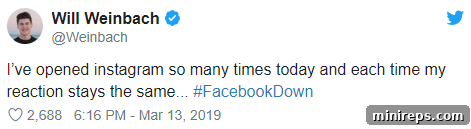
The digital world experienced a seismic shock when Facebook, alongside its ubiquitous apps like Instagram and WhatsApp, suffered an unprecedented global outage. This widespread disruption, lasting over 24 hours, plunged billions into a state of digital limbo. For many, the initial reaction ranged from mild inconvenience to outright anxiety, as users frantically checked their devices, hoping for a return to normalcy. Others embraced the forced digital detox, finding a brief reprieve from the constant churn of social media. However, beneath the surface of fleeting memes and personal frustrations lay a profound question that resonated deeply with businesses and content creators worldwide: “What if Instagram, or any major social platform, never came back?” This incident served as a stark, unsettling reminder of our collective reliance on these platforms and prompted a critical reevaluation of business strategies in an increasingly interconnected, yet fragile, digital landscape.
Navigating the Digital Void: The Instagram Shutdown and Its Ramifications
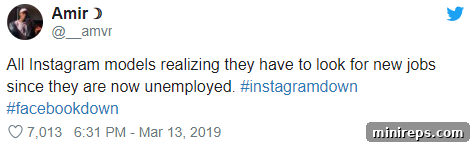
In the wake of the extensive Instagram shutdown, the internet, true to form, responded with a deluge of humor and viral memes. This lighthearted reaction, a common coping mechanism in moments of collective uncertainty, belied a far more serious underlying issue. The outage served as an unequivocal wake-up call, highlighting the inherent vulnerability that comes with entrusting one’s entire brand presence to a single, privately owned social media platform. While the jesting provided temporary relief, countless businesses, influencers, and digital entrepreneurs were forced to confront a sobering reality: their livelihoods were tethered to systems over which they had no control. This unprecedented downtime compelled many to seriously reevaluate their digital strategies, sparking urgent conversations about building a more resilient and independent online presence.


The Ripple Effect: Who Was Truly Affected by the Facebook Outage?
While the Instagram and Facebook outage undoubtedly triggered temporary emotional distress for many social media enthusiasts, its impact on businesses was far more profound and financially significant. In today’s digital economy, social media transcends being merely a platform for personal expression; it has evolved into a cornerstone of commercial operations. A robust online presence today typically comprises a strategic blend of elements: a premium domain name, a professional email address, and a well-managed social media presence. Truly successful enterprises recognize and leverage all these components effectively. Ideally, securing an exact match domain and consistent social media handles for your business name amplifies brand recognition and professionalism.
It’s no secret that for a burgeoning demographic of entrepreneurs, their entire income stream originates from platforms like Instagram. We inhabit an era where content creators, often starting young, achieve extraordinary financial success through digital channels. From highly influential personalities to niche parody accounts and viral meme pages, millions earn their living by cultivating and monetizing an audience on social media. The recent Instagram shutdown, however, glaringly exposed the inherent risks of this dependency. It highlighted the critical vulnerability that arises when businesses or individuals place their sole financial reliance on a third-party platform that can, without warning or recourse, cease to function.
Why Solely Relying on Social Media for Your Business is Risky: Learn to build a more secure foundation.
Building Digital Resilience: Protecting Your Business from Social Media Outages
The Instagram outage served as a powerful lesson: every business, regardless of size, absolutely needs its own dedicated website. Establishing your own website is not merely an option; it is the fundamental way to assert complete control and ownership over your digital business presence. Entrusting your entire operational capacity to a third-party application, as the Instagram shutdown so vividly demonstrated, is a high-stakes gamble. During a service outage, your established communication channels on social media vanish, severing direct interaction with your customers. Partnership agreements, planned promotions, and crucial marketing campaigns grind to a halt, pending the platform’s restoration. But what if that restoration never fully happens, or if it’s plagued by recurring instability?
When your brand isn’t visible and accessible to your audience, your revenue streams inevitably suffer. For businesses whose revenue relies exclusively on social media engagement and sales, such an outage can spell catastrophic financial trouble. Furthermore, the reliance on third-party platforms means ceding control over your reach. These platforms dictate how often, and even if, your audience sees your content through ever-changing algorithms. Beyond visibility, there’s the critical issue of data ownership. Companies like Facebook and Instagram own vast amounts of your business data and, more importantly, your customer’s valuable information, yet you have little to no direct access or control over it. This lack of data autonomy limits your ability to understand, engage, and serve your customer base effectively, making a compelling case for building your own digital real estate.
The Unbeatable Advantage: Key Benefits of a Business Website for Online Presence
1. Unrivaled Control Over Traffic and User Engagement
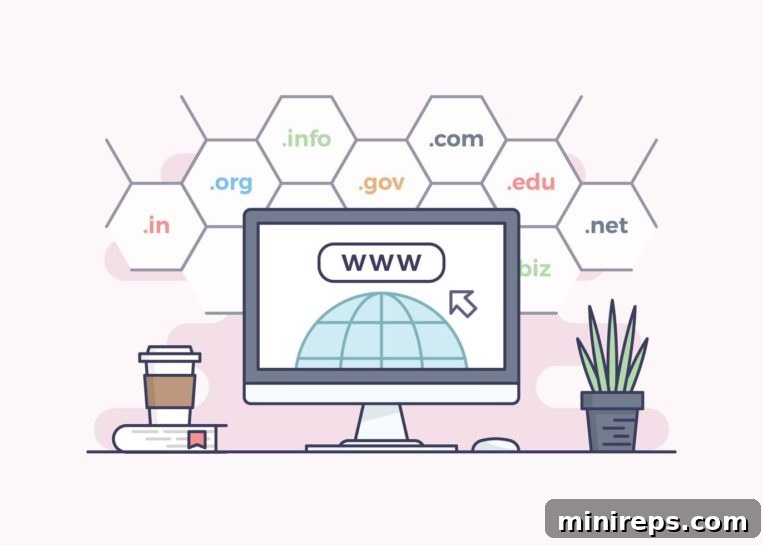
One of the most significant advantages of owning your business website is the unparalleled control it grants over your digital traffic and audience engagement. Unlike social media platforms where your visibility is at the mercy of opaque and frequently changing algorithms, your website allows you to direct and optimize every aspect of your customer’s journey. You can strategically implement PPC (Pay-Per-Click) advertising campaigns to target new potential customers with precision. Furthermore, robust retargeting strategies can re-engage visitors who have previously shown interest in your brand, guiding them back to your site for conversion. On social media, businesses often find themselves in an escalating battle, paying increasingly more for advertising just to maintain visibility amidst constant algorithm shifts. A standalone website, optimized for search engines and user experience, creates a stable and direct channel to your audience, ensuring your brand message is consistently seen and heard.
How to achieve this:
- Secure a strong company domain name that reflects your brand.
- Utilize a reliable business website builder or development platform for easy management.
2. Unlocking the Power of First-Party Customer Information
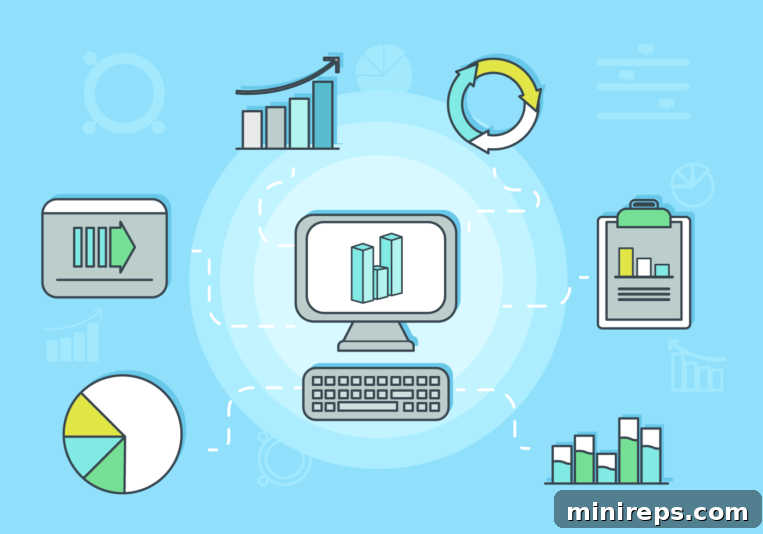
The ability to collect and analyze customer data is arguably one of the most invaluable benefits of operating your own business website. This isn’t about intrusive surveillance; it’s about gaining legitimate, actionable insights into your audience. Tools like Google Analytics provide an exceptional deep dive into consumer behavior, revealing what products customers are exploring, how they navigate your site, which content resonates most, and the paths they take before making a purchase. This first-party data is a goldmine. It empowers you to refine your customer experience, personalize offerings, and optimize your marketing efforts with precision. Understanding your customers at this granular level fosters loyalty, builds trust, and ultimately drives higher conversion rates, transforming casual visitors into engaged, long-term patrons. In contrast, social media platforms provide only aggregated, limited data, leaving you largely in the dark about your audience’s true preferences and behaviors.
How to achieve this:
- Integrate a professional email marketing service to build direct communication channels.
- Leverage tools like Google G Suite for comprehensive business analytics and productivity.
3. Ensuring Business Continuity and Eliminating Unplanned Downtime
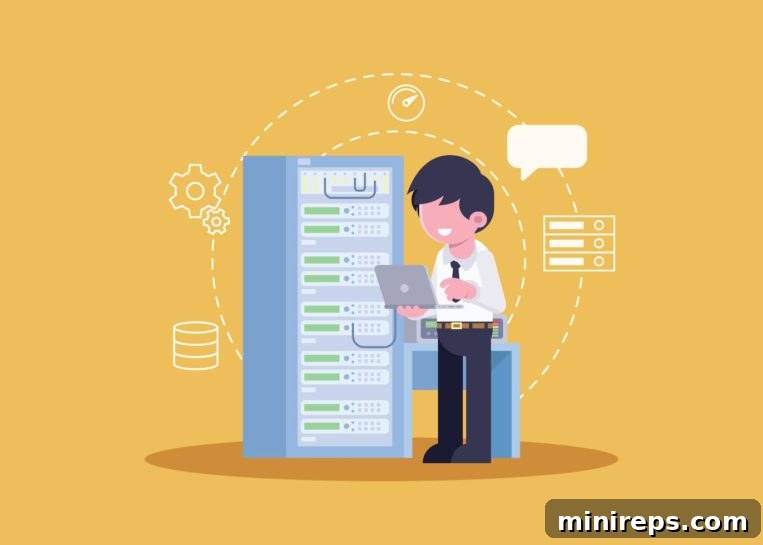
The notion that some of the world’s largest and most technologically advanced companies could experience a complete service blackout for over a full day is genuinely astonishing. If a giant like Facebook can falter so significantly, what does this imply for small and medium-sized businesses that rely on digital presence? The answer is clear: proactive measures are essential. Investing in robust web hosting solutions that guarantee high uptime is paramount. For instance, many premium hosting providers offer a 99.99% uptime guarantee, ensuring your website remains operational almost constantly. Furthermore, advanced features like content delivery networks (CDNs) and static backups mean that even if your primary server encounters an issue, a cached version of your site can still be displayed to users, preventing any disruption to their experience. During the recent social media shutdown, millions of users were desperately seeking alternative online engagement. Imagine if your business website had been that reliable, fully operational beacon, ready to serve and interact with them. This continuous availability protects your brand reputation, prevents lost sales, and solidifies customer trust, making your website an indispensable asset for business continuity.
How to achieve this:
- Choose reliable Web Hosting, Cloud Hosting, or a Dedicated Server based on your business needs.
The Instagram shutdown served as a powerful, if inconvenient, reminder of the critical importance of digital independence. Don’t let your business be vulnerable to the whims of third-party platforms. Build a robust, resilient online presence that you control. Make sure your business is prepared not just to survive, but to thrive, even amidst a global social media outage. Get started with your own business websitetoday and safeguard your future!