


In the vast and ever-evolving landscape of the internet, a clever domain name can be a powerful asset, setting a brand apart and enhancing its online identity. One of the most ingenious ways to achieve this is through a practice known as a domain hack. A domain hack occurs when a top-level domain (TLD), especially a country code top-level domain (ccTLD), is creatively repurposed for a meaning beyond its original geographical or technical designation. These inventive uses often result in memorable, brandable, and highly specific web addresses that resonate deeply with target audiences.
Throughout the history of the internet, we’ve witnessed numerous examples of successful domain hacks that have transformed obscure country codes into industry-specific powerhouses. For instance, the .ai domain, originally designated for Anguilla, has become the de facto online address for businesses and innovators in the burgeoning field of artificial intelligence. Similarly, the .io domain, belonging to the British Indian Ocean Territory, is widely adopted by tech companies and startups for its resemblance to “input/output,” a fundamental concept in computing. Even .ar, the ccTLD for Argentina, has found a niche among augmented reality ventures seeking a distinctive online presence.
While industry-specific repurposing of ccTLDs is well-documented, a less common but increasingly significant trend is emerging: the adoption of a country domain as an alternative regional domain ending. This shift represents a dynamic evolution in how businesses strategically position themselves online. Following a period of unprecedented digital acceleration and global connectivity, new possibilities for domain usage are continually being explored. Among these, the growing number of .me domain registrations from businesses across the Middle East stands out, hinting at what could be the next major domain trend. This strategic pivot transforms .me from a personal identifier into a regional beacon, offering a unique opportunity for brands to connect with a massive and rapidly growing market.
Understanding the .ME Domain: From Montenegro to the Middle East
The .me domain was originally established as the country code top-level domain for Montenegro, a small Balkan nation with a population of just over 600,000 people. Despite its humble origins, the .me domain quickly carved out a distinctive identity for itself. Its inherent linguistic appeal, translating to “me” in English, made it an immediate favorite for individuals, bloggers, freelancers, and businesses looking to create a personalized online presence. It became a go-to choice for websites seeking to emphasize individuality, personal branding, or a direct connection with the user, effectively making a name for itself far beyond Montenegro’s borders.
However, the narrative surrounding the .me domain is undergoing a fascinating transformation. While its personal branding utility remains strong, a new, compelling use case is rapidly gaining traction. The Middle East, in stark contrast to Montenegro’s modest population, is a vast region boasting over 400 million inhabitants. This massive demographic represents an enormous, digitally savvy, and economically vibrant market. The sheer scale and growth potential of the Middle East make it an incredibly attractive target for businesses, from global corporations to local startups.
It is not a leap of faith to imagine that businesses and internet users across the Middle East are beginning to recognize the strategic value of .me as a regional identifier. The phonetics of “ME” align perfectly with “Middle East,” creating an intuitive and memorable association. This subtle linguistic connection, combined with the domain’s established reputation for clear, concise branding, positions .me as an ideal choice for companies aiming to consolidate their presence or launch new initiatives within this expansive region. This organic shift could significantly alter the momentum behind .me, gradually moving its primary perceived association from Europe to the Middle East, thereby unlocking a wealth of new opportunities for digital growth and regional branding.
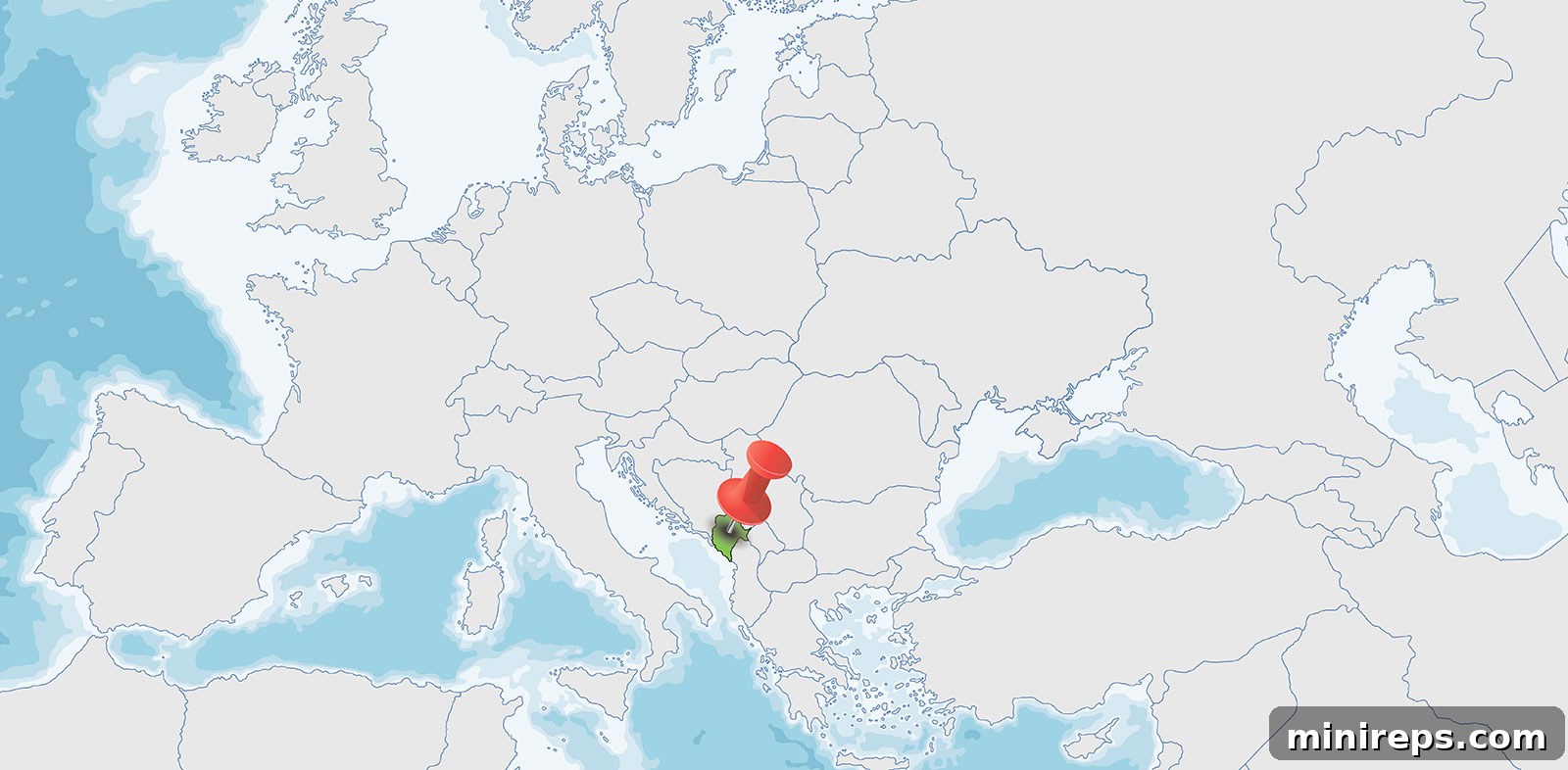
The Strategic Adoption of .ME in the Middle East
The concept of regional domains is not new; it has proven highly effective in bridging geographical and cultural divides online. For example, .ASIA serves as a comprehensive online hub for businesses targeting Asian audiences, while .EU is the preferred domain extension for entities operating within the European Union, fostering a sense of regional unity and accessibility. Similarly, there is a clear and growing organic need for businesses and content creators operating in the diverse and dynamic Middle East region to establish a cohesive online presence that addresses larger audiences and showcases their ability to operate regionally rather than being confined to local country-specific domains.
Enter .me – the ccTLD for Montenegro, now brilliantly repurposed to meet this exact demand. Loved for its inherent ability to highlight a personal connection between businesses and their customers, the .me domain is increasingly being embraced by organizations across the Middle East seeking to establish a strong, unified regional identity. Its short, memorable nature and clear association with “Middle East” make it an unparalleled choice for brands aiming for broad regional appeal.
Today, some of the world’s most recognizable brands, alongside innovative local ventures, have made .me their digital home in the Middle East. Fast-food giants like KFC, with its regional presence at www.kfc.me, and Pizza Hut, accessible via www.pizzahut.me, leverage the domain to cater to diverse palettes across the region, often featuring localized menus and promotions. High-fashion powerhouse Vogue also uses en.vogue.me to curate content specifically for its Middle Eastern readership, reflecting regional fashion trends, cultural influences, and local events. These examples underscore how major players are strategically utilizing .me to establish a singular, identifiable online presence for their Middle Eastern operations, streamlining their marketing efforts and enhancing brand recognition across multiple countries.
Beyond these global brands, the .me domain is also empowering regional businesses and platforms to connect with their audiences effectively:
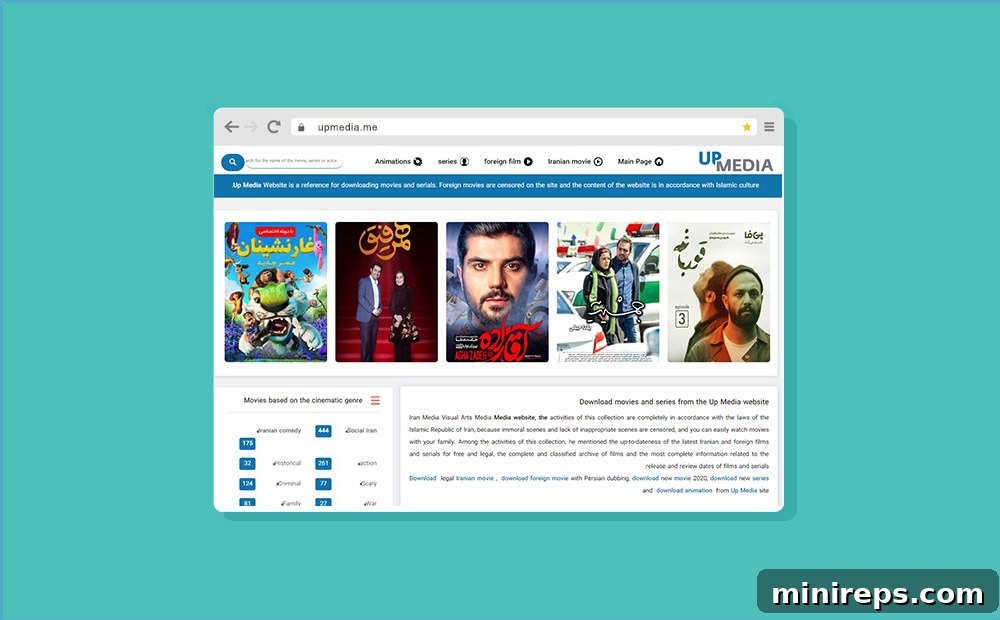
Upmedia.me serves as a dedicated platform for downloading movies and serials, carefully curated to align with Islamic cultural values. This showcases the domain’s utility for niche content providers targeting specific cultural segments within the region.
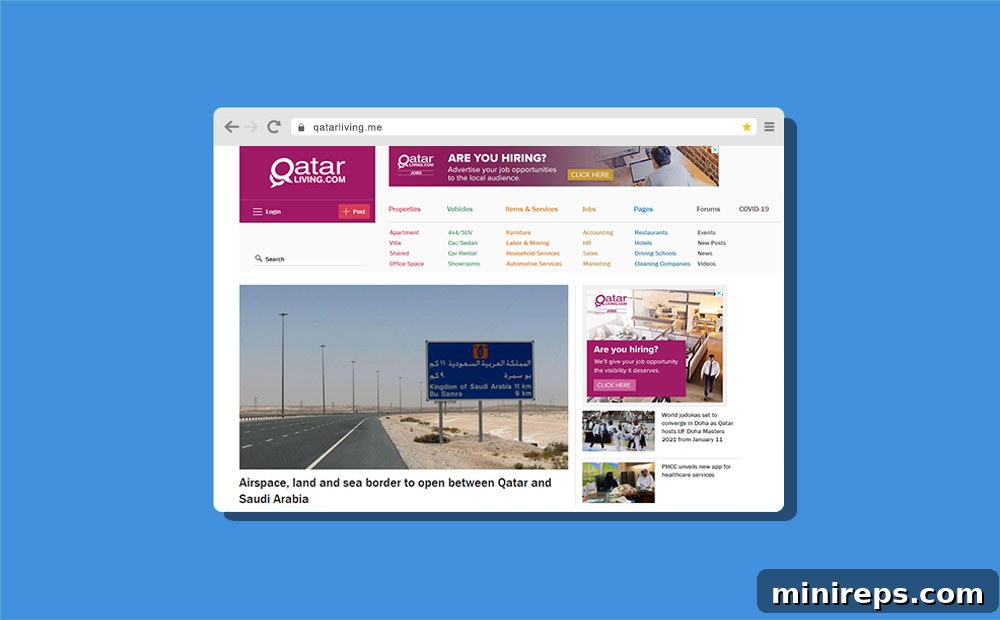
QatarLiving.me, while forwarding to their main site, exemplifies the use of .me for a major community portal. It offers a comprehensive resource for everything Qatar, including properties, vehicles, services, and jobs, demonstrating its versatility for platforms serving expatriate and local communities with essential information.
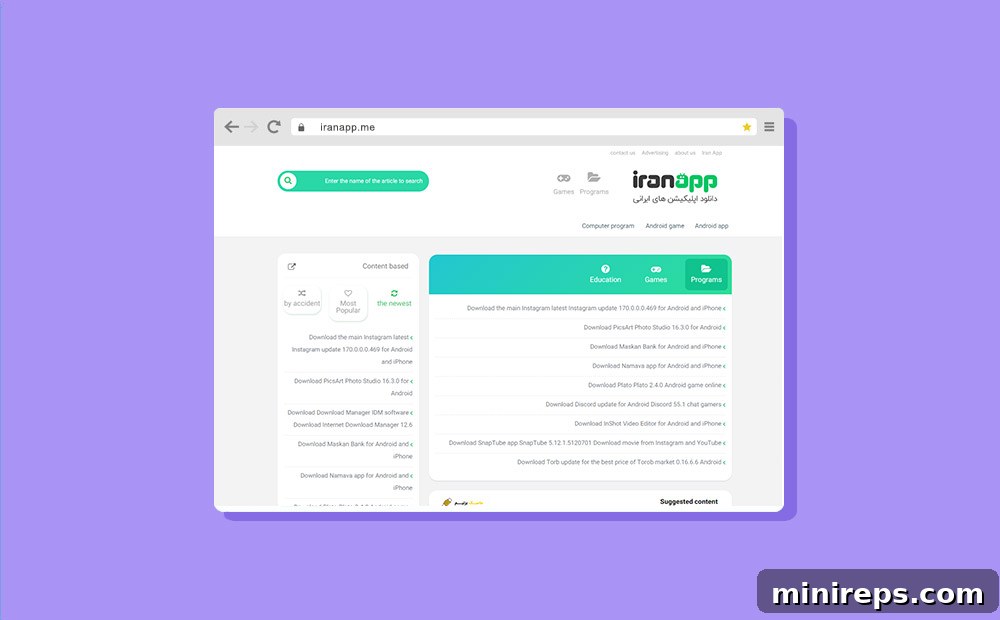
Iranapp.me provides the latest versions of both Iranian and international applications online. This illustrates how .me can be used by technology aggregators and software providers to serve a tech-hungry regional audience, ensuring access to relevant digital tools and services.
These examples collectively highlight the multifaceted application of the .me domain across various sectors in the Middle East. Its flexibility allows global brands to localize their presence, while regional platforms can establish a stronger, more unified identity, fostering a sense of belonging and relevance for their vast audience.
Registering Your .ME Domain: What You Need to Know
When considering a country code domain for your online presence, potential registrants often face stringent requirements. Many ccTLDs necessitate documentation proving a physical presence or citizenship within the respective country, creating barriers to entry for international businesses and individuals. This can complicate the registration process and limit the accessibility of potentially valuable domain names.
However, one of the most significant advantages of the .me domain, especially for its growing adoption in the Middle East, is its remarkably open registration policy. There are absolutely no residency requirements or special documentation needed to register a .me domain name. This ease of access is a critical factor in its increasing popularity and strategic repurposing. It means that businesses, entrepreneurs, and individuals from anywhere in the world can secure a short, memorable, and highly brandable domain name that resonates with the Middle East market, all without bureaucratic hurdles.
The opportunity to acquire a distinctive .me domain at an amazing price point is a powerful incentive. A well-chosen .me domain can significantly enhance your brand’s appeal, memorability, and SEO performance within the Middle East, making it easier for customers to find and remember your website. Given the rapidly expanding digital economy and the increasing recognition of .me as a regional identifier, the most desirable names are being claimed quickly. Therefore, acting swiftly is crucial. Securing your preferred .me domain now ensures you don’t miss out on a valuable digital asset that can serve as the cornerstone of your regional online strategy. It’s a chance to establish an early foothold in a lucrative market with a domain name that communicates relevance and accessibility.
Search .me domains