

The Irreversible Digital Shift: How Technology Has Transformed Our Offline Lives
In an era defined by rapid technological advancement, the lines between our physical and digital worlds have blurred to an unprecedented degree. What was once purely an offline endeavor has been seamlessly integrated, and often entirely replaced, by online solutions. It’s difficult, if not impossible, to imagine navigating many aspects of modern life without the omnipresent influence of the internet. This profound digital transformation isn’t merely a convenience; it’s a fundamental restructuring of how we interact, transact, and discover, making an online presence not just an advantage, but an absolute necessity for individuals and businesses alike.
The speed and scale of this shift are astonishing. Activities that were once time-consuming, geographically limited, and often inefficient have been streamlined, globalized, and made accessible at our fingertips. From the mundane to the momentous, technology has rewritten the rulebook, ushering in an era of unparalleled connectivity and efficiency. Let’s delve into specific areas where this digital takeover has been most evident, demonstrating how our daily routines have been permanently altered and why embracing the digital realm is no longer optional but imperative for modern relevance.
The Evolution of Job Searching: From Pounding Pavement to Digital Portfolios
Cast your mind back not so long ago, to a time when embarking on a job hunt meant a very different kind of grind. The ritual involved donning your sharpest, often uncomfortable, professional attire and physically venturing from one storefront to another, or from corporate office to industrial park. You’d spend hours filling out meticulous paper applications, often duplicating information, and hand-delivering meticulously printed resumes, hoping to catch the eye of a hiring manager. The process was exhausting, limited by geographical proximity, and offered little in the way of immediate feedback or broad reach. You were essentially begging for an opportunity, with each unsolicited visit a roll of the dice, and the results were often meager for the effort expended.
Today, the landscape of job searching has undergone a complete metamorphosis. Attempt to apply for a position in person at most modern companies, and you’ll likely be met with a polite but firm directive: “Please apply online.” This isn’t a dismissal; it’s an acknowledgment of the prevailing digital standard. The internet has democratized and streamlined the entire recruitment process, transforming it from a localized, in-person ordeal into a global, accessible endeavor. Prospective employees can now meticulously craft digital profiles, upload dynamic resumes and cover letters tailored for specific roles, and apply for hundreds of positions across various industries and continents, all from the comfort of their home, often still in their pajamas.
A plethora of online resources now serves as the backbone of modern job seeking. Professional networking platforms like LinkedIn have become indispensable, allowing individuals to build extensive professional networks, showcase their skills through digital portfolios, obtain endorsements from colleagues, and connect directly with recruiters and hiring managers. Specialized job-placement services and sophisticated job-search engines such as ZipRecruiter, Indeed, Monster, and Glassdoor aggregate millions of listings, often utilizing advanced algorithms to match candidates with suitable roles based on keywords, experience, and location. These platforms not only offer vast databases of opportunities but also provide invaluable insights into company cultures, salary expectations, and interview processes through anonymous employee reviews.
The preparatory work for a job search, once a logistical nightmare, is now easily managed. Candidates can research companies thoroughly, refine their digital resumes to pass Applicant Tracking Systems (ATS), and even participate in virtual interviews, all without leaving their desks. This efficiency extends beyond the applicant; employers benefit from a wider talent pool, automated screening processes, and the ability to conduct global searches, making the offline job hunt an increasingly antiquated concept. The expectation for a strong online professional presence is now standard, signifying a permanent shift in how careers are forged and advanced in the digital age.
The Demise of Print Directories: Navigating the World with Digital Guides
For many, the iconic Yellow Pages evokes a distinct sense of nostalgia: a massive, often cumbersome, yellow book usually relegated to the top of the refrigerator or tucked away in a utility drawer. It was the go-to reference for finding local businesses, from plumbers to pizza places, and required a certain physical effort to consult. My own childhood memories are filled with climbing onto furniture to retrieve it whenever my mom needed to look something up. While these directories served their purpose admirably for decades, their limitations – outdated information, static listings, and lack of dynamic engagement – ultimately paved the way for their digital successors.
Today, the task of finding local services, exploring dining options, or even making life’s more important decisions, like choosing a new dentist, is made immeasurably simpler and more powerful by platforms like Yelp, Google Maps, and TripAdvisor. These aren’t just directories; they are vibrant, community-driven ecosystems where businesses are listed, reviewed, and rated by actual customers. The beauty of these platforms lies in their real-time nature and the wealth of user-generated content. Instead of a single, static entry, you get access to countless reviews, star ratings, vivid photographs, operating hours, menus, and even direct booking options. This transparent, peer-driven information empowers consumers to make highly informed decisions, far beyond what any print directory could ever offer.
Consider a common modern dilemma: deciding where to go for lunch, or more specifically, what to order. There’s a widely acknowledged, if unofficial, condition known as “order envy” – that pang of regret when someone else’s dish looks infinitely more appealing than your own. Thanks to platforms like Yelp, with their extensive photo galleries of food, detailed descriptions, and helpful tips, this serious condition can often be prevented. Users share images of their meals, providing visual confirmation that helps diners make informed choices before they even arrive at the restaurant, significantly reducing the chances of post-order remorse and enhancing the overall dining experience.
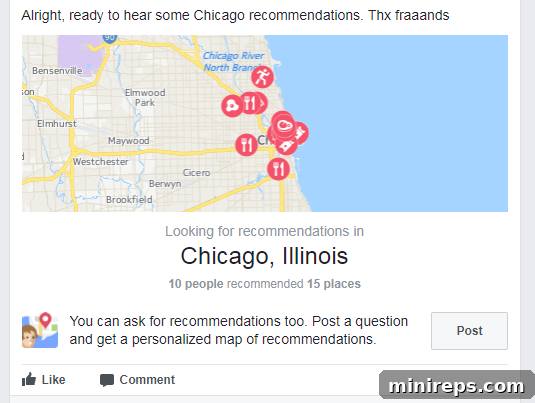
Beyond dedicated review sites, social media platforms have also stepped in to fill the void left by print directories. Facebook’s recommendations feature, for instance, leverages the power of personal networks and social proof. When you ask for a recommendation for a mechanic or a hairdresser, your friends and family – people whose opinions you inherently trust – are quick to offer their suggestions, often accompanied by glowing reviews and personal anecdotes. This taps into fundamental human desires:
- People love to share their opinions and experiences.
- They enjoy talking about themselves and their discoveries.
- They feel valued and helpful when their input is sought and appreciated.
Test it out yourself; a post requesting a local recommendation will likely be one of your most engaging and popular updates. The collective intelligence of the internet, fueled by millions of user contributions, has rendered the bulky, static print directory obsolete, replacing it with dynamic, interactive, and constantly updated digital alternatives that empower consumers with unparalleled information and choice, influencing everything from daily errands to major life purchases.
The Silver Screen Goes Digital: From Blockbuster Nights to Streaming Marathons
If there’s one offline activity that many truly lament the loss of, it’s the ritual of renting a movie. There was a unique charm to the Blockbuster experience: the fluorescent lighting, the smell of popcorn, the excitement of strolling down aisles filled with countless VHS tapes and DVDs, carefully scrutinizing cover art and synopses. The communal aspect was undeniable – bumping into neighbors, debating movie choices with friends, and the agonizing decision of whether to risk a late fee for an extra day of viewing pleasure. While a few vestiges like Redbox kiosks offer a physical/digital hybrid, they lack the human element and expansive selection that made the video store a beloved weekend destination. The closure of Blockbuster marked the end of an era, a poignant symbol of technological disruption and changing consumer habits.
The advent of streaming services like Netflix, Hulu, Amazon Prime Video, and Disney+ didn’t just put Blockbuster out of business; it fundamentally reshaped the entire entertainment industry. The shift from physical media and scheduled television to on-demand digital content has been nothing short of revolutionary. Consumers now have access to vast libraries of films and TV shows at their fingertips, available anytime, anywhere, on virtually any device. This unparalleled convenience eliminated the need for travel, fixed viewing schedules, and the dreaded late fee, making the physical act of renting a movie seem archaic and inefficient in comparison to the instant gratification offered by streaming.
Netflix, in particular, pioneered this transformation. Starting as a DVD-by-mail service, it sagely pivoted to streaming and then made its boldest move yet: investing heavily in original content. When Netflix released its first critically acclaimed, self-produced TV series, “House of Cards,” the ripple effect sent shockwaves through the traditional Hollywood studios. Major production companies, once complacent in their established distribution models, realized they were facing an existential threat. The streaming giants weren’t just distributing content; they were creating it, bypassing traditional gatekeepers, and attracting enormous audiences directly. This move empowered Netflix to control its narrative, secure exclusive content, and build a subscriber base that dwarfed many legacy media companies.
Today, the list of Netflix Originals is ever-growing, encompassing everything from blockbuster films to award-winning documentaries and addictive series. This trend has compelled virtually every major media conglomerate to launch its own streaming service, leading to a fragmented but highly competitive market. The implication is clear: traditional content producers and distributors, like Time Warner (now Warner Bros. Discovery) with its vast film archives and television networks, must continually innovate their digital strategies or risk becoming the “next Blockbuster” – a once-dominant entity rendered obsolete by changing consumer habits and technological advancements. The future of film and television is undeniably digital, driven by subscriber models, personalized recommendations, and the relentless pursuit of original, captivating content that can be consumed on-demand.
The Undeniable Imperative: Building an Online Presence in a Digital World
The stories of Blockbuster and the Yellow Pages are not isolated incidents; they are stark illustrations of a broader phenomenon. It’s often said that millennials are “killing” industries, but perhaps more accurately, they are accelerating the adoption of digital alternatives and demanding a level of convenience and accessibility that traditional models simply cannot provide. The underlying truth is that in the modern economy, the concept of a purely offline brand is increasingly untenable. To thrive, or even survive, in today’s interconnected world, every business, individual, and organization absolutely needs a robust and well-maintained online presence.
This isn’t merely about having a website; it’s about cultivating a comprehensive digital footprint that encompasses various platforms and strategies. It means establishing a professional website that serves as a central hub for information and transactions. It involves engaging actively on relevant social media channels to connect with customers, build community, and manage brand reputation effectively. It requires optimizing for search engines (SEO) to ensure visibility when potential customers are actively searching for products or services online. Furthermore, it includes managing online reviews, participating in digital advertising, leveraging email marketing, and often developing mobile applications – all components that contribute to a holistic and impactful digital strategy.
The journey into this essential digital realm begins with two foundational elements: a compelling idea and a strategic domain name. A great idea forms the core of any successful venture, but in the digital age, that idea needs a home, an identity, and a clear path to discovery. A well-conceived business idea coupled with a memorable and relevant domain name (your unique address on the internet) provides the critical first step. This domain becomes your brand’s digital storefront, its virtual headquarters, and the primary gateway for customers to find, interact with, and ultimately engage with your offerings, shaping perceptions and driving success in a competitive online landscape.
In conclusion, the internet has transcended its initial role as a mere tool to become an integral, indispensable layer of human existence and commerce. From securing employment and discovering local businesses to enjoying entertainment, our offline lives have been profoundly and irreversibly shaped by digital innovation. Embracing this reality and strategically building an online presence is no longer an option but a prerequisite for relevance and success in the 21st century. The digital tide has turned, and those who adapt will continue to ride its powerful wave forward, while those who resist risk being left behind in an increasingly interconnected world.