

In today’s interconnected digital landscape, the significance of social media in business has profoundly evolved. No longer just a promotional tool, it now acts as a crucial bridge between customer service, marketing, and public relations. Social media has undeniably become a primary avenue and an essential extension of customer support. This shift is largely driven by evolving consumer behavior; customers find it far easier and often more effective to reach out to brands via comments, tweets, and direct messages than through traditional channels like phone calls or emails.
This accessibility, while beneficial, has also inadvertently taught customers that public complaints on social channels often yield faster and more immediate attention. While this can lead to quick resolutions for genuine issues, it also creates an environment where negative feedback can escalate rapidly. Unfortunately, this public forum also inevitably attracts a less constructive element: online trolls. These individuals pose a unique challenge for businesses striving to maintain a stellar brand reputation and deliver exceptional social media customer service.

1. Understanding the Landscape: How to Spot Online Trolls
Navigating the sea of online interactions requires a discerning eye. It’s tempting to want to engage every negative comment, hoping to transform a critic into a champion. However, when it comes to online trolls, this often proves to be a futile endeavor. Just as one might try to “change” a difficult individual in real life, a true troll is unlikely to be swayed by logic or empathy. Distinguishing between a genuinely unsatisfied customer and an online troll is a critical skill for any social media management team, directly impacting effective digital customer care and crisis management.
Differentiating Trolls from Disappointed Customers
The key difference lies in their intent and the nature of their communication. Online trolls typically operate with extreme vagueness in their complaints. Their comments often lack specific details about a product, service, or experience. They might use broad generalizations, inflammatory language, or simply seek to provoke a reaction. Their goal isn’t resolution, but rather attention, disruption, or an audience for their negativity.
Conversely, a genuinely dissatisfied customer has a specific problem or experience they find disconcerting. They can usually articulate what went wrong, when it happened, and how it affected them. Their communication, while potentially frustrated, is driven by a desire for a solution, an answer, or an acknowledgment of their issue. They expect a concrete resolution, not just a platform for grievance. Understanding this distinction is paramount for maintaining positive customer engagement and safeguarding your brand’s image.
Training your social media team to identify these nuances is essential. Look for red flags such as accounts with very few followers or posts, a history of similar vague or aggressive comments on other brands’ pages, or an immediate refusal to move the conversation to a private channel for resolution. Genuine customers are usually open to having their specific issue addressed directly and efficiently.
2. Strategic Engagement: When and How to Respond to Online Negativity
Social media grants everyone a platform, which can sometimes transform routine customer support into a public spectacle. Due to this highly visible setting, extreme caution is necessary when engaging with a troll. Your response, or lack thereof, will be witnessed by potentially hundreds, or even hundreds of thousands, of people. This is precisely where effective marketing and public relations strategies intersect with customer service. You need a team member who is not only skilled with words but also experienced in diffusing tense situations, showcasing your brand’s true character and commitment to social customer care.
Different Approaches to Responding
There are several strategic ways to approach a troll, each with its own considerations:
- You Can Ignore Them (But Do So Wisely)
- You Can Reply with Tasteful Humor
- You Can Respond with Facts and Data
Sometimes, from the very outset, you’ll recognize a comment as a hopeless cause – purely designed to provoke rather than seek help. In such instances, ignoring the troll can be the most effective strategy, preventing them from achieving their desired attention. It’s crucial, however, not to block or remove comments from trolls unless their content is hateful, contains threats, spreads misinformation, or is specifically directed in a harmful way towards your other customers. While you have every right to block or ban persistent trolls from future interaction with your brand, especially if their behavior is consistently disruptive or malicious, careful judgment is required. Indiscriminate blocking can sometimes fuel further negativity or accusations of censorship.
The operative word here is tasteful. If you opt for the humor route, always bear in mind that what one person finds funny, another might find offensive. Therefore, keep your responses light, playful, and universally amusing. The goal is to disarm the situation, not to escalate it or alienate your audience. This approach can be particularly effective in showcasing your brand’s personality and wit, turning a potential negative into a memorable positive interaction. Memes, when used appropriately and with cultural sensitivity, can be highly effective in this context:

Nothing can beat objective, verifiable facts when faced with baseless accusations or misrepresentations. Providing clear, concise, and accurate information can effectively debunk false claims and demonstrate your brand’s transparency and commitment to truth. This strategy is particularly powerful when dealing with misinformation spread by trolls. It shows your audience that you are well-informed and confident in your offerings. However, ensure that the facts are presented calmly and without condescension, to avoid appearing defensive.
The Golden Rule of Social Customer Service: Jay Baer’s Principle
Regardless of the chosen response strategy, it’s vital to adhere to established best practices. One of the most important principles for effective social customer service comes from Jay Baer, a renowned expert in customer experience:
“Never ever respond to a customer more than twice in public. Because it’s A. a waste of time and B. it’s very easy to get sucked into a vortex of negativity.”
This rule is akin to other life guidelines we implicitly follow, like Ted’s rule from How I Met Your Mother, which humorously illustrates the wisdom of setting boundaries.
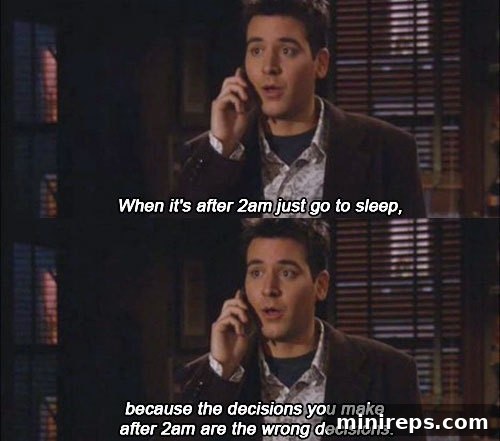
The essence of this rule is to initiate the conversation on social media but then swiftly transition to a private channel—such as email or phone—for a resolution. This serves multiple purposes: it demonstrates your willingness to help, protects your brand from prolonged public negativity, and allows for a more personalized and efficient resolution process. If the complainant or troll is unwilling to move the conversation to a private channel, you have done all you reasonably can. Trust this rule; live by this rule! It’s a critical component of effective social media crisis management and maintaining a healthy online presence.
Don’t Feed the Trolls: Understanding Their Motives
To effectively manage trolls, it’s crucial to understand their underlying motivations. Trolls often seek attention, validation for their negativity, or simply enjoyment from disrupting online communities. By engaging endlessly in public, you are essentially “feeding” them the attention they crave, thereby reinforcing their behavior. Moving to a private channel, or disengaging when appropriate, starves them of this fuel. This disciplined approach not only saves valuable time and resources for your customer service team but also prevents the conversation from spiraling into a harmful public spectacle that can detract from your brand’s image and positive brand advocacy efforts.
3. Leveraging Humor and Wit: Strategic “Trolling” Campaigns
While dealing with individual trolls requires caution, the concept of “trolling” can, in specific contexts, be strategically deployed by brands. Brand-on-brand trolling campaigns, when executed masterfully and with good humor, can generate significant buzz and even go viral. However, this is a high-risk, high-reward strategy that demands careful consideration, as a misstep can easily lead to severe backlash and damage to your brand reputation.
The Art of Playful Brand Banter
The success of brand-on-brand “trolling” hinges on a few key factors: it must be lighthearted, clearly understood as playful banter, and ideally, mutually beneficial for both parties involved. When brands engage in good-natured jabs, it can entertain audiences, demonstrate brand personality, and significantly boost customer engagement. It works best when both brands are “in on the joke” or when the target brand can respond in kind, creating a fun, interactive narrative for their shared audience.
Here is an excellent example of a brand that perfectly executed this delicate balance:
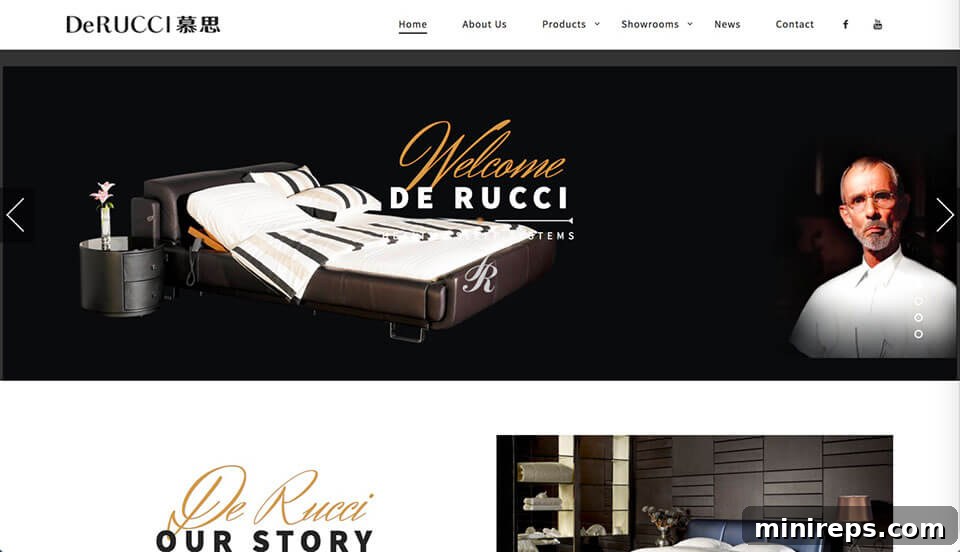
Koala, an Australian mattress company, is renowned for its incredibly effective social media marketing strategy. They literally built their thriving business on it. Koala famously ‘trolled’ competitor mattress company De Rucci with a brilliantly humorous billboard ad that captivated social media users and quickly went viral.
Consider De Rucci’s website homepage:
Now, observe Koala’s ingenious mockery in their advertisement:
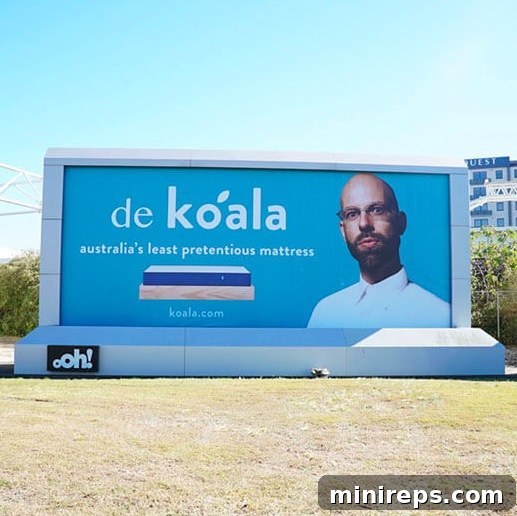
Photo Credit: koala online trolls on adnews.com.au
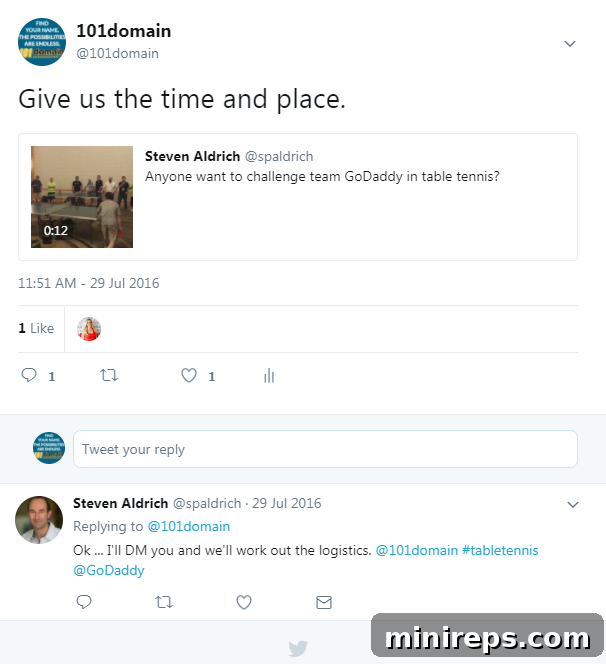
This type of engagement, where brands playfully go back and forth with lighthearted tweets and posts, can generate significant beneficial coverage for all parties involved. It’s a testament to the power of creativity and knowing your audience in the realm of social media marketing strategy.
We are still eagerly awaiting this epic match to take place. 😎
Building a Resilient Social Media Presence
Ultimately, a successful social media strategy hinges on your ability to discern between a genuine opportunity to convert a dissatisfied customer into a brand advocate and merely being subjected to a troll’s antics. This discernment is not just about avoiding negativity, but about proactively cultivating a positive brand image.
The single most critical factor in effective social customer care is to show up. Silence or a complete lack of response communicates to customers that you simply don’t care enough to engage with their feedback, positive or negative. This perception can severely damage trust and loyalty, pushing customers towards competitors who demonstrate a stronger commitment to digital customer care. Even a simple acknowledgment can go a long way in validating a customer’s experience and making them feel heard.
At 101domain.com, we are continuously working to enhance our social customer care initiatives, understanding its profound impact on our brand and our community. We strongly urge all brands, particularly small businesses with limited resources, to prioritize and invest significantly in their social customer care strategies. In an age where customer voices are amplified, a proactive, empathetic, and strategic approach to social media interactions is not just good practice—it’s essential for survival and growth.
By effectively managing online negativity, embracing strategic engagement, and consistently demonstrating that you value your customers, businesses can transform social media from a potential minefield into a powerful engine for building brand loyalty and fostering a thriving online community. Remember, every interaction is an opportunity to reinforce your brand’s values and strengthen its position in the market.