


In today’s interconnected digital landscape, the security of your brand’s website isn’t just a best practice – it’s an absolute necessity. The internet is rife with sophisticated threats, and a single vulnerability can compromise everything from your customer data to your brand’s hard-earned reputation. Cybercriminals constantly devise new methods, whether through insidious email phishing campaigns targeting your clientele or by intercepting private information transmitted via your website. For any online business, safeguarding sensitive data is paramount, and this imperative is precisely why Google mandates SSL certificates across its domains, ensuring that the connection between a user’s browser and your web server is always robustly encrypted.
SSL Certificates Are Indispensable for Google Domains and Beyond
Google has emerged as a leading advocate for a more secure internet, actively championing the widespread adoption of HTTPS. This initiative is not merely a recommendation; it’s a fundamental shift in how web security is perceived and implemented. Websites that continue to operate without a secure HTTPS connection are unequivocally flagged as ‘Not Secure’ by popular browsers like Google Chrome. This prominent warning, displayed directly in the URL bar for all HTTP websites, serves as a significant deterrent to users, eroding trust and potentially driving away valuable traffic. It’s this unwavering commitment to user safety and data privacy that makes SSL certificates an essential requirement for websites operating under various Google-managed domains and general web presence.
An SSL (Secure Sockets Layer) certificate, or its more modern successor TLS (Transport Layer Security), establishes an encrypted link between a web server and a client browser. This encryption is vital for protecting a wide array of sensitive information transmitted online, making it unreadable to unauthorized parties. The absence of an SSL certificate leaves this data vulnerable to interception by malicious actors, posing a significant risk to both businesses and their customers.
Specifically, SSL Certificates are crucial for safeguarding sensitive information such as:
- Financial transaction and bank account details
- Credit card and debit card information
- Usernames, passwords, and other login credentials
- Personal contact information (names, addresses, phone numbers)
- Search bar history and browsing data
- Proprietary business data and intellectual property
- Medical records and other highly private data
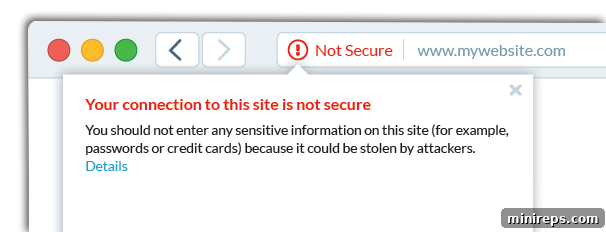
The encryption provided by SSL certificates isn’t just about preventing data interception; it also verifies the authenticity of your website, assuring visitors that they are communicating with the legitimate server and not a fraudulent imitation. This dual benefit of data integrity and authentication is fundamental to building and maintaining user trust in the digital realm. Furthermore, HTTPS has become a confirmed SEO ranking signal, meaning secure websites are favored by Google’s algorithms, potentially leading to improved search engine visibility and higher organic traffic. Therefore, migrating to HTTPS with an SSL certificate is not only a security imperative but also a strategic advantage for any website aiming to succeed online.
Navigating SSL Certificate Requirements for Google Domains
Domain registry companies play a pivotal role in governing the internet’s structure by creating top-level domains (TLDs) and establishing specific rules for their usage. To ensure these domains uphold their intended mission and maintain a secure and trustworthy environment, registries often develop stringent registration and operational requirements. These requirements can range from technical specifications to identity verification processes, all designed to safeguard the integrity of the domain space.
For instance, to register a .bot domain, Amazon mandates that your bot application be built using one of their approved preferred bot builders, ensuring a certain level of functionality and security. Similarly, .bank domains are subject to an extensive verification process, which includes strict security criteria that must be met by all .bank websites. These rigorous standards are in place to protect highly sensitive financial information and maintain public confidence in banking services offered through these specialized domains. This trend highlights a broader industry movement towards making security a prerequisite for domain functionality.
Google, a major player in shaping the internet’s future, is not only on a mission to secure the entire web but is also heavily invested in some of the most innovative new technology TLDs. A clear and consistent trend observed across all new Google-managed TLDs is the mandatory requirement for HTTPS to ensure correct functionality in modern web browsers. This means that for any website utilizing these Google-specific domains, an SSL certificate is absolutely necessary to establish a secure HTTPS connection. While many of these new Google domains are “unrestricted” in the sense that anyone can register one, your website simply will not properly load or propagate across the internet unless you fully comply with the SSL requirements set for these particular Google domains.
Similar to other high-security or specialized TLDs, Google domains such as .dev necessitate SSL certificates for their websites. Google explicitly trusts all of the reputable SSL certificates we provide, making any of them acceptable for securing a .dev website. This ensures that developers can build, test, and deploy applications in a secure environment from the ground up, promoting best practices in web development.
Exploring App Engine, the .app Domain, and SSL Synergy
The journey from Google App Engine to the .app domain is a fascinating testament to Google’s long-term vision for web development and security. Google App Engine, a robust platform designed to help developers build and host scalable web applications, predates the advent of the .app domain by many years. However, Google’s strategic foresight led them to fiercely bid for and ultimately acquire the rights to own and operate the .app domain when new generic Top-Level Domains (gTLDs) became available. This acquisition was a deliberate move to create a dedicated, secure, and easily discoverable online space for applications.
The primary goal for the .app domain is to provide a more secure and recognizable home for mobile and web applications, helping them get found online by users seeking legitimate and safe software. Given this explicit focus on application security and user trust, it comes as no surprise that, much like all other Google-managed domains, an SSL certificate is an absolute prerequisite for any .app website to function correctly and be visible to the public. Without SSL, an .app domain simply won’t resolve, demonstrating Google’s uncompromising stance on security for this application-centric TLD.
As the internet continues to evolve and more new TLDs are introduced in the future, we can confidently anticipate that a significant number of them will follow Google’s lead, requiring users to implement SSL for their domain names. This escalating demand for security is a direct response to a more informed and security-conscious user base, as well as the increasing sophistication of cyber threats. Consumers are becoming more aware of the risks associated with insecure websites, and their expectations for data privacy are growing. Furthermore, hackers are constantly refining their methods, making robust encryption more critical than ever.
The domain industry is witnessing a transformative shift where security is no longer an afterthought but a fundamental player in domain registration and usage. Soon, we expect many other registries to follow suit, making SSL certificates a mandatory requirement for their TLDs. Therefore, investing in your website’s security, particularly through the implementation of an SSL certificate, is not an expense but a critical investment in your brand’s future. It’s never too early to fortify your online presence, protect your users, and avoid the dreaded “Not Secure” browser warning. Make the proactive move to migrate your web properties to HTTPS today, securing your data, enhancing user trust, and future-proofing your digital footprint in an increasingly secure web environment.