

The landscape of digital branding is constantly evolving, with domain names playing a pivotal role in establishing an online presence. For years, the “.com” extension reigned supreme, but the introduction of new generic Top-Level Domains (gTLDs) has opened up a world of possibilities for businesses seeking unique, keyword-rich, and memorable web addresses. This shift, however, has not been without its skeptics. Many question the efficacy of new domain extensions, especially concerning their impact on Search Engine Optimization (SEO).
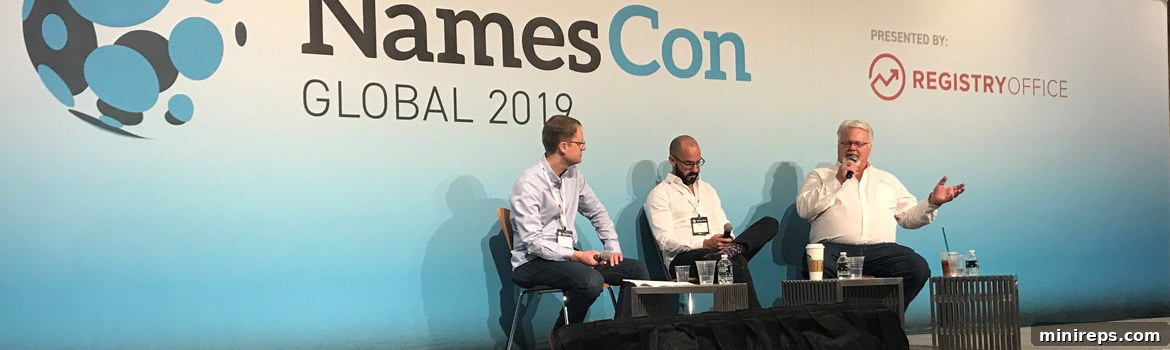
At NamesCon 2019 in Las Vegas, a premier event for the domain name industry, Andrew Allemann, a renowned figure in the domain world, conducted a compelling interview that directly addressed these concerns. He spoke with the proud owners of two record-breaking new domain name sales: Blake Janover of www.home.loans and Mike Kugler of www.vacation.rentals. Their insights provided invaluable perspectives on why they chose to invest significantly in these modern domain extensions and, more importantly, how these bold investments are yielding substantial returns today.
Unlocking Digital Potential: Are New Domain Extensions a Worthwhile Investment for SEO?
The question “Are new domain extensions worth it?” lingers in the minds of many business owners and digital marketers. While consumer awareness of these innovative domain endings has grown considerably over the past few years, a persistent stigma often surrounds them. Traditionalists argue that anything beyond “.com” lacks credibility or, worse, suffers from poor search engine visibility. However, pioneers like Blake Janover and Mike Kugler are actively dismantling these misconceptions, demonstrating undeniable success with their respective websites, www.home.loans and www.vacation.rentals.
Their experiences offer compelling evidence that new gTLDs are not just viable but can be powerful assets in a comprehensive digital strategy. These individuals, operating in distinct industries, share a common belief in the strategic advantage that a precise, keyword-rich domain name can offer. Let’s delve into their journeys and discover the unique insights that have propelled their success.
Case Study: Home.loans – Blake Janover’s Visionary Approach

Who: Blake Janover, a seasoned professional with a deep understanding of digital marketing and branding.
Experience with New Domain Extensions: Blake wasn’t new to the concept. He had previously achieved considerable success with other new domain endings, finding that he could rank these websites in search results with relative ease and speed. This prior positive experience fueled his confidence in investing in `home.loans`.
Why Home.loans? The Brand Story: For Blake, a domain name is far more than just an address; it’s an integral component of the brand’s narrative. He views the process of explaining what new gTLDs are to his customers as an opportunity to further articulate his brand’s forward-thinking, unique, and “new kid on the block” persona. The distinctiveness of `home.loans` perfectly aligns with his innovative brand identity, immediately communicating clarity and relevance to his audience.
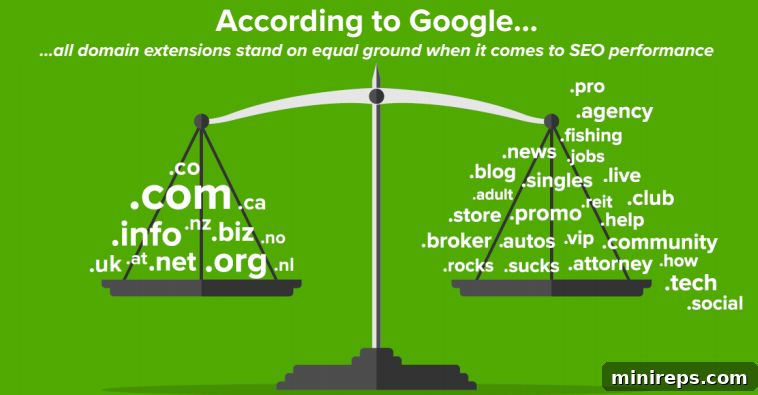
Perspective on SEO and User Experience: Blake firmly believes that when it comes to new domain extensions and SEO, the core principles revolve around user intent and user experience. He echoes Google’s long-standing declaration that “all domains are created equal” in the eyes of their search algorithms. The inherent advantage of new domain endings, particularly those that are keyword-rich like `home.loans`, is that a customer’s intent is immediately understood from the URL itself. This directness enhances user experience by setting clear expectations. Furthermore, for SEO purposes, the immediate keyword relevance in the URL, especially when mirrored in the H1 tags and title hierarchy, sends strong positive signals to search engines about the website’s content and relevance.
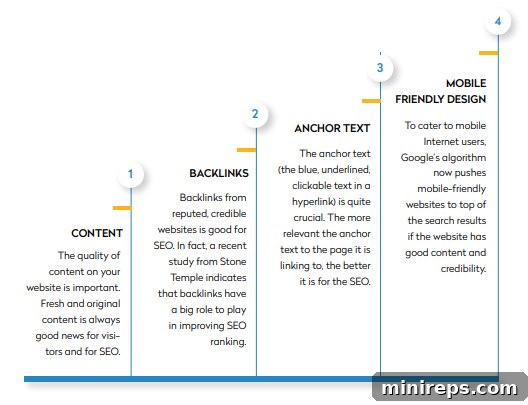
Tips for New Domain Entrepreneurs: Blake emphasizes that the foundation of high search rankings, regardless of the domain extension, is the creation of intent-based, high-quality, and unique content. He advises entrepreneurs to focus on building a robust, trustworthy online presence. This includes linking to authoritative and credible sources, ensuring the website is fully responsive across all devices, and maintaining a well-organized and intuitive site structure. By prioritizing these elements, businesses can effectively leverage new gTLDs to achieve superior search engine performance.
Case Study: Vacation.rentals – Mike Kugler’s Strategic Capture
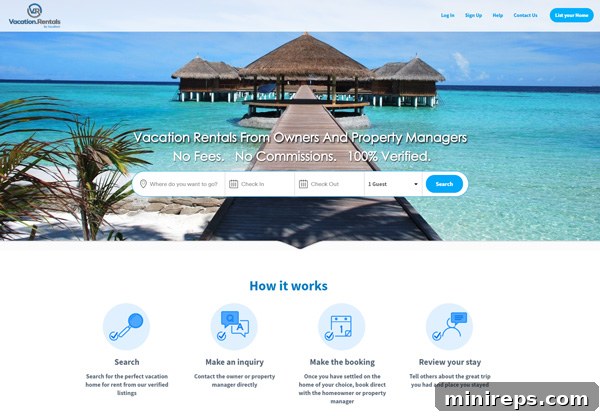
Who: Mike Kugler, an entrepreneur new to the world of specific new domain extensions but with a clear strategic vision.
Experience with New Domain Extensions: Unlike Blake, this was Mike’s inaugural venture into a new gTLD website. His lack of prior direct experience made his subsequent success even more remarkable and a testament to the intrinsic value of the domain itself.
Why Vacation.rentals? Seizing an Obvious Opportunity: Mike intuitively understood that when people think of “rentals” in a leisure context, their minds automatically gravitate towards “vacation.” He recognized that the highly coveted `vacationrentals.com` was long gone, making the new gTLD an irresistible opportunity. From the moment he first learned about the availability of new gTLDs, he knew that `vacation.rentals` was the perfect fit for his business. He patiently waited for its availability, demonstrating a keen foresight and strategic patience.
Perspective on SEO and Tangible Results: Mike admits there’s always more to learn about the intricate relationship between new domain extensions and SEO. However, the tangible results from both his and Blake’s websites serve as living proof that new gTLDs can not only survive but thrive in competitive online landscapes. Mike meticulously documented the performance of `vacation.rentals`, proudly showcasing its consistent presence on Google’s first page of search results for over ten months. This sustained top-tier ranking underscores his belief that the value proposition of new domain extensions is unequivocally clear. His investment in the `vacation.rentals` domain name has undoubtedly generated significant business, far exceeding the initial outlay and validating his strategic choice.
Tips for New Domain Entrepreneurs: Addressing User Perception: Mike’s practical advice centers on user education and clarity. When discussing his website with clients or strangers, he makes a point to always include “www” in the address, saying “www.vacation.rentals.” He observed that simply saying “vacation.rentals” often led customers to mistakenly assume the domain was “vacation.rentals.com,” highlighting a lingering user habit conditioned by decades of “.com” dominance. This simple communication strategy helps prevent confusion and ensures users navigate to the correct, branded online destination.
The Turning Point: New Domain Extensions Make a Splash in SEO by 2017
The first wave of new domain extensions was introduced to the market as early as 2012. Initially, these new gTLDs were perceived more as novelties or opportunities for brand protection rather than powerful SEO tools. Early adopters registered unique domain endings, often garnering headlines solely due to the celebrity or prominent brand associated with them, or simply for the sheer originality of the URL address. At this stage, new domain extensions were celebrated for their uniqueness, not necessarily their demonstrated productivity in terms of organic search performance.
However, a significant shift in perception and proven utility began around 2017. It was during this period that new domain extensions started to be recognized as truly useful tools for business websites. The pivotal moment arrived when the Domain Name Association (DNA), a leading industry body, undertook a comprehensive case study specifically focused on the impact of new domain endings on search engine optimization. The groundbreaking results of this study were instrumental in dispelling long-held myths. It found compelling evidence that new domain extensions could, in fact, offer a distinct advantage in search result rankings when compared to classic endings like .com.
This study directly challenged the widespread assumption that websites on new domains inherently struggle to rank well in organic search results. The very question it sought to answer was one that continues to resonate:
Are new domain extensions worth it?
The DNA’s findings provided a clear and resounding answer: new domains are not only as good as, but in many cases, demonstrably better than any other domain for achieving strong SEO performance. This research provided the empirical evidence needed to validate the strategic investments made by early pioneers and to encourage broader adoption among businesses looking for a competitive edge in the digital sphere.
Breaking Records and Redefining Success: New Domain Extensions in 2018
The years following the DNA study further solidified the position of new domain extensions as powerful assets. 2018 became a landmark year, witnessing not only record-breaking sales but also concrete evidence of their ranking capabilities in search engines. Blake Janover was a trailblazer, setting the initial record for a significant new domain name purchase with `home.loans`. Not long after, Mike Kugler strategically outbid previous records with an even higher purchase for `vacation.rentals`, specifically aiming for the media and public relations coverage that such a high-profile sale would generate. This intentional move highlighted the growing confidence in the commercial viability and marketing potential of new gTLDs.
Blake’s extensive experience with new domain extensions and SEO proved invaluable. His `home.loans` website consistently ranks in the top positions for the highly competitive key terms he targets within the mortgage and finance industry. This wasn’t a fluke; it was the result of a deliberate, well-executed SEO and content strategy. Blake has successfully replicated this success across a portfolio of various new TLD websites, demonstrating a scalable and repeatable model for leveraging these domains.
The sustained high performance of `home.loans` and `vacation.rentals` served as undeniable proof that achieving high rankings in organic search results is not only possible but highly attainable with new domain extensions. Their success stories effectively debunked the myth that these domains are inherently disadvantaged by search engines.
It is now widely accepted among SEO experts and search engines themselves that new domain ending websites are just as good as, if not superior to, any other TLD website as far as SEO is concerned.
A website’s organic search ranking is determined by a multitude of factors, but critically, the domain extension itself is not one of them. Google and other search engines primarily prioritize content quality, user experience, site speed, mobile-friendliness, security, and authoritative backlinks. A domain’s TLD (.com, .org, .loans, .rentals, etc.) does not inherently confer a ranking advantage or disadvantage.
So, when can having a new gTLD provide a distinct advantage?
While the domain extension isn’t a direct ranking factor, a well-chosen new domain ending URL can indirectly offer several strategic benefits that can indeed “bump you up” in various areas of your digital marketing and SEO efforts. The most significant advantage lies in their keyword-rich nature. Unlike traditional TLDs that are generic, many new gTLDs incorporate key terms not just on the left side of the dot (the second-level domain) but also on the right side (the TLD itself).
For instance, `home.loans` immediately tells users and search engines precisely what the website is about: home loans. Similarly, `vacation.rentals` leaves no ambiguity. This creates highly keyword-rich domain names that act as strong positive indicators to both search engines and human users regarding the relevance, niche, and credibility of the website. They enhance click-through rates because users instantly recognize the relevance of the link. They also aid in branding, making the domain more memorable and descriptive than a generic “.com” that might require additional words to convey its purpose.
In essence, new gTLDs facilitate the creation of domain names that are inherently more descriptive, more relevant to specific niches, and often more memorable. They allow businesses to carve out a distinct identity in a crowded digital space, leading to better user engagement and, consequently, improved SEO performance through indirect signals like lower bounce rates and higher dwell times.
The success stories of `home.loans` and `vacation.rentals` are powerful testaments to the strategic value of new domain extensions. They demonstrate that with a clear vision, quality content, and a user-centric approach, these modern web addresses are not just an alternative but a powerful asset for building a successful online business in today’s competitive digital landscape.
Are you considering a fresh start or a distinctive online identity? The market for new domain names is brimming with opportunities to find a web address that perfectly aligns with your brand and business objectives. Dive into the possibilities and discover how a keyword-rich, memorable new gTLD can transform your digital presence.
Ready to explore the vast array of options? Check out our comprehensive list of all new domain extensions available here to find the perfect match for your next digital venture.