

In the dynamic landscape of modern business, making assumptions can be a perilous endeavor. Far too often, organizations craft elaborate strategies, design products, and develop marketing campaigns based on what they *think* their customers want or who they *believe* their target audience is. This approach, while seemingly efficient, is fundamentally flawed without a robust and continuous customer listening strategy. Instead of relying on guesswork or outdated buyer personas, truly successful brands prioritize direct engagement, understanding that their customers hold the key to their evolution and enduring relevance.

Your customers, particularly those willing to openly share their insights, experiences, and feedback, represent your most invaluable asset. They are the authentic voice of your market, providing unfiltered perspectives that can illuminate opportunities and pinpoint areas for improvement. To achieve true success and become an irreplaceable entity in your industry, your brand must not only identify but consistently fulfill a genuine need or solve a critical problem for your customer base. The brands that actively listen, deeply understand, and agilely adapt to these voices are not just surviving; they are thriving, innovating, and ultimately winning the loyalty of their market.
The Imperative of Customer Listening: Building an Irreplaceable Brand
Customer listening is far more than just gathering feedback; it’s a strategic, ongoing process of collecting, analyzing, and acting upon the information shared by your customers across various channels. It’s about developing an acute awareness of their desires, pain points, expectations, and perceptions. This continuous dialogue forms the bedrock of customer-centricity, enabling businesses to:
- Enhance Product and Service Development: Ensure offerings truly meet market demands.
- Improve Customer Experience (CX): Create seamless and delightful interactions at every touchpoint.
- Boost Brand Loyalty and Advocacy: Foster deeper connections by showing customers they are heard and valued.
- Identify Market Trends and Opportunities: Stay ahead of the curve and innovate proactively.
- Mitigate Risks and Address Issues Swiftly: Prevent small problems from escalating into significant brand crises.
- Optimize Marketing and Sales Strategies: Tailor messaging that resonates deeply with target audiences.
In essence, customer listening transforms guesswork into informed decision-making, allowing your brand to evolve strategically and solidify its position as a truly indispensable partner to its customers. Let’s explore the crucial avenues for implementing an effective customer listening strategy.
Key Avenues to Implement a Comprehensive Customer Listening Strategy
To truly grasp the pulse of your customer base, a multi-faceted approach to listening is essential. Integrating various channels ensures you capture a broad spectrum of feedback, from unsolicited public commentary to structured direct input.
Social Media Listening: The Real-Time Focus Group
Social media platforms have evolved into powerful public forums where individuals openly share their thoughts, experiences, and opinions about brands, products, and services. Customers are empowered to voice their truths, knowing that their messages can reach a vast audience and potentially influence brand perception. This makes social media an unparalleled source of immediate, authentic, and often raw customer feedback.

Brands that fail to monitor these conversations risk missing critical insights or, worse, allowing negative sentiment to fester and spread unchecked. Implementing robust social listening tools allows you to track mentions of your brand, keywords, hashtags, and even competitors across platforms like X (formerly Twitter), Facebook, LinkedIn, Instagram, and TikTok. These tools can help you:
- Identify Sentiment: Understand whether conversations around your brand are predominantly positive, negative, or neutral.
- Track Trends: Spot emerging topics or recurring issues related to your industry or products.
- Engage Directly: Respond to customer inquiries, complaints, and compliments in real-time, demonstrating responsiveness and care.
- Uncover Pain Points: Identify common frustrations or areas where your product/service falls short.
- Discover Brand Advocates: Identify and engage with customers who are enthusiastic about your brand.
The cautionary tale of Snapchat’s 2018 redesign serves as a stark reminder of the consequences of ignoring widespread customer feedback. Following an update that significantly altered the app’s user experience, a vast majority of its user base expressed extreme dissatisfaction across social media. A Change.org petition demanding a reversal of the update garnered over 830,000 signatures – a staggering figure considering Snap Inc.’s user base. High-profile influencers like Kylie Jenner publicly voiced their disapproval, leading to a significant drop in Snap Inc.’s stock value. Despite the clear and overwhelming feedback, Snapchat largely ignored the backlash, opting to stand by its design choices. The aftermath saw a notable decline in user engagement and growth, underscoring the severe impact of turning a deaf ear to your most vocal critics. Brands must understand that customer feedback on social media is not just noise; it’s a direct plea for change and an invaluable resource for strategic adjustment.
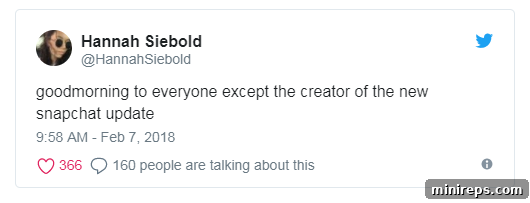
Tweet Credit: @HannahSiebold on Twitter

Tweet Credit: @KylieJenner on Twitter
Customer Reviews and Feedback Platforms: Unfiltered Insights
Customer reviews, whether glowing or critical, are equally vital components of a comprehensive listening strategy. They offer direct, often unsolicited, feedback on specific aspects of your product, service, or overall brand experience. Reviews not only help potential customers make informed decisions but also provide invaluable data for your internal teams to understand what’s working well and what needs improvement.

Customers are often motivated to leave reviews when they feel strongly about an experience, whether exceptionally positive or deeply disappointing. Therefore, actively soliciting feedback after a purchase or service interaction is crucial. This can be achieved through:
- Post-Purchase Emails: Sending automated emails a few days after a purchase or service delivery, inviting customers to share their thoughts.
- In-App Prompts: For digital products, strategically placed prompts within the application asking for feedback.
- Website Pop-ups/Surveys: Brief surveys presented after checkout or after a user has spent a certain amount of time on your site.
- Dedicated Feedback Sections: A permanent section on your website where customers can submit suggestions or report issues.
- NPS (Net Promoter Score) Surveys: Simple, yet powerful surveys to gauge overall customer loyalty and satisfaction.
Analyzing reviews involves more than just reading individual comments. Look for recurring themes, common complaints, and consistent praise. Use positive reviews as powerful testimonials in your marketing materials, showcasing authentic customer success stories. Internally, positive feedback can be used to acknowledge and reward team members or departments for outstanding performance, boosting morale and reinforcing best practices.
While the goal is not to eliminate all negative reviews – which is an unrealistic expectation – the objective is to leverage constructive criticism to enhance your product, service, and overall customer experience. It’s crucial to distinguish between legitimate, disgruntled customers providing actionable feedback and “online trolls” who simply aim to disrupt or vent without a genuine intent to help. Develop a clear strategy for responding to all types of reviews: acknowledging positive ones, offering solutions and moving negative conversations offline for legitimate complaints, and politely disengaging from clear trolling. Setting up Google Alerts for your brand name and key products is an excellent, free way to stay informed about new mentions across the web, including reviews, articles, and discussions you might otherwise miss. This proactive approach helps you address issues promptly and maintain a strong online reputation.
Sales and Support Teams: Your Front-Line Intelligence Hubs
Your sales and customer support teams are arguably your most direct and consistent points of contact with your customers. They are on the front lines, engaging in daily conversations, answering questions, resolving issues, and guiding purchasing decisions. This unique position makes them invaluable sources of unfiltered customer insight.

These teams hear it all: the customer complaints, the persistent pain points, the frequently asked questions, the unmet needs, and the enthusiastic praise. They understand the nuances of customer sentiment in real-time. By formalizing a process for collecting and sharing this information, you can transform these departments into powerful intelligence hubs for your entire organization.
- Sales Team Insights: Sales professionals hear about customer objections, competitive landscape details, desired features, and common decision-making criteria. They understand what motivates prospects and what prevents them from converting.
- Support Team Insights: Support agents are experts on usability issues, common technical glitches, gaps in documentation, and areas where customers struggle. Their interactions highlight critical areas for product improvement and service enhancement.
To effectively harness this intelligence, companies should:
- Implement Structured Feedback Mechanisms: Create simple, efficient ways for sales and support teams to log customer feedback, feature requests, and recurring issues (e.g., dedicated fields in CRM software, regular internal reports).
- Conduct Regular Cross-Functional Meetings: Schedule routine meetings where representatives from sales, support, product development, and marketing can share insights, discuss trends, and collaborate on solutions.
- Empower and Train Teams: Train sales and support staff not just to solve problems, but to actively listen for underlying needs and to accurately document customer sentiment. Emphasize that their insights are highly valued and directly contribute to company strategy.
- Close the Loop: Ensure that feedback collected by these teams is acted upon and that the teams are informed about the changes or improvements that result from their input. This reinforces the value of their contribution and encourages continued engagement.
Synchronizing with these departments provides an unparalleled understanding of your customer’s journey, challenges, and aspirations, enabling more informed decisions across product, marketing, and operational strategies.
The Transformative Power of a Customer Listening Strategy
Implementing a comprehensive customer listening strategy is not just a best practice; it is a fundamental pillar for sustainable business growth and innovation. The insights gleaned from actively listening to your customers can positively impact virtually every aspect of your business:
- Platform and Website Improvements: Direct feedback helps optimize user experience, navigation, and functionality.
- Targeted Advertising and Marketing: Understand what resonates with your audience to create more effective campaigns.
- Content Formulation: Develop valuable content that addresses customer questions and solves their problems.
- Enhanced Customer Experience: Proactively identify and resolve pain points, leading to higher satisfaction and loyalty.
- Product Innovation: Drive future product development and feature enhancements based on real user needs.
- Competitive Advantage: Differentiate your brand by consistently delivering what customers truly want, often before competitors realize it.
In today’s hyper-connected world, businesses that truly listen and adapt are the ones that forge lasting relationships and achieve enduring success. Don’t fall into the trap of making assumptions or, worse, ignoring the clear voice of your customers, as exemplified by the Snapchat scenario. Embrace the “revolutionary concept” of genuinely listening to what your customers are telling you. It’s the simplest, most effective, and most impactful thing you can do for your business to not only succeed but to become genuinely irreplaceable in the eyes of those who matter most: your customers.