
In the fast-paced digital world, securing your online presence begins with your domain name. It’s the unique address that guides users to your website, serving as the cornerstone of your brand identity and online operations. However, this critical asset often becomes a target for cybercriminals through sophisticated tactics like fake domain renewal scams. These deceptive practices aim to trick domain owners into making fraudulent payments or revealing sensitive information, ultimately compromising their digital assets. This comprehensive guide aims to arm you with the knowledge and tools necessary to identify, avoid, and protect yourself from these prevalent and often convincing domain renewal scams.
Understanding the Threat: What Are Domain Renewal Scams?
Domain renewal scams are a pervasive form of cyber fraud specifically designed to exploit domain owners. These scams typically involve unsolicited communications, such as emails or physical letters, that mimic official domain renewal notices. The primary goal of these cybercriminals is to mislead individuals into believing that their domain registration is due for renewal with a different, often illegitimate, company. Upon “renewal,” victims unwittingly transfer funds to scammers, often at inflated rates, without actually extending their domain’s legitimate registration period. This leaves their domain vulnerable to expiration and potential loss, despite having made a payment.
The perpetrators of these scams frequently leverage publicly available information from the WHOIS database. The WHOIS database contains contact details for domain registrants, including names, addresses, and email contacts. While its original purpose is transparency and accountability, scammers exploit this data to craft highly personalized and convincing fake renewal notices. By making these notices appear legitimate, they increase their chances of ensnaring unsuspecting domain owners.
Victims often only discover the deception when their domain genuinely expires, or when they attempt to log into their true registrar’s account and find no record of the “renewal” they paid for. This can lead to significant operational disruptions, financial losses, and the potential loss of a valuable domain name, especially for businesses heavily reliant on their online presence.
Anatomy of a Common Domain Renewal Scam
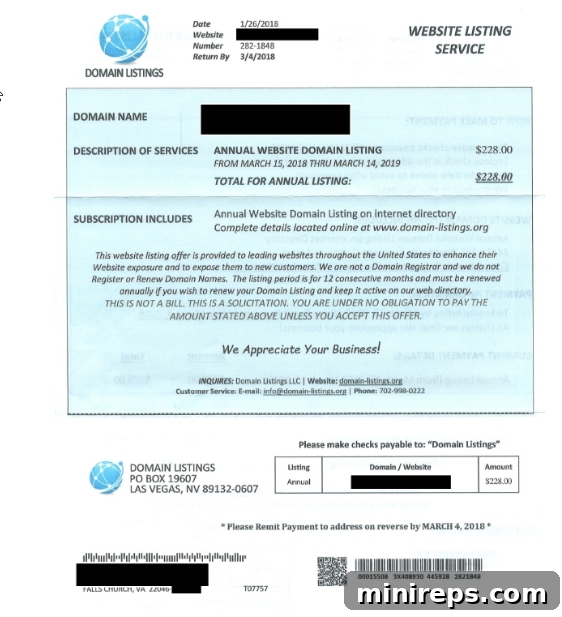
Many scam attempts employ similar tactics. One widely reported example involves solicitations from entities like “Domain Listings LLC.” These companies send out notices that are carefully designed to resemble official invoices or urgent renewal reminders. They often feature professional-looking layouts, official-sounding language, and a sense of urgency, pressuring recipients to act quickly to avoid losing their domain.
Consider the experience of one of our clients. They recently contacted our support team, expressing legitimate concern over an “invoice” received from Domain Listings LLC. The client, astute enough to question the legitimacy, inquired about our affiliation with this company. We unequivocally confirmed that our organization, 101domain, has no affiliation with Domain Listings LLC. This incident underscores the importance of vigilance and verification, as these scam attempts are designed to confuse and deceive even cautious domain owners.
Extensive research indicates that companies like Domain Listings LLC target hundreds of thousands of domain owners worldwide. Other reputable sources, including PKTech and Bizmktg, have also documented similar fraudulent solicitations received by their customers, highlighting the widespread nature of this particular scam. These incidents serve as crucial reminders for all domain owners to exercise extreme caution when receiving any communication related to domain renewals from unfamiliar sources.
How to Identify a Fake Domain Renewal Notice
Distinguishing between a legitimate domain renewal reminder and a fraudulent scam is paramount for safeguarding your online assets. Like any phishing attempt, fake domain notices often contain tell-tale signs that, once recognized, can protect you from falling victim. Here’s a detailed breakdown of what to look for:
1. Scrutinize the Sender’s Email Address and Domain
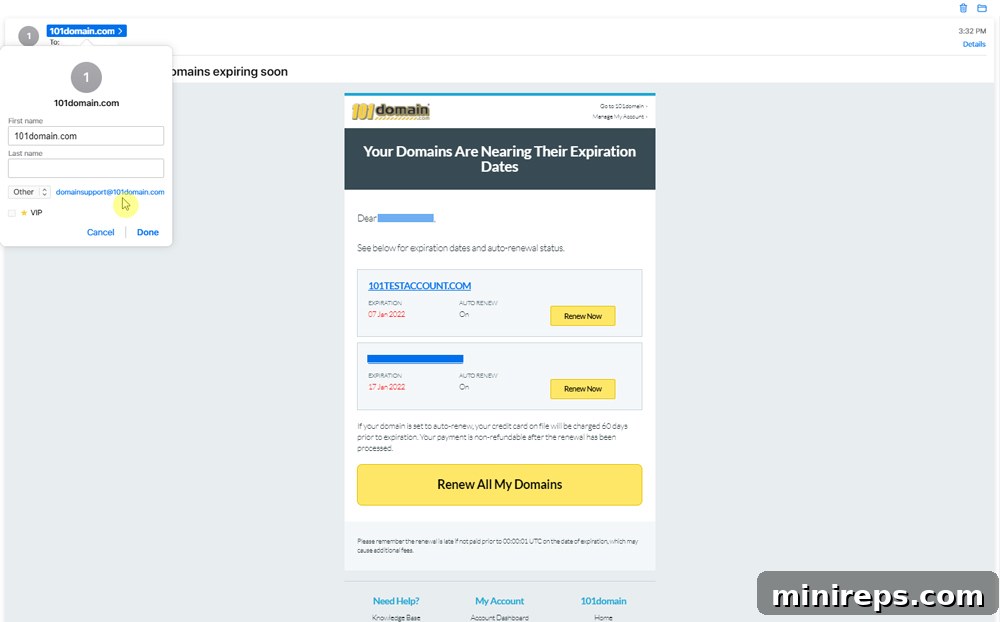
The first line of defense is always the sender’s information. A legitimate domain renewal email will originate from your actual domain registrar or a recognized affiliated service. For example, a genuine email from 101domain would come from `[email protected]`. However, cybercriminals are adept at email spoofing, making it appear as though the email is from a trusted source. They might use subtle misspellings (e.g., “1O1domain.com” instead of “101domain.com”) or use an entirely different, but official-sounding, domain.
To combat this, legitimate registrars employ advanced security measures like email authentication protocols (SPF, DKIM, DMARC) to verify the sender’s identity and prevent impersonation. At 101domain, we actively secure spoofed variations of our domain names to further protect our customers. If you’re ever in doubt, contact your registrar directly using verified contact information, not the contact details provided in the suspicious email.
For businesses seeking robust email authentication and brand protection, our sales team can provide expert guidance:
Contact Us: +1.888.982.7940 | [email protected]
2. Verify All Links and URLs Before Clicking
One of the most critical steps is to verify where any links in the email will lead. Malicious links can direct you to fraudulent websites designed to steal your credentials or install malware. Before clicking, hover your mouse cursor over any buttons, icons, or hyperlinked text. The actual URL will typically appear in the lower-left corner of your browser window or as a tooltip.
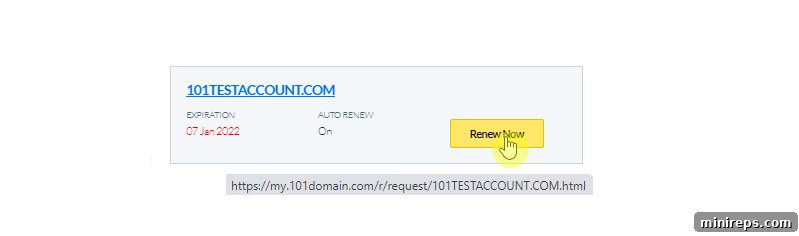
Ensure the displayed URL is the official website of your domain registrar, such as `my.101domain.com` for our customers. If the URL looks suspicious, even subtly different from your registrar’s official site, do not click it. Instead, open your web browser, manually type in your registrar’s official website address, and log in directly to manage your domain.
3. Confirm Your Actual Registrar and Account Information
- Is this company your actual domain registrar? This is arguably the most straightforward question to ask. If the email or letter is not from the company where you explicitly registered and manage your domain name, it is almost certainly a scam. Disregard such communications immediately. Always log directly into your official domain account manager to get accurate, real-time information about your domain’s renewal status, expiry dates, and billing.
- Does the email design, tone, and language match previous legitimate communications? Trustworthy companies maintain consistent branding, tone, and messaging. Pay close attention to the overall look and feel of the email. Are there any grammatical errors, spelling mistakes, or awkward phrasing? Scammers, especially those operating internationally, often make these errors. Does the sender address you by your specific name or use a generic greeting like “Dear Valued Customer”? A lack of personalization can be a strong indicator of a mass phishing attempt. While email designs can be mimicked, inconsistencies often reveal fraudulent intentions. If anything feels “off,” proceed with extreme caution.
4. Watch Out for Urgent or Threatening Language
Scammers often employ high-pressure tactics to induce panic and prevent careful scrutiny. Phrases like “Immediate Action Required,” “Your Domain Will Expire Tomorrow,” or threats of domain loss or service interruption are common in fraudulent notices. Legitimate registrars provide ample notice for renewals and typically offer clear, calm instructions without resorting to alarming language.
5. Be Skeptical of Unusually High or Low Prices
If the renewal fee seems suspiciously high compared to what you usually pay, or conversely, incredibly low to entice you, it’s a red flag. Always cross-reference any quoted prices with the official pricing on your actual registrar’s website.
Proactive Protection: Securing Your Domain from Scams
Beyond being able to spot a scam, implementing proactive security measures is crucial for long-term domain protection. One of the most effective tools at your disposal is Private Registration.
Enhanced Privacy with Private Registration
Private Registration (also known as WHOIS Privacy Protection) is a vital service that shields your personal contact information from public view in the WHOIS database. As mentioned, cybercriminals frequently harvest data from WHOIS to target domain owners. By activating Private Registration, your sensitive details—including your name, email address, physical address, and phone number—are replaced with the information of our privacy service.
This critical layer of defense offers multiple benefits:
- Prevents Domain-Related Spam and Scams: By anonymizing your contact details, Private Registration significantly reduces the influx of unwanted solicitations, including fake renewal notices, marketing emails, and even phone calls from telemarketers. Only legitimate communications from your domain registrar or essential partners can reach you, filtered through the privacy service.
- Helps Stop Domain Hacking Attempts: While not a complete safeguard against all hacking, masking your personal details makes it harder for malicious actors to gather information that could be used in social engineering attacks or other attempts to gain unauthorized access to your domain.
- Protects Against Stalkers and Harassers: For individuals, Private Registration adds a crucial layer of personal security, preventing your home address and phone number from being easily accessible to anyone searching the WHOIS database.
- Safeguards Against Identity Theft: By limiting the exposure of your personal data, you reduce the risk of identity theft, which can often begin with seemingly innocuous pieces of information found online.
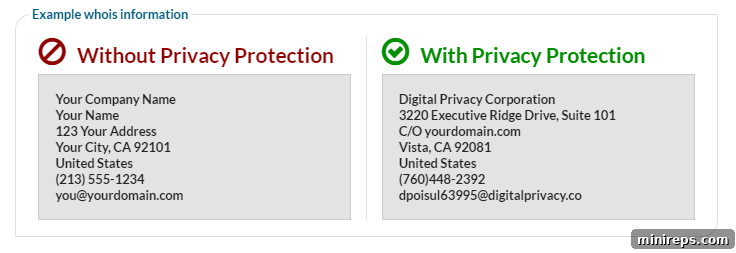
The privacy service acts as an intermediary, forwarding legitimate inquiries while blocking spam and fraudulent attempts. This ensures that essential communications regarding your domain still reach you, without compromising your privacy.
Additional Best Practices for Domain Security
- Enable Auto-Renewal: Most registrars offer an auto-renewal feature. This is an excellent way to ensure your domain never accidentally expires, removing a common point of vulnerability that scammers often target.
- Use Strong, Unique Passwords and Two-Factor Authentication (2FA): Secure your domain registrar account with a complex, unique password and enable 2FA wherever possible. This adds an extra layer of security, making it significantly harder for unauthorized individuals to access your account even if they somehow obtain your password.
- Keep Your Contact Information Updated with Your Registrar: While Private Registration hides your details from public view, your registrar still needs accurate contact information to reach you for legitimate reasons. Ensure your email address and phone number on file are current.
- Be Skeptical of All Unsolicited Communications: Whether it’s an email, a letter, or a phone call, always approach unsolicited communications about your domain with a healthy dose of skepticism.
- Report Scams: If you identify a fake domain renewal scam, report it to your registrar, and relevant authorities (e.g., consumer protection agencies, internet crime complaint centers). This helps track and combat cybercrime.
By combining vigilance with proactive security measures like Private Registration and robust account management, you can significantly enhance the security of your domain names and protect your valuable online presence from deceptive domain renewal scams.