

Apple iOS 11, a landmark update at its release, sparked considerable debate across the digital landscape, especially among marketers. This new operating system introduced a significant feature within its Safari browser: Intelligent Tracking Prevention (ITP), designed to restrict ad tracking. Heralded by many as a monumental step forward for user privacy, others viewed it as a direct challenge to the fundamental economic model supporting the free internet. This shift ignited a crucial conversation about the delicate balance between safeguarding personal data and enabling a vibrant, ad-supported online ecosystem.

Understanding Ad Tracking and Its Role in the Digital Economy
What Exactly is Ad Tracking?
At its core, ad tracking is the process by which online advertisers collect and analyze data about users’ browsing activities. When you visit a website, small text files known as ‘cookies’ are often stored on your device. These cookies contain information about your visit, such as the pages you viewed, products you clicked on, or even items you added to a shopping cart. Every time you return to that site or visit another site that partners with the same advertising network, this information can be accessed, helping advertisers understand your interests and preferences. This data allows for the personalization of content and, crucially, advertising.
Beyond traditional cookies, ad tracking encompasses a variety of technologies, including pixel tracking (small, invisible images that record user actions), device fingerprinting (identifying users based on their device’s unique configuration), and local storage objects. The primary goal is to build a profile of user behavior, enabling advertisers to deliver more relevant ads to potential customers as they navigate across different websites and platforms. This capability forms the backbone of modern digital advertising, allowing businesses to reach specific audiences with tailored messages, thereby maximizing their marketing efficiency and return on investment (ROI).
The Evolving Argument for Digital Privacy
The conversation around online privacy has intensified dramatically in recent years, propelled by growing public awareness and new regulations like GDPR and CCPA. Users are increasingly concerned about how much of their personal browsing data is collected, stored, and utilized by third parties. Brands like Google have proactively responded by making SSL Certificates a requirement for E-Commerce websites, promoting secure connections and data encryption. Similarly, Apple has consistently positioned itself as a champion of user privacy, making it a cornerstone of their brand identity and product development strategy. The introduction of Intelligent Tracking Prevention (ITP) in Safari with iOS 11 is a direct manifestation of this commitment.
ITP works by limiting the lifespan of third-party cookies and reducing their ability to track users across different websites. For many consumers, this move by Apple represents a positive and necessary step towards regaining control over their digital footprint. The idea that brands have extensive access to one’s personal browsing data can feel intrusive, akin to digital surveillance. Apple’s initiative aims to make privacy on the internet a more transparent and manageable issue for its users, preventing persistent, cross-site tracking that often occurs without explicit consent or even user awareness. While Apple’s focus on privacy is commendable and resonates deeply with many users, the broader implications for the online advertising ecosystem and the very structure of the digital economy require careful consideration.
The Economic Conundrum: Advertising, Retargeting, and the Free Internet
Out of Sight, Out of Mind: The Challenge for Brands
The adage “out of sight, out of mind” perfectly encapsulates the dilemma faced by brands in a world with restricted ad tracking. Without the ability to effectively retarget, businesses must find innovative and creative new strategies to remain at the forefront of their customers’ minds. Retargeting ads, while sometimes perceived as intrusive or “creepy digital stalking,” have been incredibly effective in bridging the gap between initial interest and final purchase. Imagine searching for a specific product online – a new car, a vacation package, or a piece of furniture. In the past, retargeting ensured that relevant advertisements for that product would subsequently appear across various websites you visited, serving as a persistent reminder and often presenting compelling offers to encourage conversion.
This “follow-up” mechanism is crucial for many businesses, especially in the e-commerce sector, where customer journeys can be lengthy and involve multiple touchpoints. The goal of retargeting is not just to annoy but to nurture potential customers who have already demonstrated a clear interest in a brand or product by visiting their website. By reinforcing brand presence and offering timely incentives, retargeting significantly increases the likelihood of turning a browser into a buyer. It personalizes the advertising experience, making it more efficient and often more helpful, despite the occasional feeling of being observed. After all, for many, being surrounded by content and offers that genuinely align with their recent interests is far from the worst thing in the digital world; it can, in fact, be highly beneficial.
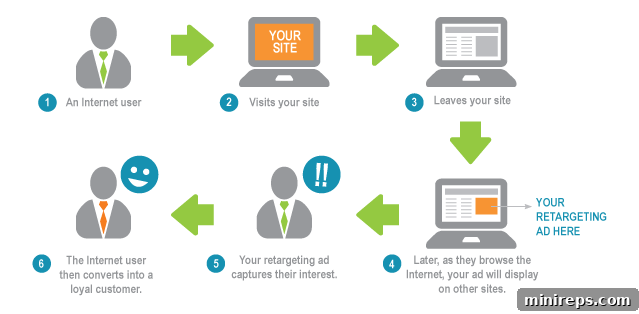
Image Source: econsultancy.com
The Broader Impact on Online Shopping and Advertising
The implications of Apple’s iOS 11 update, particularly its Intelligent Tracking Prevention in Safari, extend far beyond individual brands. It challenges the very foundation of the ad-supported internet economy. Many online services, content platforms, news sites, and apps offer their products for free because they are subsidized by advertising revenue. When the effectiveness of targeted advertising is diminished, the ability of these entities to generate revenue is directly impacted, potentially leading to fewer free services, more subscription models, or a decline in quality.
While the update provides undeniable benefits for user privacy, the overall sentiment among many in the digital advertising and e-commerce industries is that ITP might do less to enhance privacy in the grand scheme and more harm in preventing brands from effectively connecting with genuinely interested audiences. It risks depersonalizing the customer experience by limiting a brand’s ability to offer relevant products and services, ultimately making the online shopping journey less efficient and potentially more frustrating for consumers who prefer tailored recommendations.
The advertising industry’s reaction was swift and strong. Shortly after the iOS 11 rollout, a coalition of six major advertising trade groups, including the Interactive Advertising Bureau (IAB) and the American Association of Advertising Agencies (4A’s), released an open letter criticizing Apple’s unilateral strategy. Their concerns centered on the disruption to web analytics, attribution models (which help businesses understand which ads lead to sales), and the disproportionate impact on small and medium-sized businesses that rely heavily on cost-effective, targeted digital advertising to compete. They argued that such actions could inadvertently create “walled gardens” where only large tech platforms with first-party data could effectively advertise, thereby stifling competition and innovation.
Navigating the Future: Privacy, Personalization, and the Internet Economy
The introduction of Intelligent Tracking Prevention by Apple with iOS 11 marked a significant turning point in the ongoing debate between user privacy and the needs of the digital advertising industry. It forced marketers and businesses to re-evaluate their strategies, pushing them towards more privacy-centric approaches. This includes a renewed focus on first-party data collection (data gathered directly from customer interactions on a brand’s own platforms), the resurgence of contextual advertising (placing ads based on the content of the webpage, rather than user behavior), and exploring advanced privacy-enhancing technologies.
The challenge moving forward lies in finding a sustainable equilibrium where user data is protected without dismantling the economic model that underpins the vast, free resources of the internet. Companies are now tasked with developing transparent and ethical methods for personalization that respect user choices while still delivering value. This might involve more explicit consent mechanisms, clear communication about data usage, and innovative advertising formats that are less reliant on persistent, cross-site tracking. The tech industry, advertisers, and consumers all have a stake in shaping this future.
Ultimately, the question remains: is ad-supported online content and services something consumers genuinely appreciate, valuing the access it provides to a wealth of information and entertainment? Or is Apple taking the unequivocally correct step forward in prioritizing privacy above all else, even if it reconfigures the internet as we know it? The ongoing evolution of digital privacy regulations, technological advancements, and consumer preferences will continue to shape this complex landscape, demanding continuous adaptation and dialogue from all stakeholders.