
Protecting Your Brand from Domain Spoofing and Phishing Attacks
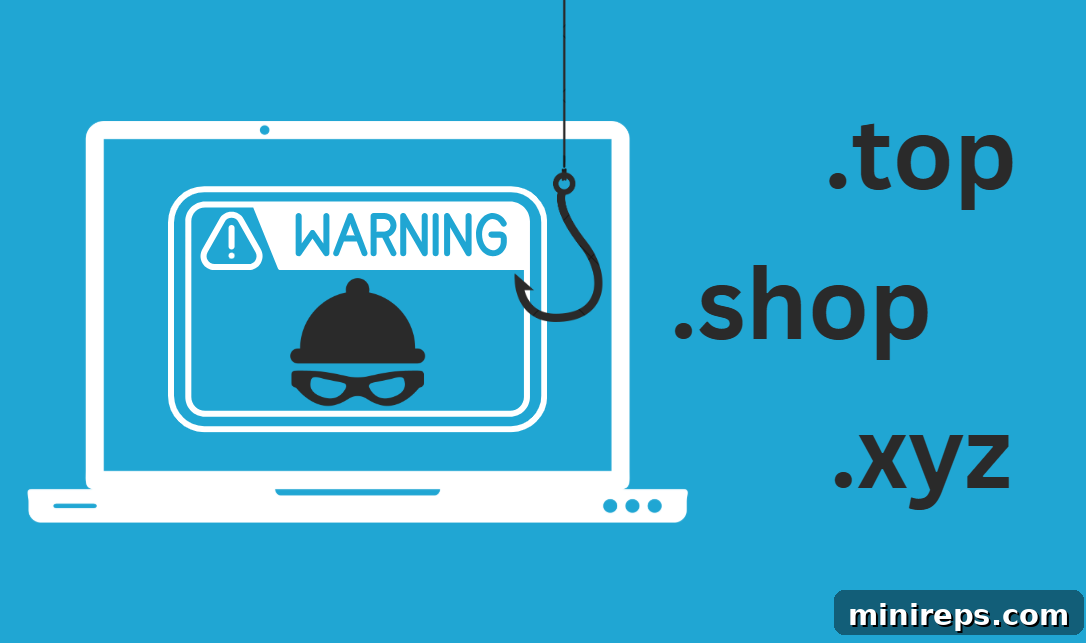
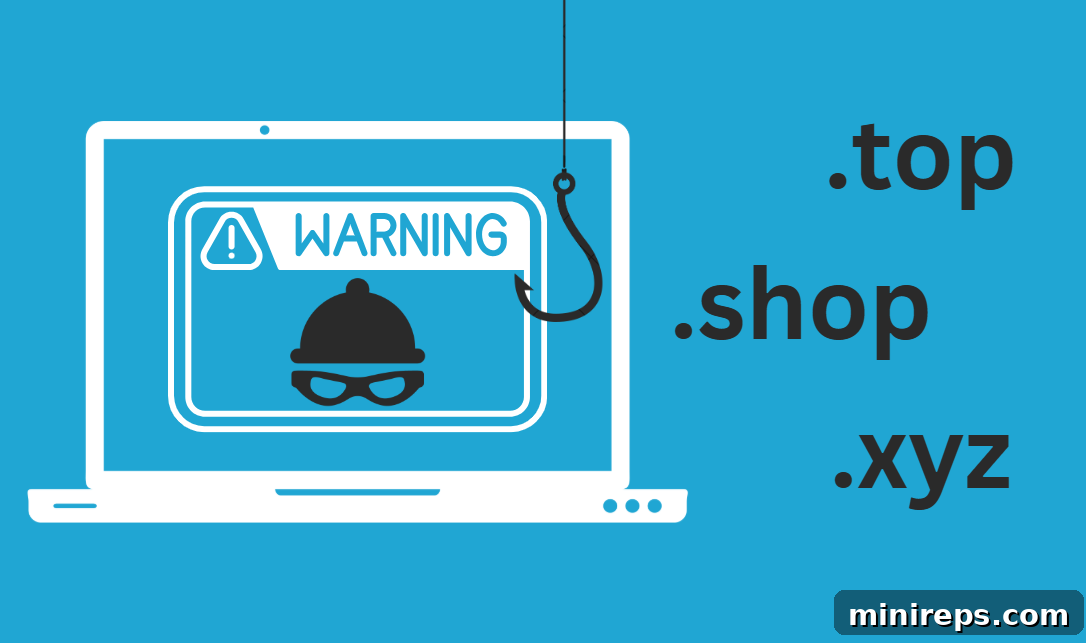
In the rapidly evolving digital landscape, cybercrime continues to pose a significant threat to businesses of all sizes. Recent statistics paint a stark picture: as of August 2024, there has been an alarming nearly 40% surge in phishing attacks compared to the previous year. A substantial portion of these malicious activities are being carried out on new generic top-level domains (gTLDs) such as .shop, .top, and .xyz. These particular gTLDs have become a haven for cybercriminals due to their low cost and minimal registration barriers, making them highly attractive targets for illicit activities. The ease with which these domains can be acquired and used for deceptive purposes underscores the urgent need for robust brand protection strategies in today’s digital age.
The consequences of successful phishing and spoofing attacks can be devastating, leading to significant financial losses, irreparable damage to brand reputation, and a severe erosion of customer trust. Businesses must therefore adopt proactive measures to safeguard their digital assets and ensure the integrity of their online presence. This comprehensive guide will explore three essential strategies designed to empower your brand against these sophisticated cyber threats, helping you maintain security and peace of mind in a volatile online environment.
Why Do Spoofers Love Certain gTLDs? Understanding the Threat Landscape
To effectively combat domain spoofing and phishing, it’s crucial to understand why certain generic top-level domains (gTLDs) are so appealing to cybercriminals. gTLDs are the familiar endings of web addresses, such as the widely recognized .com or .org. While new gTLDs were introduced to expand the internet’s naming options and provide more specific categories for businesses and interests, they inadvertently opened a new avenue for malicious actors. Spoofers—individuals who create fake websites designed to impersonate legitimate businesses—are increasingly gravitating towards gTLDs like .shop, .top, and .xyz for their deceptive phishing campaigns. Let’s delve into the specific reasons behind this trend and examine a practical example to illustrate their cunning strategy.
- Affordability: Many of these newer gTLDs are remarkably inexpensive, often costing just a few dollars to register. This low barrier to entry allows scammers to acquire them in large quantities, significantly reducing their financial risk. By investing minimal capital, cybercriminals can maximize their potential reach for perpetrating mass attacks, making it a highly cost-effective method for fraud. The bulk acquisition also makes it harder to track individual malicious registrations.
- Accessibility: The registration process for these domains is often remarkably straightforward, requiring minimal, if any, verification checks. Unlike highly regulated domains (such as .bank, which demands stringent identity verification), many new gTLDs have few-to-no requirements. This lack of rigorous oversight means spoofers can easily mask their true intent, quickly setting up fraudulent sites without revealing their identity, making it a breeze to establish a deceptive online presence.
- Availability: A common oversight for many businesses is failing to proactively register their brand name across a wide array of gTLDs. With thousands of new gTLDs now available, numerous variations of legitimate brand names remain open and unregistered. It takes mere seconds for spoofers to identify and snatch up a domain that closely mirrors a well-known business, leveraging this availability to create convincing imposter sites.
Consider the illustrative case of a well-regarded online retailer named “ShopBest.” While this company diligently owns and operates its official website at shopbest.com, an opportunistic spoofer might quickly register shopbest.shop. The similarity is striking, and for an unsuspecting customer, easily confused.
Once registered, the spoofer meticulously constructs a replica of the authentic ShopBest website. This involves copying the design elements, stealing the company’s logo, and replicating every page’s content word-for-word to create an almost indistinguishable clone. Following this, they launch a sophisticated phishing campaign, sending out emails expertly crafted to appear as genuine ShopBest promotions or urgent account alerts. These emails typically feature enticing offers or alarming messages, all designed to prompt recipients to click on the fraudulent shopbest.shop link.
Now, imagine yourself as a trusting customer. Upon receiving such an email, you notice the familiar branding and enticing deals. Believing it to be legitimate, you click the link. You land on what appears to be the official ShopBest site and, without a second thought, proceed to enter your payment information, login credentials, or personal data. Unbeknownst to you, you have just handed over your sensitive information directly to a cybercriminal. The spoofer walks away with your credit card details, personal identifiers, and potentially your entire digital identity, leaving you vulnerable to severe financial fraud and identity theft. For the legitimate ShopBest, such an attack can lead to immense reputational damage, customer churn, and costly legal battles.
As a business, you simply cannot afford the risk and devastating repercussions of such a security breach. Once a phishing attack takes hold and compromises your customers, the clean-up process is not only expensive but can also irreparably harm your brand’s image and long-term viability. The most effective protocol for handling phishing and spoofing threats is by adopting proactive measures to prevent them from occurring in the first place. Therefore, the critical question becomes: what actionable steps can you take to stay significantly ahead of these persistent and evolving threats?
Build Your Domain Portfolio: A Proactive Defense
One of the most foundational and effective ways to begin fortifying your brand’s security in the digital realm is by strategically expanding your domain portfolio. A domain portfolio is essentially a comprehensive collection of domain names that are relevant to your business, registered across various gTLDs. By proactively acquiring similar or commonly confused domain names, you erect a powerful barrier, preventing malicious actors from imitating your business. This strategy not only safeguards your hard-earned reputation but also maintains the invaluable trust of your customers. Furthermore, many of these additional domains can be secured at a relatively low cost, allowing you to take vulnerable, lower-priced options off the market with minimal financial outlay for your business.
Steps to Building a Smart Domain Portfolio for Ultimate Protection
1. Identify Key Domains: Begin by thoroughly researching and identifying all gTLDs that are most relevant to your business, industry, and brand identity. This extends beyond obvious choices to include industry-specific terms, variations of your product names, common misspellings or typos of your brand, and even geographic markers where your business operates or plans to expand. Consider registering plurals, hyphenated versions, and alternative spellings to cover all bases.
2. Focus on New gTLDs: Make it a priority to acquire newer, more susceptible gTLDs that are closely related to your brand. These often include extensions like .shop, .store, .online, .site, .app, and many others which are frequently targeted by spoofers due to their lower costs and less stringent registration policies. Securing these prevents their misuse. If navigating this complex landscape feels overwhelming, specialized services are available to help manage and build your comprehensive domain name portfolio effectively.
3. Regular Checks and Maintenance: The domain space is dynamic, with new gTLDs continuously emerging and registration statuses changing. Therefore, it is essential to keep a vigilant eye on available domains. Conduct regular audits of your domain portfolio to ensure it remains up-to-date and comprehensive. Neglecting this step can leave gaps that cybercriminals are quick to exploit, compromising your proactive efforts. Implement a calendar for renewals and reviews to ensure continuous protection.
While building a robust domain portfolio serves as an excellent foundational starting point for brand protection, it’s important to acknowledge its limitations if no further actions are taken. For instance, the responsibility to constantly monitor which domains become available, go on sale, or start trending falls entirely on your shoulders, which can be a time-consuming and labor-intensive task. More critically, if you happen to miss even a single critical domain and leave it unregistered on the market, it remains vulnerable and can still be swiftly acquired by cybercriminals with malicious intent, completely undermining your defensive strategy. Such gaps create significant liabilities for your brand and customers.
However, there’s no need for concern; several other sophisticated solutions exist to complement your domain portfolio and provide even greater layers of security.
Leveraging Domain Monitoring Services for Vigilance
Once you’ve diligently established a strong and comprehensive domain portfolio, the next critical line of defense against cyber threats is integrating a specialized domain monitoring service. These services function as an advanced alert system, continuously scanning the vast global domain landscape to notify you of any registration attempts on domains that closely resemble or could be easily confused with your brand name. The digital domain landscape is exceptionally fluid—new gTLDs frequently emerge, and the tactics employed by cyber threats are constantly evolving. Staying well-informed and responsive to these changes is not just a best practice, but an absolute necessity for keeping your business secure and your brand reputation intact.
Here’s a deeper look into how a robust domain monitoring service can provide indispensable protection for your business:
- Real-Time Alerts: The cornerstone of effective domain monitoring is its ability to provide immediate notifications. You will be instantly alerted if anyone attempts to register a domain name that closely matches your brand, including common misspellings, typosquatting variations, or brand-plus-keyword combinations across any gTLD. This proactive measure enables your team to take swift, decisive action, such as initiating a dispute or sending a cease and desist letter, thereby mitigating potential attacks before they can gain traction and negatively impact your customers or brand image.
- Comprehensive Activity Reports: Gain access to detailed, insightful reports on all domain-related activities that concern your brand. These reports offer valuable intelligence into emerging trends in malicious registrations, highlight patterns of potential threats, and identify new vulnerable gTLDs being exploited. Understanding these patterns is crucial; it helps in refining your future defense strategies, allocating resources effectively, and proactively closing potential security loopholes before they are exploited.
- Customizable Notifications and Scope: Tailor your monitoring service to focus precisely on what matters most to your business. You can configure custom notifications based on specific keywords related to your brand, prioritize certain gTLDs known for higher risk, or zero in on geographic regions where your business might be more vulnerable to localized attacks. This level of customization ensures that your monitoring efforts are highly efficient, relevant, and provide maximum coverage where it’s needed most, without generating unnecessary noise.
Integrating a sophisticated domain monitoring service into your overall cybersecurity strategy offers significant peace of mind. It assures you that you are consistently one step ahead of potential threats, rather than reacting after an attack has already occurred. At 101domain, we pride ourselves on offering expert brand monitoring services, meticulously crafted and grounded in our extensive, unparalleled knowledge of every domain registry and gTLD available on the internet, ensuring a vigilant watch over your digital identity.
Implement GlobalBlock: The Ultimate Preemptive Strike
Beyond proactive monitoring, businesses seeking the most aggressive and comprehensive defense against domain abuse should consider implementing a solution like GlobalBlock. This innovative tool offers an unparalleled level of preemptive protection by allowing businesses to block their brand name (or specific keywords related to it) across an extensive number of new gTLDs simultaneously. Essentially, GlobalBlock acts as a digital fence, effectively freezing out spoofers and cybercriminals by rendering these domains inaccessible for any malicious registration attempts, preventing problems before they even arise.
GlobalBlock works by utilizing a mechanism that prevents third parties from registering your brand terms in a broad spectrum of new gTLDs. Instead of reacting to individual instances of domain abuse, you proactively prevent hundreds or even thousands of potential malicious registrations from ever occurring. This is especially vital in an era where new gTLDs are constantly being introduced, making it virtually impossible to manually register every conceivable variation of your brand name across all possible extensions. With GlobalBlock, you gain a strategic advantage, securing your brand’s digital perimeter at the registry level, far upstream from where individual domains are typically managed.
The advantages of GlobalBlock are manifold: it dramatically reduces the administrative burden of constantly monitoring and enforcing trademark rights across countless domains; it provides an unshakeable layer of security that traditional methods cannot match; and it ensures profound peace of mind, knowing that your brand is protected against emerging threats in the gTLD space. While domain monitoring is excellent for detection, GlobalBlock is about prevention at scale, making it an indispensable tool for major brands and any organization committed to uncompromising digital security and preserving customer trust.
Conclusion: A Multi-Layered Approach to Digital Security
In conclusion, while no single system can guarantee absolute infallibility against the relentless tide of cyber threats, combining a robust domain portfolio management strategy, vigilant domain monitoring services, and the comprehensive protection offered by global blocking solutions like GlobalBlock significantly enhances your defense against sophisticated spoofers and phishing attacks. By thoroughly understanding the inherent vulnerabilities that make certain gTLDs attractive targets for cybercriminals and by taking decisive, proactive measures against these potential threats, your business will be exceptionally well-prepared to counteract and prevent malicious activities. This multi-layered approach creates a formidable shield around your digital brand assets.
It is imperative to remember that effective cybersecurity is not merely about reacting to attacks once they have unfortunately occurred. Instead, true security lies in staying several steps ahead, anticipating threats, and implementing preventative measures. Prevention is undoubtedly the most critical key to maintaining your business’s integrity, safeguarding its invaluable reputation, and ensuring that your customers’ trust remains completely unshaken in the face of evolving digital dangers. As cybercriminals continue to innovate and exploit new domains and attack vectors, your unwavering vigilance and strategic, proactive actions will be the cornerstone of your brand’s long-term longevity and sustained success in the digital age.