
Navigating the Digital Minefield: Your Essential Guide to Holiday Online Safety
The festive season, a time traditionally associated with joy, generosity, and togetherness, has unfortunately also become a peak period for cybercriminals. As the holidays approach, our inboxes swell with promotional offers, gift notifications, and shipping updates, creating the perfect storm for phishing ploys to catch even the most vigilant among us off guard. While we become adept at sifting through daily email clutter, the sheer volume and emotional context of holiday communications can significantly lower our defenses, making us more susceptible to sophisticated scams.
The landscape of holiday shopping has shifted dramatically, with a significant portion now taking place online. Back in 2015, nearly half (46%) of all holiday shopping was conducted digitally, a figure that has undoubtedly soared well above 50% in the years since. This massive migration to e-commerce, while offering unparalleled convenience, also provides a fertile ground for fraudsters. They leverage our busy schedules, our desire for a good deal, and our anticipation of gifts to launch highly effective phishing attacks designed to steal personal information, financial data, or even install malware.
Why the Holiday Season is a Prime Target for Scammers
Scammers don’t target the holiday season randomly; it’s a strategic choice based on human behavior and increased digital activity. Understanding these factors is the first step in building a robust defense.
Increased Online Activity
From Black Friday to New Year’s, online transactions skyrocket. We’re searching for gifts, comparing prices, booking travel, and sending digital greetings. This surge in legitimate online traffic creates ample cover for malicious activities. Cybercriminals exploit the sheer volume of emails and notifications, making it harder to distinguish between genuine communications and expertly crafted scams.
Distraction and Urgency
The holidays are inherently chaotic. Between work deadlines, family gatherings, travel plans, and endless to-do lists, our attention is constantly divided. Scammers capitalize on this distraction by creating messages that demand immediate action. Urgent delivery notifications, limited-time offers, or sudden account issues are designed to bypass our critical thinking and encourage impulsive clicks.
Emotional Vulnerability
The spirit of giving often makes us more open and trusting. We’re eager to receive gifts, delighted by holiday greetings, and hopeful for great deals. Fraudsters tap into these emotions, crafting scams that play on our excitement, generosity, or fear of missing out. An email promising a surprise gift card or an exclusive discount is harder to resist when we’re already in a festive mood.
Gift-Giving and Receiving Nature
The exchange of gifts, particularly gift cards and packages, is central to the holiday experience. Scammers know this and craft specific phishing campaigns around these themes. Fake gift card notifications, bogus delivery updates, and misleading charity requests are particularly effective because they align perfectly with common holiday activities and expectations.
Common Holiday Scams You Must Watch Out For
Awareness is your most powerful tool against cybercrime. Here are some of the prevalent scams that resurface every holiday season, often with new and improved deceptive tactics.
The Deceptive Gift Card Offer
Gift cards, especially e-gift cards, are a wonderfully convenient and popular present during the holidays. They offer flexibility for the recipient and are a perfect solution for sending gifts to loved ones across distances. This popularity, however, makes them a prime target for scammers. You might receive an email with a subject line like “You’ve Received a Gift Card!” or “Your Holiday Bonus Gift Card is Here!” These emails often contain links that, if clicked, lead to malicious websites. These sites might ask you to “verify” your identity by entering personal information or login credentials, which are then harvested by the fraudsters. In other cases, they might prompt you to download a file, which could be malware. Always be skeptical of unsolicited gift card notifications, especially if they require you to click a link or provide personal details to “redeem” the gift.
Fake Holiday E-Cards and “Year in Review” Traps
Digital greeting cards and social media “Your Year in Review” videos have largely replaced traditional hand-written cards for many, though we appreciate the personal touch of a physical card (and it’s true, direct mail is making a comeback!). While e-cards are a thoughtful way to connect, they also present a significant security risk. Scammers send emails disguised as e-cards from friends, family, or even well-known greeting card companies. These messages often include a link that, when clicked, doesn’t lead to a heartfelt greeting but rather to a phishing site designed to steal your credentials or to a page that automatically downloads malicious software onto your device. Be particularly wary if the sender is unknown or if the email looks generic and lacks personalized details. Legitimate e-card services typically require you to go to their site directly, not click a link in an email.
Impersonated Package Delivery Notifications
The holiday season is synonymous with online ordering and package deliveries. We’re so preoccupied with the sheer volume of gifts being ordered, tracking different shipments, and managing last-minute purchases that it’s easy to lose track of what’s coming when. This creates a perfect opening for “Package Delivery Status Update” scams. These emails or texts often impersonate major shipping carriers like UPS, FedEx, Amazon, or the postal service. They might claim there’s an issue with your delivery, a customs fee to be paid, or that you’ve missed a delivery attempt. The links in these messages are designed to either steal your login credentials, trick you into providing payment information for fake fees, or install malware. Always verify delivery statuses directly on the retailer’s or carrier’s official website using a tracking number you received directly from the merchant, not from a suspicious email.
Phony Holiday Deals and Discount Offers
Everyone loves a good deal, especially during the holidays. Scammers are well aware of this and create convincing but fake promotions for popular products or services. These offers often arrive via email, social media ads, or even text messages, promising unrealistic discounts that are “too good to be true.” Clicking on these links can lead you to fraudulent websites designed to look like legitimate retailers. Once there, you might be prompted to enter your payment details, which are then stolen, or the site might be a front for malware distribution. Before committing to any purchase, especially from an unknown vendor or an offer that seems suspiciously low, thoroughly research the seller and always navigate directly to the official website.
Essential Tips for a Secure Holiday Online Experience
Protecting yourself online during the holidays doesn’t require advanced technical skills, but it does demand vigilance and adherence to some fundamental cybersecurity practices.
1. Verify Sources and Navigate Directly
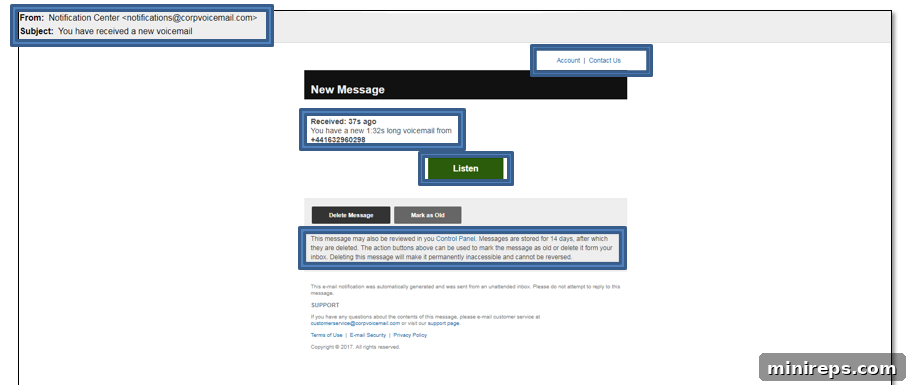
The golden rule of online safety: Never click on links or open email attachments from suspicious or unsolicited emails. Instead, if an email seems to be from a legitimate service (like your bank, a retailer, or a shipping company), open your web browser and go directly to their official website by typing the URL yourself or using a trusted bookmark. Log in to your account there to check for any notifications or updates. This bypasses any malicious links embedded in phishing emails and ensures you’re interacting with the genuine site.
2. Scrutinize Every Email for Red Flags
Develop a critical eye for incoming emails. Always check the sender’s email address – a lot of clues can be found here. If you receive an email from a very generic or unusual address, such as [email protected], it should immediately trigger a warning. Be wary of misspellings in the sender’s domain (e.g., “amaz0n.com” instead of “amazon.com”). It doesn’t matter if an email appears to come from a common gTLD like a .COM domain or a country-code TLD like a .AI domain; any domain can be spoofed or registered by a scammer. Other red flags include poor grammar, spelling errors, unusual formatting, generic greetings (“Dear Customer”), urgent or threatening language, and requests for sensitive personal information. Hover your mouse over any links (without clicking!) to see the actual URL before deciding to proceed.
3. Be Wary of “Too Good To Be True” Offers
This timeless adage holds immense truth in the digital realm. If an offer seems unbelievably generous – a luxury item for practically free, an unheard-of discount, or a prize you didn’t enter to win – it almost certainly is a scam. These offers are designed to lure you into revealing personal and sensitive data, which is the actual “cost” of the supposedly free item or incredible discount. The goal is often identity theft, credit card fraud, or installing malicious software.
4. Use Strong, Unique Passwords and Multi-Factor Authentication (MFA)
A fundamental layer of security involves robust passwords. Create long, complex passwords that combine uppercase and lowercase letters, numbers, and symbols. More importantly, use a unique password for every online account. If one account is compromised, a unique password prevents fraudsters from accessing your other services. Implement Multi-Factor Authentication (MFA) or Two-Factor Authentication (2FA) wherever available. This adds an extra layer of security, typically requiring a code from your phone in addition to your password, making it significantly harder for unauthorized individuals to access your accounts even if they have your password.
5. Keep Software and Devices Updated
Ensure that your operating systems, web browsers, antivirus software, and all other applications are kept up-to-date. Software updates frequently include critical security patches that fix vulnerabilities exploited by cybercriminals. An outdated system is an open invitation for malware and other attacks. Regularly run full system scans with reputable antivirus software to detect and remove any potential threats.
6. Secure Your Wi-Fi Connection
When conducting online shopping or banking, always use a secure, private Wi-Fi network. Public Wi-Fi networks (at cafes, airports, etc.) are often unencrypted and highly vulnerable to eavesdropping by criminals. If you must use public Wi-Fi, avoid performing any sensitive transactions. Consider using a Virtual Private Network (VPN) for an added layer of encryption and security when connecting to unfamiliar networks.
7. Monitor Financial Accounts Regularly
Throughout the holiday season and beyond, make a habit of regularly reviewing your bank statements and credit card activity. Look for any unfamiliar transactions, no matter how small. Early detection of fraudulent activity can prevent significant financial losses. Many banks offer alerts for unusual activity, which you should enable. Consider signing up for credit monitoring services to be notified of any unauthorized access to your credit reports.
Staying Vigilant: A Year-Round Practice
While the holiday season presents a heightened risk, the principles of online safety are not seasonal. Adopting these best practices year-round will significantly reduce your vulnerability to cyber threats. The digital world is constantly evolving, and so are the tactics of cybercriminals. Staying informed and exercising caution are your best defenses.
Remember to follow these essential tips, remain vigilant for warning signs, and prioritize your online safety this holiday shopping season. We sincerely hope your holidays are spent well, relaxing with family, enjoying amazing food, and cherishing quality time with loved ones, free from the worries of cyber threats. Happy holidays from the 101domain family to yours!