
Adapting Your Social Media Strategy: Navigating the Evolving Digital Landscape
In its nascent stages, social media was primarily conceived as a platform for personal connections, a digital space for individuals to interact and share their lives. However, its trajectory swiftly shifted, transforming it into an indispensable cornerstone of modern marketing for businesses of all sizes. Today, a robust social media strategy is woven into the very fabric of an organization, impacting everything from proactive social customer care to sophisticated marketing campaigns and direct sales initiatives. Yet, this digital marketing powerhouse presents a unique challenge: the inherent control that social platforms wield over content exposure within their feeds. This dynamic creates a “catch-22” for brands, where their reach is ultimately dictated by the algorithms of the very platforms they leverage.
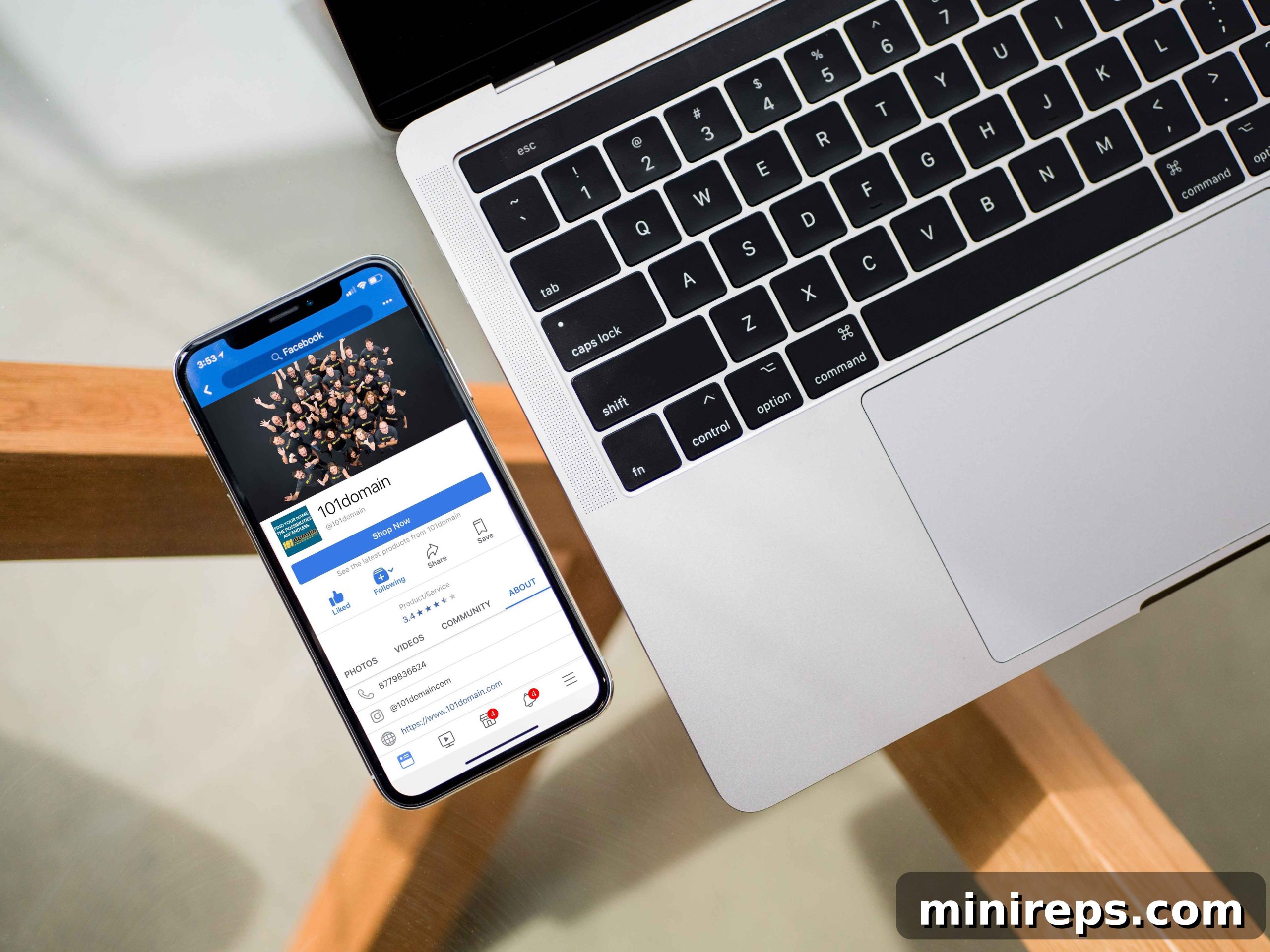
A prime example of this evolving landscape is Facebook. In a significant shift, Facebook has consciously redirected its focus back to its foundational purpose: fostering meaningful social interactions among individuals. This strategic pivot means prioritizing personal content over brand-generated posts in the News Feed, a move designed to enhance the quality of online relationships and experiences. For businesses, this fundamental change, which began impacting strategies in 2018 and continues to evolve, necessitates a critical reevaluation and adjustment of their social media approach to maintain relevance and effectively connect with their target audiences.
1. Cultivating High-Quality, Purpose-Driven Content
In an increasingly crowded digital arena, where countless brands vie for precious visibility within the Facebook News Feed, marketing teams must pivot from a quantity-centric approach to one that prioritizes unparalleled quality. The days of simply churning out content for content’s sake are over. The latest algorithmic updates, driven by Facebook’s desire to facilitate more meaningful interactions, demand that every piece of content published serves a clear purpose: to spark genuine engagement. This isn’t merely about getting likes; it’s about fostering conversations, inspiring shares, and encouraging users to tag their friends, thereby expanding your organic reach through authentic interaction.
To succeed in this environment, publishers must strategically craft content that resonates deeply with their audience. This means moving beyond generic promotional messages and instead focusing on posts that provoke thought, elicit emotion, or offer genuine value. Consider creating content that directly asks questions, initiates polls, or presents compelling discussion points. Behind-the-scenes glimpses, user-generated content campaigns, and interactive stories are powerful tools for building community and driving participation. Live videos, Q&A sessions, and tutorials can significantly increase watch time and direct engagement, as they provide a real-time, dynamic experience. The goal is to create content that users don’t just passively consume, but actively interact with, turning them from passive viewers into active participants.
While the concept of “viral content” has always been a coveted aspiration, the current emphasis requires a more calculated and strategic approach. It’s about understanding your audience’s needs, interests, and pain points, and then delivering content that directly addresses them in an engaging format. When contemplating what to publish on Facebook, or when deciding which posts to boost for increased visibility, prioritize content that has the highest potential for sparking comments, shares, and tags. This strategic focus ensures that your marketing efforts are not only seen but truly felt and acted upon by your target demographic. This brings us directly to our second crucial tip: how to effectively promote your most engaging content.
2. Mastering Strategic Content Promotion in the New Era
Content promotion is far from a novel concept in the realm of digital marketing. Brands have long utilized Facebook Ads and boosted posts to amplify their reach and generate traction within the News Feed. However, the shifting algorithms necessitate a more sophisticated approach to promotion. It’s no longer sufficient to simply reach users; the objective must now be to actively encourage them to engage with your content. This means optimizing your ad campaigns not just for impressions or clicks, but for genuine interactions like comments, shares, and video views.
One of the most significant trends that brands are increasingly leveraging is influencer marketing. With Facebook’s renewed emphasis on “meaningful social interaction,” influencers who have cultivated high organic reach and authentic relationships with their followers now hold a distinct advantage over brand pages. Partnering with these social influencers offers an incredibly effective and often more affordable way to ensure your content cuts through the algorithmic noise. Influencers can introduce your brand and its message to a pre-engaged audience in a way that feels organic and trustworthy, bypassing some of the challenges faced by traditional brand posts.
There are numerous creative avenues for collaborating with influencers. This can range from co-hosting promotional contests that drive user participation and generate excitement, to distributing unique coupon codes that incentivize direct sales or sign-ups. Guest posting, where an influencer shares their perspective on your content or vice-versa, can also broaden your audience and enhance credibility. Additionally, product reviews, sponsored stories, and brand ambassadorships can create a continuous stream of authentic, engaging content that aligns with Facebook’s preference for individual-driven interactions. When selecting influencers, focus on authenticity, audience alignment, and a proven track record of genuine engagement, ensuring your promotional efforts yield the desired results within the evolving Facebook News Feed algorithm.
3. Leveraging Artificial Intelligence for Superior Customer Experience
The advent of artificial intelligence (AI) has opened up transformative opportunities for brands to redefine their social media presence, extending beyond traditional marketing into crucial areas like customer support and direct engagement. The introduction of chatbots within Facebook Messenger is a prime example of this evolution. In an age where consumers demand instant gratification, social media has become the primary channel for seeking assistance. If support isn’t delivered with near-immediate responsiveness, customers can quickly become frustrated and develop negative perceptions of a brand. Chatbots bridge this gap, offering a scalable and efficient solution to deliver timely, consistent, and personalized customer service.
Chatbots exemplify how businesses across virtually any industry can reap substantial benefits from investing in artificial intelligence. Their ability to handle a multitude of queries simultaneously, around the clock, significantly enhances customer satisfaction and frees up human agents to focus on more complex issues. This efficiency is a major reason why the .AI domain has seen such a surge in demand, becoming a powerful branding tool for companies at the forefront of AI innovation.
To maximize the impact of your chatbot, proactively promote its availability. Utilize Facebook ads or boosted posts to encourage visitors to try out your brand’s chatbot. This ensures that customers are not only engaging with your content but also have a readily available avenue to reach out for further assistance, information, or even to complete a purchase. Beyond basic customer support, advanced chatbots can assist with lead generation, provide personalized product recommendations, answer frequently asked questions, schedule appointments, and guide users through complex processes, ultimately enhancing the overall digital customer experience.
To illustrate the practical application of chatbots in Facebook Messenger, let’s explore some successful examples and analyze their strengths and areas for improvement. These real-world applications highlight the diverse capabilities and evolving nature of conversational AI.
HealthTap
HealthTap provides a sophisticated chatbot that aims to streamline health-related search queries. It curates relevant content and insights directly from licensed physicians and health professionals, offering users a reliable source of medical information. The chatbot’s primary function is to help users understand symptoms and conditions, directing them to appropriate resources without requiring extensive manual searching.
During our assessment, we tested the HealthTap chatbot by inputting a common symptom. The bot efficiently provided several pertinent resources. However, when we attempted to refine the search by adding a related symptom, the chatbot reset the initial query, focusing exclusively on the second symptom. This observation underscores a common challenge in nascent chatbot development: maintaining context through multi-turn conversations. While highly effective for single-query interactions, there’s still room for improvement in handling complex or iterative user needs, highlighting the continuous evolution of AI in conversational interfaces.
Poncho
Poncho is an engaging and delightful “cat-bot” designed to deliver personalized weather forecasts. Its charm lies in its simplicity and the endearing personality it projects, making the mundane task of checking the weather a more enjoyable experience. Users can receive daily updates or specific forecasts for their location, all delivered with a touch of wit and feline flair.
Our experience with Poncho was exceptionally positive. The process of setting up preferences and requesting forecasts was remarkably simple and intuitive. The chatbot clearly understood commands, responded promptly, and delivered information in a user-friendly format. Poncho stands as an excellent example of a chatbot that excels in its defined niche, providing a straightforward service with an added layer of personality that enhances user engagement and satisfaction.
MemeGenerator Bot
The MemeGenerator Bot offers a highly convenient solution for creating memes directly within Facebook Messenger. Instead of requiring users to download and navigate a separate application, this chatbot integrates the entire meme-creation process into the existing chat interface. Users can simply send text or choose images, and the bot generates the meme, making it effortlessly shareable.
Based on our extensive testing, we can confidently affirm that the MemeGenerator Bot is a fantastic chatbot. Its utility is clear, addressing a common user desire for quick, in-chat content creation. The process is intuitive, allowing for rapid meme generation without any learning curve. This bot brilliantly showcases how AI can be integrated to enhance entertainment and creative expression within messaging platforms, demonstrating a high degree of user satisfaction and practical application.

Conclusion: Charting a Course for Future Social Media Success
The landscape of social media marketing, particularly on dominant platforms like Facebook, is in a perpetual state of flux. The algorithmic shifts prioritizing individual interactions over brand content represent not a setback, but an imperative for brands to evolve their strategies. Remaining relevant and effective in this dynamic environment hinges on a brand’s ability to adapt and innovate, focusing on authentic engagement and meaningful connections.
To thrive amidst these changes, businesses must embrace a holistic approach anchored in three critical pillars: the unwavering commitment to crafting high-quality, purpose-driven content that sparks genuine interaction; the strategic and intelligent promotion of that content through targeted advertising and influential partnerships; and the forward-thinking integration of artificial intelligence, particularly chatbots, to elevate customer experience and streamline interactions. By proactively adjusting their social media strategy to align with these principles, brands can not only navigate the challenges posed by evolving algorithms but also unlock new avenues for building stronger communities, fostering deeper customer relationships, and driving sustained business growth in the digital age. The future of social media success lies in interaction-driven strategies that prioritize value, authenticity, and responsiveness.