

Many IT teams treat domain security like a completed checklist item: an SSL certificate installed, a password on the registrar account, and the job is done. In reality, the controls that prevent domain hijacking, spoofing, and outages live deeper in the stack — at the DNS and domain registration level — and are often overlooked. This happens not because organizations don’t care, but because those controls are managed in a part of the infrastructure that most security budgets and teams don’t focus on: DNS and the domain registry.
The tendency to defer these controls — “we’ll get to it eventually” — spans organizations of all sizes. Whether your team has five people or five thousand, the result is often the same: critical registry- and DNS-level protections aren’t prioritized until an incident forces attention.
Why the basics feel like enough (until they aren’t)
Having an SSL certificate and securing the registrar account are necessary steps, but they don’t stop the most common and damaging domain attacks. Domains are compromised through unauthorized transfers, manipulation of DNS records, and lookalike domains that send convincing phishing emails. SSL protects in-transit connections and registrar passwords guard account access, but neither prevents attackers from changing DNS records, transferring domains away, or exploiting mail authentication gaps. Those problems require protections at the registry and DNS layer.
Where to start fixing them
- DNSSEC (Domain Name System Security Extensions). DNSSEC adds cryptographic signatures to DNS responses so resolvers can verify the data hasn’t been tampered with. It prevents attackers from forging DNS responses and redirecting traffic to malicious hosts. DNSSEC is broadly supported by registries and DNS providers, but it’s often left disabled because teams assume it’s difficult to implement. In truth, with planning and the right provider, DNSSEC provides a strong baseline against DNS spoofing.
- CAA (Certification Authority Authorization) records. A CAA record declares which certificate authorities (CAs) are allowed to issue TLS certificates for your domain. Without a CAA policy, any CA could potentially issue a certificate for your domain, increasing the risk of a misissued cert being used to impersonate your site. Publishing CAA records gives you control and visibility over which authorities can issue certificates, limiting the chance of unauthorized issuance.
- Registry lock. Registry lock introduces an additional verification step before any changes to your domain registration or authoritative DNS can be made. This is one of the most effective protections against unauthorized transfers and registry-level changes. Despite its effectiveness, registry locking is frequently skipped, even by organizations with other security controls in place. Enabling registry lock substantially raises the bar for attackers attempting to steal or alter your domain.
- DNS redundancy. Running authoritative DNS across multiple providers reduces the risk of a single-provider outage becoming a full domain outage. If your only DNS host experiences an outage or outage-inducing error, email, websites, and other services that rely on DNS resolution can all become unavailable. Using multiple providers, ideally in different networks and regions, increases resilience and reduces the chance of an incident becoming a business-wide outage.
- DMARC at enforcement. Many organizations publish a DMARC record but leave it in monitor-only mode (p=none) indefinitely. Monitoring helps you understand how email is being handled, but it does not prevent spoofed messages from reaching recipients. Moving DMARC to enforcement (p=quarantine or p=reject) instructs receiving mail servers to treat unauthenticated or forged mail as suspicious or to block it outright, which dramatically reduces the effectiveness of phishing campaigns that spoof your domain.
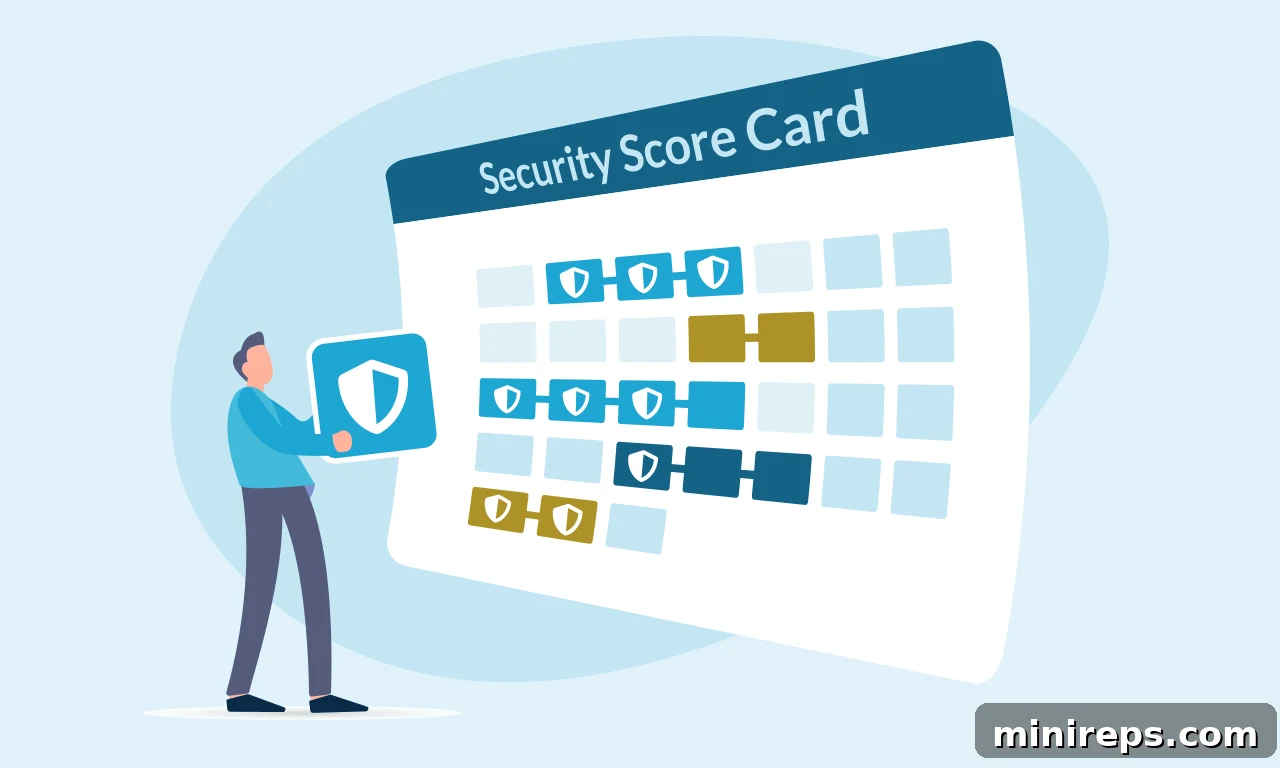
Your quick scorecard
Before choosing which control to implement first, do a quick honest assessment of your current posture. These five questions will help you identify the biggest gaps:
- Is registry lock active on your critical domains, and can you confirm it without checking multiple accounts?
- Is your DMARC policy set to enforcement (p=quarantine or p=reject), or is it still monitoring only (p=none)?
- Does your DNS rely on a single provider, or is it distributed across multiple providers for redundancy?
- Do your primary domains publish CAA records that limit certificate issuance to approved CAs?
- Is DNSSEC enabled and maintained for your domains, or was it evaluated and then deferred?
If you answered “no” or “not sure” to two or more items, you’re in common company — many organizations are in the same position. The important step is prioritizing which control to implement first based on impact and ease of deployment. For many teams, enabling registry lock and moving DMARC to enforcement deliver high leverage for relatively low ongoing operational cost. DNS redundancy and CAA records are also quick wins that materially reduce risk, while DNSSEC provides strong cryptographic protection when properly configured.
Understand the real state of your domain security.
A focused review of DNS, DMARC, and registry-level controls across your domain portfolio will reveal the most consequential gaps and help you prioritize practical remediations. A short assessment can identify misconfigurations and missing safeguards that attackers commonly exploit.