

In today’s digitally driven world, your brand’s online presence is not just an advantage—it’s a necessity. The internet has become the primary avenue through which potential customers discover businesses, often even before they physically encounter them. Imagine someone swiping through Yelp on their phone while walking down the street, discovering your coffee shop, rather than simply looking up and seeing your storefront. This fundamental shift in consumer behavior underscores the critical importance of a robust online strategy, especially for businesses that rely on local patronage.
Establishing a strong online footprint and meticulously optimizing your website for local Search Engine Optimization (SEO) are paramount. Local SEO is the strategic process of enhancing your online visibility for local search results, ensuring that when potential customers in your proximity search for products or services you offer, your business appears prominently. It’s about connecting your physical location with the digital world, guiding nearby searchers directly to your door.
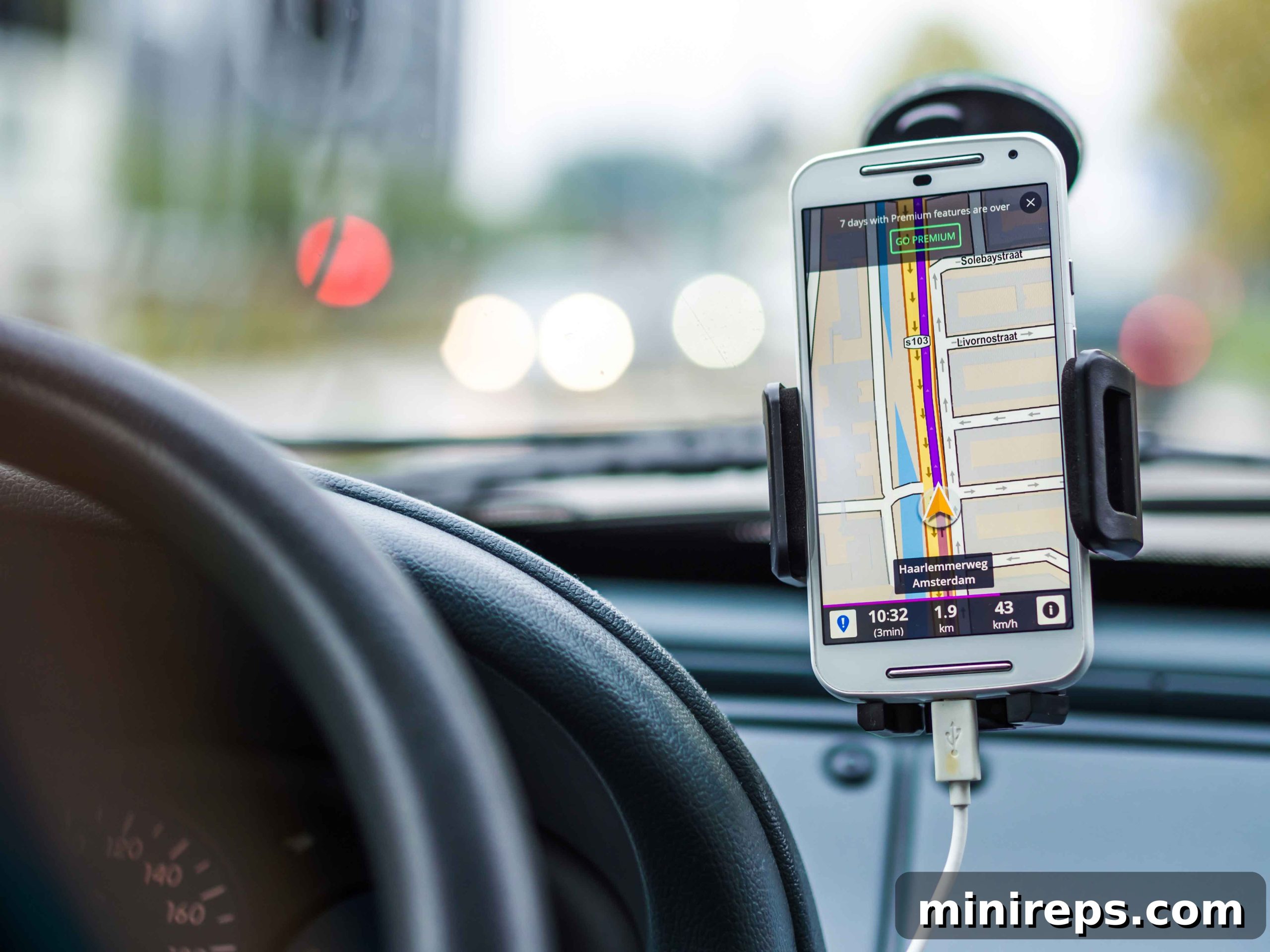
The Power of Local SEO: Bridging the Digital-to-Physical Gap
Think of traditional search as helping people discover what is available globally or broadly, while local search pinpoints where they can find it right now, near them. Traditional search typically aligns with the awareness and consideration phases of the consumer journey—people exploring options and gathering information. Local SEO, on the other hand, is firmly rooted in the action or purchase phase. When someone searches “ice cream near me,” they aren’t just browsing; they’re often looking to make a purchase within minutes. For a local ice cream shop, this could mean the difference between a new customer walking through your doors or heading to a competitor down the street.
Local SEO isn’t merely about ranking; it’s about connecting ready-to-buy customers with your business precisely when they need you most. This hyper-local targeting is invaluable for driving foot traffic, increasing phone calls, and generating immediate sales. It ensures your business isn’t just “out there” but is specifically “here” for those actively seeking what you offer in their immediate vicinity.
Who Benefits Most from Local SEO?
Any business with a physical location that depends on attracting customers and clients from its local community absolutely needs a dedicated local SEO strategy. We live in an era far removed from spontaneous visits. Before making a decision to visit a business, today’s savvy consumers often conduct quick online searches to gather vital information. They want to know your exact address, assess parking availability, check hours of operation, confirm product or service availability, and even inquire about unique amenities like being dog-friendly. Providing this information readily and accurately through optimized local search efforts builds trust and significantly influences their decision-making process.
This includes, but is not limited to: restaurants, cafes, retail stores, service providers (plumbers, electricians, salons), medical practices, legal firms, automotive repair shops, and any establishment where customers physically interact with your business.
Optimizing Your Website for Local Search Dominance
Your website serves as your digital storefront, and optimizing it for local search is foundational. Begin by ensuring your business name, address, and phone number (NAP) are consistently displayed and easily accessible across all pages. A common and effective practice is to include this crucial NAP information in the footer of your website, guaranteeing it appears on every single page. Beyond basic contact details, your website’s technical and content elements must also be locally tailored:
- On-Page SEO Fundamentals: Your business name and location should be naturally integrated into key website elements. This includes your title tags, meta descriptions, header tags (H1, H2, H3), and the main body content. Craft compelling meta descriptions that not only include local keywords but also entice users to click, offering a preview of what they’ll find on your page.
- Local Keyword Integration: Conduct thorough keyword research to identify terms potential customers use when searching for businesses like yours in your area. This might include “best pizza in [city name],” “hair salon [neighborhood],” or “plumber near [zip code].” Weave these keywords naturally into your content, avoiding keyword stuffing.
- Create Location-Specific Content: If your business serves multiple locations or distinct neighborhoods, consider creating dedicated landing pages for each. These pages should feature unique, high-quality content relevant to that specific location, including testimonials from local customers, local landmarks, and specific services offered there.
- Schema Markup Implementation: Utilize structured data markup (Schema.org) to provide search engines with explicit information about your business. Specifically, implementing “LocalBusiness” schema can highlight your business name, address, phone number, opening hours, reviews, and services, making it easier for search engines to understand and display your information in rich snippets.
- Mobile-Friendliness and Page Speed: Given the prevalence of mobile local searches, a responsive and fast-loading website is non-negotiable. Google prioritizes mobile-first indexing, meaning your mobile site’s performance directly impacts your rankings. Optimize images, leverage browser caching, and ensure clean code for rapid loading times.
Mastering Your Google My Business (GMB) Profile
Google My Business is arguably the single most important tool for local SEO. It’s your direct line to Google’s local search results, Google Maps, and the Knowledge Panel that appears for brand searches. Optimizing your GMB profile is critical for maximizing local visibility.
Google My Business allows you to manage the crucial information Google provides when people see your business in map results or local packs. A fully optimized GMB profile will prominently display your business photos, a detailed description, customer reviews, accurate hours of operation, your phone number, address, website link, and an overall rating. While you can’t control what customers say in their reviews, you can significantly influence your online reputation by proactively setting up your page and regularly updating all relevant information.
Key GMB optimization strategies include:
- Complete All Fields: Fill out every section of your GMB profile thoroughly. This includes your primary business category and any secondary categories, services you offer, products, amenities, and a compelling business description. The more complete your profile, the more information Google has to match you with relevant searches.
- High-Quality Photos and Videos: Upload appealing, high-resolution photos of your storefront, interior, products, and team. Businesses with photos receive more requests for directions and website clicks. Consider adding videos for an even richer visual experience.
- Regular Google Posts: Use Google Posts to share updates, offers, events, and new products directly within your GMB listing. This keeps your profile fresh, engages potential customers, and can improve your local ranking signals.
- Actively Manage Reviews: Encourage customers to leave reviews, and respond to every single one—both positive and negative—in a professional and timely manner. This demonstrates excellent customer service and builds trust. Thoughtful responses can even mitigate the impact of negative feedback.
- Utilize the Q&A Section: Monitor and answer questions posed by users in the Q&A section. You can also proactively add frequently asked questions and their answers to provide instant value to potential customers.
Leveraging Local Directories and Review Websites
Beyond Google My Business, establishing a consistent presence across various local directories and review websites is crucial for local SEO. These platforms serve as vital “citations” for your business, providing Google with additional signals of your legitimacy and existence. The more consistent and accurate your NAP information is across the web, the more authoritative your business appears to search engines.
Actively monitor popular review platforms like Yelp and TripAdvisor, and make it a priority to claim and update your business on any relevant local directories and listings. The “manual” approach involves Googling your business name and meticulously crawling through various citations to verify the accuracy and consistency of your NAP information on every site. Any inconsistencies (even minor variations in address abbreviations or phone number formatting) can confuse search engines, leading to a diluted “SEO juice” and potentially hindering your ranking efforts. Fortunately, dedicated services are available that can crawl and audit your NAP information across hundreds of directories, ensuring maximum consistency and efficiency.
Some essential local directories and review websites you will want to ensure your business is accurately listed on include:
- Google, Bing, Yahoo (main search engines)
- Yelp
- TripAdvisor (especially for hospitality and tourism)
- Foursquare
- Chamber of Commerce (local business associations)
- Better Business Bureau (BBB)
- Industry-specific directories (e.g., Healthgrades for medical, Avvo for legal)
- MapQuest
- YellowPages
- Angie’s List (for home services)
- Data aggregators like Factual, Infogroup, and Neustar Localeze (these feed information to many other directories)
The Strategic Advantage of a Local Domain Name
While often overlooked, your domain name strategy can play a subtle yet impactful role in local SEO, particularly for businesses with specific geographic targets.
If your business operates on an international scale, or is planning to expand into new global markets, registering a Country Code Top-Level Domain (ccTLD) is highly recommended for the specific region you are targeting. For instance, internet users in China expect to see websites with .CN domain names, and search engines often prioritize these over generic domains like .COM or .NET when displaying local search results in that country. Each nation boasts its own unique domain ending, and utilizing it for your website address inherently communicates trust and relevance with local internet users in that specific geographic market.
For businesses focused purely on a local market, an exciting and increasingly popular option is to consider registering a domain name that incorporates your city. For example, a business called “Ice Cream Delights” in Miami could register IceCreamDelights.Miami or even just IceCream.Miami if available. These newer, geographically-specific domain extensions immediately tell internet users you are a local business, directly from your web address. Such domain names are often highly sought after because many businesses recognize the distinct advantage of being the only entity with a website address that so clearly combines their business type (or name) with their target city within the domain itself.
Implementing a Robust Social Media Strategy for Local Reach
Social media platforms are often underestimated in their contribution to local SEO, yet their influence continues to grow. As these platforms evolve to become more business-friendly, incorporating features like location tags, interactive maps, and localized story filters, they should be integral to any comprehensive local SEO strategy. Social media is not just for brand awareness; it’s a powerful tool for local engagement and visibility.
Here’s how to leverage social media for local SEO:
- Location Tagging: Always tag your business location in every relevant post on platforms like Facebook and Instagram. This helps your content appear in location-based searches and feeds.
- Engage with Local Content: Share content relevant to your local community, participate in local conversations, and interact with other local businesses and influencers. This builds your local network and increases your visibility within the community.
- Promote Local Events and Offers: Use social media to announce local events, special promotions, or community involvement efforts. Create Facebook events for in-store sales or local workshops.
- Utilize Geo-targeted Ads: Platforms like Facebook and Instagram offer sophisticated geo-targeting capabilities, allowing you to run highly specific ad campaigns that reach users within a defined radius of your business.
- Encourage User-Generated Content: Ask customers to share their experiences at your business on social media using specific hashtags or by tagging your location. User-generated content acts as powerful social proof.
- LinkedIn for B2B Local: For B2B local businesses, LinkedIn can be invaluable for connecting with local professionals and businesses, strengthening local partnerships and referrals.
- Twitter for Real-time Local Updates: Twitter is excellent for real-time engagement, sharing quick updates about store hours, urgent announcements, or live coverage of local events where your business is present.
Beyond the Basics: Advanced Local SEO Tactics
- Local Link Building: Seek out opportunities to earn backlinks from other reputable local websites. This could involve sponsoring local events, partnering with local charities, or collaborating with complementary local businesses for cross-promotion. These local links signal to search engines that your business is a valuable part of the community.
- Voice Search Optimization: With the rise of smart speakers and virtual assistants, optimizing for voice search is becoming increasingly important. Voice searches are often longer, more conversational, and highly localized (e.g., “What’s the best Italian restaurant open now near me?”). Focus on natural language keywords and ensure your GMB information is impeccable.
- Accessibility and User Experience (UX): Ensure your website is accessible to all users, including those with disabilities. A positive user experience, characterized by easy navigation, clear calls to action, and helpful content, indirectly supports local SEO by reducing bounce rates and encouraging longer site visits.
Tracking Your Local SEO Success
Local SEO is an ongoing journey, not a one-time task. To ensure your efforts are yielding results, it’s crucial to track key performance indicators (KPIs). Monitor metrics such as local search rankings for your target keywords, website traffic originating from local searches, GMB insights (views, calls, direction requests, website clicks), conversion rates for local leads, and online reviews and ratings. Regularly analyzing this data will allow you to refine your strategy, identify areas for improvement, and continue to attract more local customers.
Conclusion: Invest in Your Local Digital Future
In conclusion, local SEO is a dynamic and essential component of modern business strategy for any entity with a physical location. By meticulously optimizing your website, mastering your Google My Business profile, consistently managing local citations, strategically considering local domain options, and integrating social media, you build a powerful online presence that directly translates into real-world customer interactions. Investing the time and effort into setting up and continuously monitoring these critical customer touch points will undoubtedly yield significant returns, driving increased foot traffic, phone inquiries, and ultimately, greater profitability for your business.