


In the dynamic landscape of modern retail, Black Friday has undergone a profound transformation. What once stood as a singular day of frantic doorbuster deals and early morning queues has evolved into an extended holiday shopping season, heavily influenced by digital convenience and shifting consumer values. As spending continues to soar year after year, driven by the ease of online shopping and the rise of events like Cyber Monday, the very essence of Black Friday is being called into question. Consumers today seek more than just a bargain; they crave meaning, connection, and experiences that resonate with their values, especially during the Thanksgiving weekend.
The advent of Cyber Monday significantly reshaped the holiday shopping landscape, pushing retailers to offer compelling mobile and online shopping experiences. This shift has empowered shoppers to hunt for deals from the comfort of their homes, reducing the necessity of braving physical crowds. However, this convenience has also highlighted a growing paradox: the increasing conflict between the commercial hustle of Black Friday and the traditional emphasis on family time and gratitude during Thanksgiving. A new generation of consumers is increasingly questioning the true value of sacrificing precious moments with loved ones for potentially marginal discounts. This evolving perspective presents a unique challenge and opportunity for brands: to redefine Black Friday and infuse it with purpose beyond mere transactions. To truly connect with today’s conscious consumer, brands must move beyond price wars and offer something more profound. We’ve compiled three innovative strategies to help you navigate this changing retail tide and bring authentic meaning back to your Black Friday campaigns.
Embrace the Spirit of Giving Back
To truly redefine Black Friday, brands can look to the holiday’s roots: Thanksgiving, a time for gratitude and giving. Instead of solely focusing on consumption, position your brand as a catalyst for positive community impact. By encouraging customers to participate in charitable initiatives, you can transform a day traditionally associated with spending into an opportunity for collective generosity. This approach not only aligns with the deeper meaning of the holiday but also resonates powerfully with consumers who prioritize social responsibility.
Consider inviting your customers to bring in donations or second-hand items in exchange for exclusive coupons, percentage discounts, or even store credit. This creates a mutually beneficial exchange: customers receive a reward, and your brand facilitates a valuable contribution to society. For example, if you operate a retail clothing store, you could draw inspiration from successful models like H&M. They have championed a year-round initiative, accepting clothing and textile donations from any brand and in any condition at their locations, rewarding donors with a voucher for future purchases. This strategy not only promotes sustainability but also fosters a sense of shared purpose between the brand and its customers.
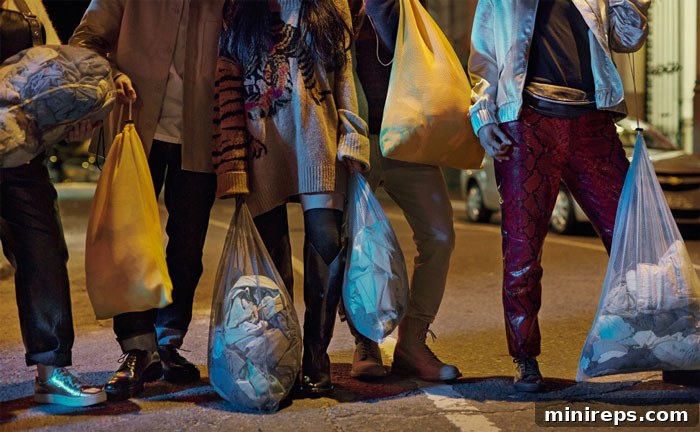
H&M’s innovative program accepts clothing and textiles from any brand, in any condition, year-round, at all their locations, rewarding customers with vouchers for their contributions.
The potential for giving back extends across various industries. A technology company, for instance, could organize a drive to collect old electronic devices such as phones, tablets, iPods, computers, cords, cables, and gaming consoles. These items can then be refurbished for those in need or responsibly recycled, addressing the growing challenge of e-waste. Alternatively, brands from any sector can opt to host a food drive, a simple yet impactful way to support local food banks and vulnerable families during the holiday season. The key is to select a charitable cause that genuinely aligns with your brand’s values, industry, or the community you serve.

Beyond the undeniable ethical benefits, leading a charitable initiative on Black Friday offers significant advantages for your brand. It strengthens community ties, enhances your corporate social responsibility (CSR) profile, and generates positive public relations. Such initiatives can differentiate your brand in a crowded market, attracting socially conscious consumers and fostering deeper customer loyalty. Furthermore, in many regions, these charitable contributions may even qualify for tax write-offs, providing an additional incentive for businesses to integrate philanthropy into their holiday strategies. By prioritizing purpose alongside profit, you can create a Black Friday experience that leaves a lasting, positive impression.
Cultivate a Family-Friendly Atmosphere
For many, Black Friday has become synonymous with a dilemma: do I chase exceptional deals or cherish quality time with my family during the Thanksgiving holiday? This perceived conflict often leads to guilt and resentment, tarnishing the shopping experience for consumers. Instead of contributing to this negative sentiment, brands have a powerful opportunity to redefine Black Friday by creating an inclusive, family-friendly atmosphere that embraces the holiday spirit rather than competing with it. By transforming your store into a welcoming hub for all ages, you can alleviate parental guilt and enhance the overall customer experience.
Imagine a retail environment where parents can shop at ease, knowing their children are happily engaged in festive activities. This approach not only encourages longer dwell times but also fosters positive brand associations, making your store a preferred destination for holiday shopping. To achieve this, consider offering a range of activities designed to entertain children while their parents browse. Popular options include a cozy children’s story reading corner, where holiday tales can captivate young imaginations, or a vibrant face painting station that adds a touch of festive fun. An arts and crafts station, providing supplies for creating holiday-themed decorations or cards, can also be a huge hit, allowing children to express their creativity.

Beyond these, think creatively about other attractions. A “make your own hot chocolate” bar, featuring various toppings, can provide a delightful treat for the whole family. Inviting a local school choir to perform holiday carols can add a magical touch, creating a festive ambiance that draws people in. Even a dedicated gift-wrapping station, staffed by cheerful assistants, can be a welcome convenience for busy shoppers. By offering these value-added experiences, you effectively challenge the traditional stigma of Black Friday as purely a day of consumerism. You create a memorable event that goes beyond mere transactions, positioning your brand as a community-minded establishment that understands and caters to the needs of modern families. This not only builds goodwill and loyalty but also generates positive word-of-mouth and shareable social media moments, making your Black Friday offering truly stand out.
Collaborate for Community on Small Business Saturday
Black Friday’s intense competitiveness often sees businesses locked in a race to offer earlier, bigger, and better deals than their rivals. While price competition remains a factor, a more innovative and community-centric approach can yield superior long-term results. Instead of viewing the holiday season solely as an arena for cutthroat competition, imagine redefining Black Friday, and the subsequent Small Business Saturday, as a powerful opportunity for collaboration and mutual support within your local community. Teaming up with other local brands allows you to create unique, value-driven experiences that resonate deeply with consumers seeking authenticity and local engagement.
This year, consider forging strategic partnerships with complementary businesses in your area. Such collaborations can expand your reach, introduce your brand to new customer segments, and collectively boost local commerce. The goal is to make the holiday shopping experience about more than just discounts; it’s about crafting a distinctive, share-worthy event that celebrates local talent and enterprise. By offering unique experiences that cannot be found online or in big box stores, you create compelling reasons for customers to visit your physical location and engage with multiple local businesses.

If you operate within the retail fashion or beauty space, for example, you could collaborate with local hairstylists, makeup artists, or even bespoke accessory designers to offer in-store makeovers or styling sessions. The partner salons and beauty brands benefit immensely from gaining exposure to your existing client base, showcasing their expertise and products directly to potential customers. Simultaneously, your brand benefits by significantly increasing customer dwell time in your store, enhancing the shopping experience, and generating buzz. Customers will be more likely to share their makeover experience on social media, creating authentic, organic promotion for both businesses.
For technology brands, a partnership with a local photo booth company could be a fantastic way to engage customers. Offer complimentary photoshoots with festive, Black Friday-themed props and backdrops. This provides entertainment for customers waiting in line or browsing and gives them a memorable keepsake. Ensure the photo booth prints and digital downloads feature subtle branding for both your company and the photo booth partner, creating lasting brand visibility. Other collaboration ideas could include partnering with a local coffee shop or bakery to offer complimentary refreshments, or teaming up with local artisans to host mini-workshops (e.g., jewelry making, calligraphy) right in your store. These events transform a simple shopping trip into a delightful and enriching experience.
Collaborative efforts on Small Business Saturday extend beyond individual transactions, contributing to the vitality of the local economy and strengthening community bonds. They foster a sense of mutual support, proving that businesses can thrive by working together rather than in isolation. This approach not only appeals to the growing consumer preference for supporting local enterprises but also crafts a truly distinctive and meaningful Black Friday/Small Business Saturday narrative. It’s about building a collective experience that customers will value, remember, and eagerly tell their friends about, setting your brand apart in the busiest shopping season of the year.
Which of these innovative ideas would you consider implementing to redefine your Black Friday strategy this year?