

In the vast and ever-expanding digital landscape, securing your online presence begins with a robust domain name. Choosing the right domain registrar is a critical decision, far beyond merely registering a web address. It’s about entrusting your digital identity to a partner that prioritizes security, reliability, and comprehensive support. While many registrars offer the fundamental service of domain registration, discerning the truly trustworthy from the merely functional requires careful consideration. Your primary focus should be on registrars with extensive industry experience and a broad spectrum of advanced security features. These elements are paramount for new domain registrations, seamless domain transfers, reliable website hosting, and overall digital asset management.
Before committing to any provider, it is imperative to conduct thorough research. Explore independent online reviews and expert analyses to gauge a registrar’s reputation and service quality. Understanding and implementing key security measures from the outset will safeguard your valuable domain names against prevalent cyber threats, preventing potential issues that could compromise your brand, data, and daily operations. Taking these proactive steps ensures a stable and secure foundation for all your online endeavors.
Fortifying Your Online Presence: Essential Domain Security Strategies
The digital realm is rife with evolving cyber threats, making domain security a non-negotiable aspect of any online venture, whether personal or business-related. A compromised domain can lead to devastating consequences, including data breaches, loss of customer trust, significant financial setbacks due to downtime, severe damage to your brand’s reputation, and costly recovery efforts. Proactive security measures are crucial to defend against malicious actors attempting to hijack, redirect, or otherwise misuse your domain assets. Failing to secure your domain properly is akin to leaving the front door of your business wide open.
To effectively mitigate these risks, every domain owner should be aware of and actively utilize a layered security approach. This comprehensive guide will delve into three indispensable security features that form the cornerstone of robust domain protection. By understanding and implementing these strategies, you can significantly enhance the resilience of your digital footprint against unauthorized access and malicious attacks.
1. Two-Factor Authentication (2FA): Your Digital Fortress
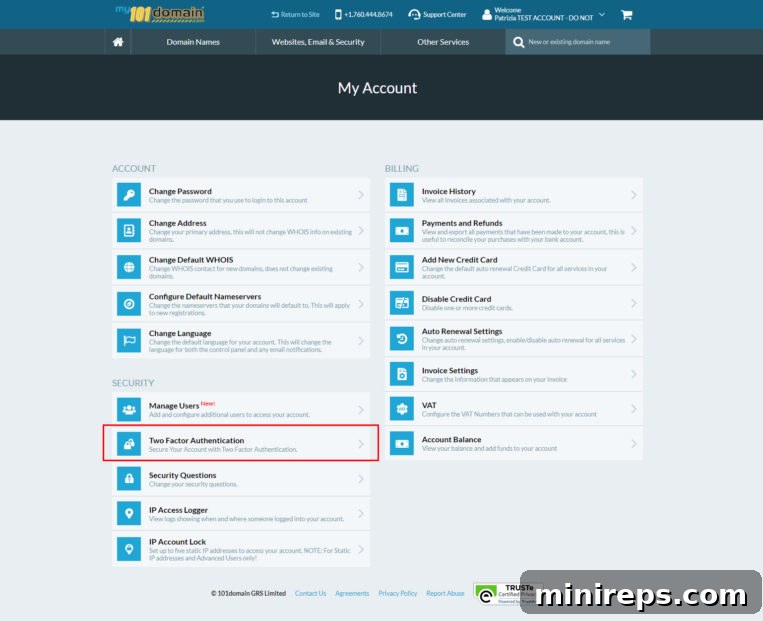
One of the most powerful and widely recommended security practices in the digital age is enabling Two-Factor Authentication (2FA), often referred to as two-step verification or multi-factor authentication (MFA). This critical security layer should be activated across all your sensitive online accounts, with particular emphasis on your domain name registrar and hosting provider. It is a fundamental requirement that your chosen registrar offers robust 2FA options for all user accounts; under no circumstances should you register or manage a domain with a company that lacks this essential protection.
2FA significantly enhances account security by requiring two distinct forms of identification before granting access. Unlike Single-Factor Authentication (SFA), which typically relies on just one piece of information like a password, 2FA demands something you know (your password) and something you have (like a code from your phone or a physical security key) or something you are (biometrics). Think of it like withdrawing money from an ATM: you need both your debit card (something you have) and your confidential PIN (something you know) to complete the transaction, providing a much higher level of assurance than relying on a PIN alone.
This layered approach drastically reduces the risk of unauthorized access, even if your password is stolen through common cyberattack vectors such as phishing scams, keyloggers, or widespread data breaches. Common 2FA methods include:
- SMS/Text Codes: A one-time passcode sent to your registered mobile number. While convenient, this method can be susceptible to advanced SIM-swapping attacks.
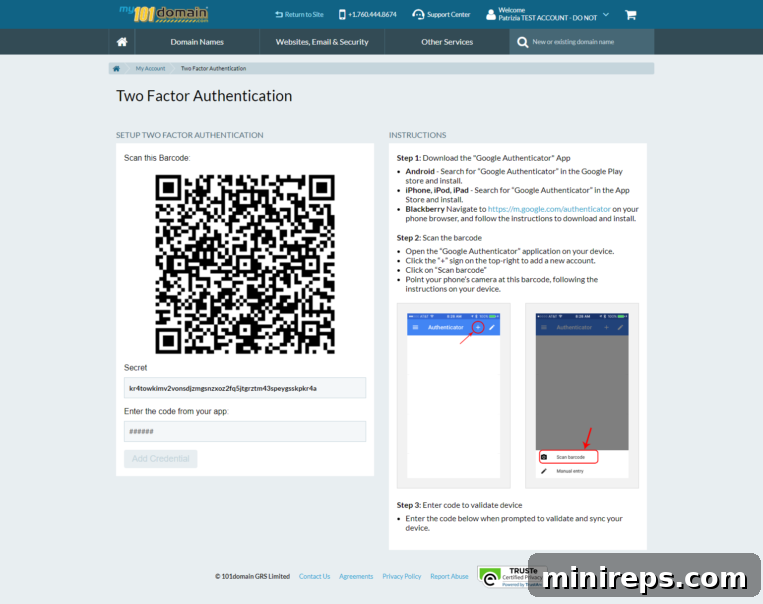
- Authenticator Apps: Applications like Google Authenticator, Authy, or Microsoft Authenticator generate time-sensitive, rotating codes, offering a higher level of security and independence from cellular networks compared to SMS.
- Hardware Security Keys: Physical devices such as YubiKey or Titan Security Key that plug into your computer’s USB port. These provide the strongest form of 2FA by cryptographically verifying your identity, making them virtually phishing-resistant.
- Biometrics: Fingerprint or facial recognition, integrated into many modern devices, adds a seamless and highly secure layer of authentication that leverages unique biological traits.
Implementing 2FA means that even if a cybercriminal obtains your password, they would still need physical or digital access to your second authentication factor to log into your domain account, rendering most password-based attacks ineffective. Always prioritize registrars that not only offer various 2FA options but also actively encourage their use and provide clear, user-friendly instructions for setup. This commitment to enhanced security is a hallmark of a reliable domain partner.
2. Multi-User Accounts: Secure Collaboration for Enhanced Domain Management
In today’s dynamic and collaborative business environment, it’s increasingly common for various team members, external consultants, or outside web developers to require some level of access to your domain registration account. However, sharing your primary, master login credentials poses a significant and often underestimated security risk. Every instance of sharing increases the potential for unauthorized access, human error, or even malicious intent, creating unnecessary vulnerabilities for your critical digital assets.
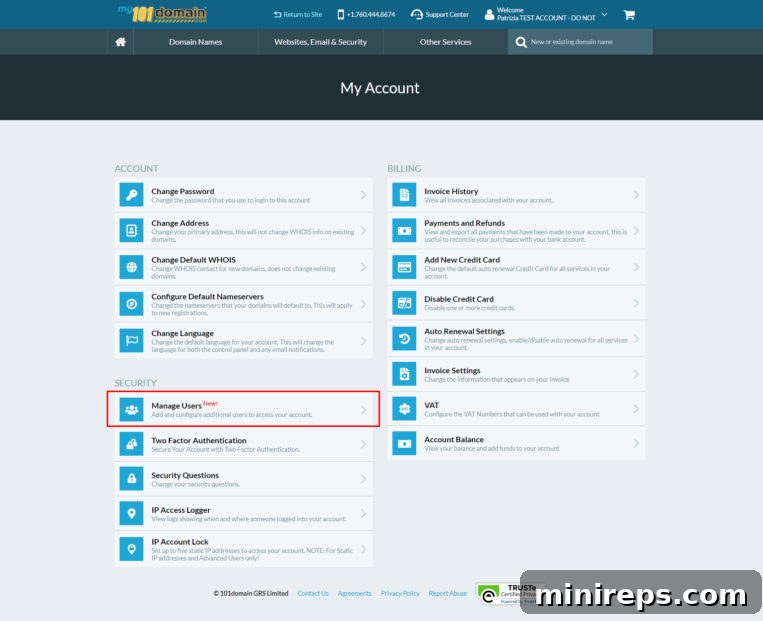
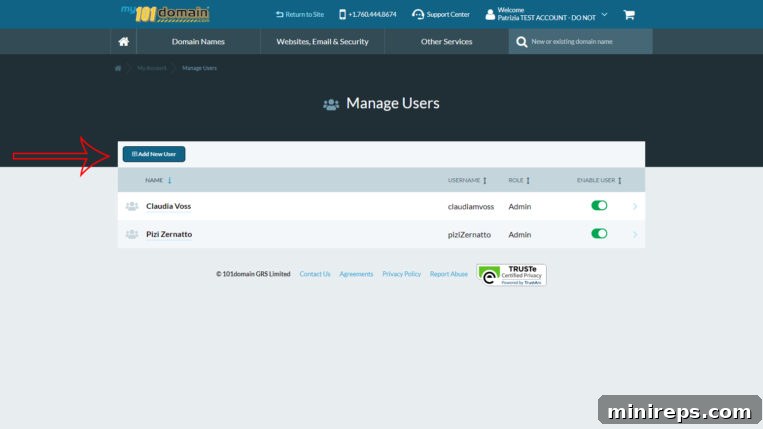
This is precisely where Multi-User Accounts become an invaluable tool for secure and efficient domain management. A robust multi-user account system allows the primary account owner to create designated sub-users, each granted varied and precisely controlled access to specific aspects of the account. This feature empowers account owners to establish granular, role-based permissions, enabling seamless team collaboration while simultaneously maintaining the highest level of security and accountability over their domain portfolio.
With a multi-user setup, you can precisely define what each team member or external contractor can see and do within your domain portfolio. For instance:
- Web Developers: Might only need access to DNS settings or nameserver management to configure website hosting or email routing, without the ability to transfer or delete domains.
- Billing Department: Can be granted access solely to view invoices, manage renewals, and update payment information, without touching critical domain configurations.
- Marketing Team: May require view-only access to domain lists for planning purposes or perhaps limited access to manage specific subdomains for campaigns.
- Junior Administrators: Could have broader privileges for routine tasks, but still fall short of the primary account owner’s full, unrestricted control.
- External Consultants: Can be given temporary, time-limited access for specific projects, which can be easily revoked upon completion.
This granular control ensures that individuals only have access to the specific tools and information necessary for their assigned tasks, thereby minimizing the risk of accidental changes or intentional misuse. Furthermore, it provides a clear audit trail, allowing the primary owner to track who made what changes and when, fostering greater accountability. Implementing multi-user accounts is the most secure and efficient way to facilitate teamwork, streamline workflows, and delegate domain management tasks without ever compromising your domain’s integrity. It eliminates the dangerous practice of sharing sensitive master login data, thereby significantly strengthening your overall domain security posture and enhancing operational efficiency.
3. Registry Lock: The Ultimate Defense Against Critical Domain Hijacking
Imagine the catastrophic scenario: your company’s primary domain name is stolen, or its configurations are maliciously altered, redirecting your website to an illegitimate or harmful site. Such an event, regardless of its cause, can result in severe embarrassment, substantial operational downtime, significant financial losses from lost sales and recovery efforts, and potentially profound legal liabilities. For businesses and organizations, especially those with high-value domains that are central to their brand identity and operations, protecting against domain hijacking is paramount.
Registry Lock, also sometimes referred to as Registrar Lock Premium or by its EPP status code “ClientHold” at the registry level, provides an unparalleled layer of security for your most critical domain assets. This advanced service significantly elevates the difficulty for anyone, even with unauthorized access to your registrar account, to make fundamental and critical changes to your domain. When Registry Lock is applied, it imposes rigorous, multi-party authorization checks for any significant modifications, transfers, or deletions of the domain name.
Here’s a more detailed explanation of how it works: for any sensitive operation (such as updating nameservers, changing ownership details, initiating a domain transfer to another registrar, or even deleting the domain), authorization is required from multiple designated contacts. This typically involves not just the domain registrant (you) and your domain registrar, but often also direct verification from the top-level domain (TLD) registry itself. This usually entails a manual, out-of-band verification process, which might include phone calls to pre-approved contacts, exchanging signed documents, or responding to specific verification questions. This meticulous process ensures that no single point of compromise—like a stolen password or a compromised email account—can lead to a domain takeover.
For large corporations, financial institutions, government entities, or any organization whose online presence is mission-critical, Registry Lock is an indispensable and often mandatory service. A perfect, cautionary real-world example is the 2013 incident where The New York Times’ nameservers were hijacked, redirecting its website. Had Registry Lock been in place for their domain, this attack would have been significantly more difficult, if not impossible, to execute due to the required multiple layers of manual verification. The specialized protocols and manual work involved in implementing and managing Registry Lock mean that registrars typically charge a higher annual fee, often ranging from $300 to $600 per year. However, when weighed against the potentially devastating financial and reputational damage and recovery costs associated with a hijacked domain, this investment is a small price to pay for ultimate peace of mind and robust brand protection.
Investing in Registry Lock demonstrates a proactive commitment to safeguarding your digital infrastructure, ensuring business continuity, and preserving stakeholder trust. It acts as the final, impenetrable barrier against the most sophisticated and damaging domain-related attacks, securing your brand at the very root of its online identity.

Choosing the Right Domain Registrar: Beyond the Basics
Selecting a domain registrar is a strategic decision that extends far beyond merely finding the cheapest option. It’s about choosing a reliable and secure partner for your long-term online success. To make an informed choice, consider these crucial factors:
- Comprehensive Security Features: As highlighted, robust Two-Factor Authentication (2FA), Multi-User Accounts with granular permissions, and the availability of Registry Lock for critical domains are non-negotiable must-haves.
- Reputation and Industry Experience: A long-standing history of reliability, transparency, and consistently positive customer reviews signals trustworthiness and expertise in domain management.
- Exceptional Customer Support: Access to knowledgeable, responsive, and readily available support is absolutely crucial, especially during critical incidents or when troubleshooting complex issues.
- Transparency in Pricing and Policies: Clear, upfront pricing, straightforward renewal policies, and unambiguous terms of service are vital to avoid hidden fees, unexpected charges, or unpleasant surprises down the line.
- Integrated Services: Many reputable registrars offer a comprehensive suite of services beyond basic domain registration, such as reliable web hosting, essential SSL certificates, professional business email, and privacy protection services. Consolidating these services can simplify your digital infrastructure management and enhance overall security.
- Ease of Use: An intuitive and well-designed control panel or dashboard can significantly improve your ability to manage your domains effectively and securely.
Perform due diligence by thoroughly researching potential registrars, checking their ICANN accreditation, and comparing their security offerings side-by-side. A registrar that proactively invests in robust security measures and provides user-friendly management tools is not just selling domains; it’s investing in the long-term security and success of your business’s future.
Proactive Steps for Every Domain Owner
While choosing a secure registrar and diligently utilizing their advanced features is paramount, domain security is also an ongoing responsibility that requires continuous vigilance from the owner. Consider integrating these proactive measures into your regular digital hygiene routine to maintain an ironclad defense:
- Regularly Review Security Settings: Periodically log into your registrar account to check for any unauthorized changes, review your active security settings, and ensure all configurations are up-to-date.
- Use Strong, Unique Passwords: Employ complex, lengthy passwords for your registrar account, ensuring they are distinct from those used for any other online service. Leveraging a reputable password manager is an invaluable tool for generating and securely storing these unique credentials.
- Keep Contact Information Updated: Ensure that all your domain’s WHOIS contact details, including administrative, technical, and billing contacts, are current and accurate. These details are often used for critical communications, verification processes, and in the event of domain recovery.
- Monitor Domain Activity: Be vigilant for any suspicious emails regarding your domain (e.g., unexpected transfer requests, renewal notices from unknown sources), and regularly review your domain’s DNS records and nameserver configurations for any unexpected or unauthorized alterations. Consider setting up domain monitoring alerts if your registrar offers them.
- Understand Renewal Policies: Familiarize yourself thoroughly with your registrar’s domain renewal process, grace periods, and expiration notifications. Preventing accidental domain expiration is crucial, as an expired domain can become vulnerable to opportunistic attackers or fall into the hands of competitors.
These security features, combined with diligent personal practices and a proactive mindset, form your first and most effective line of defense in protecting your invaluable domain name and the online presence it represents. Don’t leave your digital assets vulnerable to attack or oversight. Prioritize security, choose a dependable registrar that aligns with these best practices, and implement these robust safeguards to ensure the longevity and integrity of your online identity.
If your current provider falls short in offering these three essential layers of protection – Two-Factor Authentication, Multi-User Accounts, and Registry Lock – we strongly encourage you to explore transferring your domains to a registrar that truly prioritizes your security, such as 101domain. With specialized expertise and a comprehensive suite of advanced security tools, we can facilitate a smooth and secure transfer, ensuring your online presence is fortified against evolving cyber threats. Remember, it’s always better to be safe than sorry – secure your digital future today.