
Navigating the New Domain Landscape: WHOIS, GDPR, and Strategic Domain Management
The digital world constantly evolves, bringing new regulations that profoundly impact how businesses and individuals interact with online assets. Among the most significant changes for domain owners, brand managers, and legal professionals has been the advent of the General Data Protection Regulation (GDPR) and its subsequent effects on the WHOIS database. This comprehensive guide, based on insights from industry experts like Anthony Beltran, President of 101domain.com, and Sr. Corporate Services Executive Kimberly Darwin, delves into the complexities of enforcing, acquiring, and managing domains in this new GDPR-driven landscape. We will explore the shifts in domain acquisition and dispute resolution processes, such as UDRP, URS, and abuse complaints, highlighting the limitations on information availability and providing updated strategies for success.
Understanding GDPR: A Game-Changer for Data Privacy
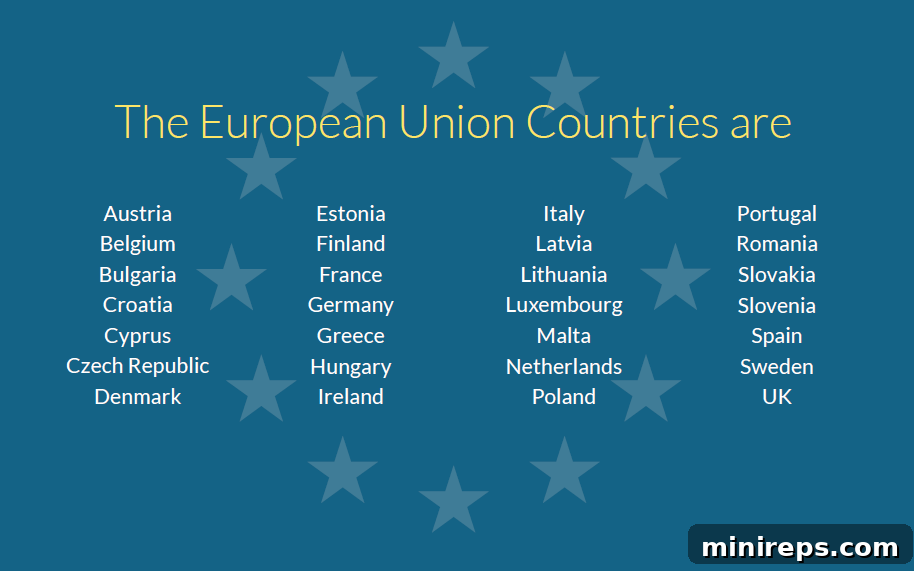
The General Data Protection Regulation (GDPR), enacted by the European Union, stands as one of the most stringent data privacy and security laws globally. Published in April 2016 and effective from May 25, 2018, GDPR significantly fortified existing EU data privacy laws. Its core purpose is to grant individuals greater control over their personal data, imposing strict rules on how organizations collect, process, and store Personally Identifiable Information (PII).
Key Principles of GDPR:
- Expanded Definition of PII: GDPR broadly defines PII to include names, addresses, phone numbers, email addresses, and even IP addresses, reflecting the pervasive nature of online tracking.
- Individual Rights: It grants individuals rights such as the right to access their data, the right to rectification, the right to erasure (the “right to be forgotten”), and the right to restrict processing.
- Transparency and Accountability: Companies must be transparent about data collection practices, detailing what PII is gathered, how it’s used, and with whom it’s shared. Data retention policies must also be tightened, only keeping data for legitimate business purposes.
- Extraterritorial Scope: While a European regulation, GDPR applies to any company processing the personal data of EU citizens, regardless of the company’s location. EU-based companies are often advised to apply GDPR standards across their entire customer base.
- Hefty Fines for Non-Compliance: Unlike previous regulations, GDPR carries substantial civil penalties for violations, driving widespread changes in corporate data handling practices, as evidenced by the wave of privacy policy updates seen across countless websites.
For domain registrars and registries, GDPR presented immediate challenges. As entities operating within the global digital ecosystem, they had to quickly adapt to these new directives, especially concerning the public availability of registrant data traditionally found in the WHOIS database.
The Evolving Landscape of the WHOIS Database
The WHOIS database, originally conceived for transparency in domain ownership, has undergone a radical transformation under GDPR. Historically, WHOIS provided a public record of domain registrants, including names, addresses, phone numbers, and email addresses for various contacts (registrant, administrative, technical, and billing). This information served multiple critical functions beyond mere ownership verification.
Traditional Uses of WHOIS:
- Trademark and IP Enforcement: Brand owners and legal practitioners heavily relied on WHOIS to identify potential infringers, combat cybersquatting, and research domain ownership for enforcement actions.
- Law Enforcement and Security: Government agencies and security firms utilized WHOIS data to track down culprits involved in illegal online activities, fraud, DDoS attacks, and other cybercrimes.
- Domain Acquisition: For those looking to acquire existing domain names, WHOIS offered a direct channel to contact the current owner.
- Abuse Complaints: It facilitated reporting fraud, malware, and other forms of abuse associated with a domain.
- Marketing (Problematic): Less scrupulous entities often mined WHOIS data for unsolicited marketing, leading to privacy concerns.
Post-GDPR WHOIS: Redaction and Limited Access
Following GDPR’s effective date, the Internet Corporation for Assigned Names and Numbers (ICANN), responsible for governing generic top-level domains (gTLDs), issued a “Temporary Specification.” This spec mandated the redaction of most PII from WHOIS records for individuals. The implications are profound:
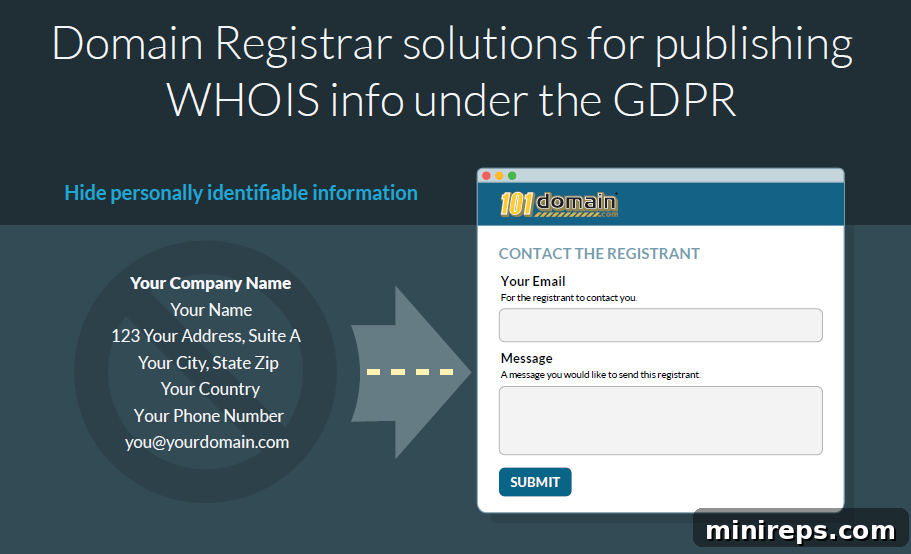
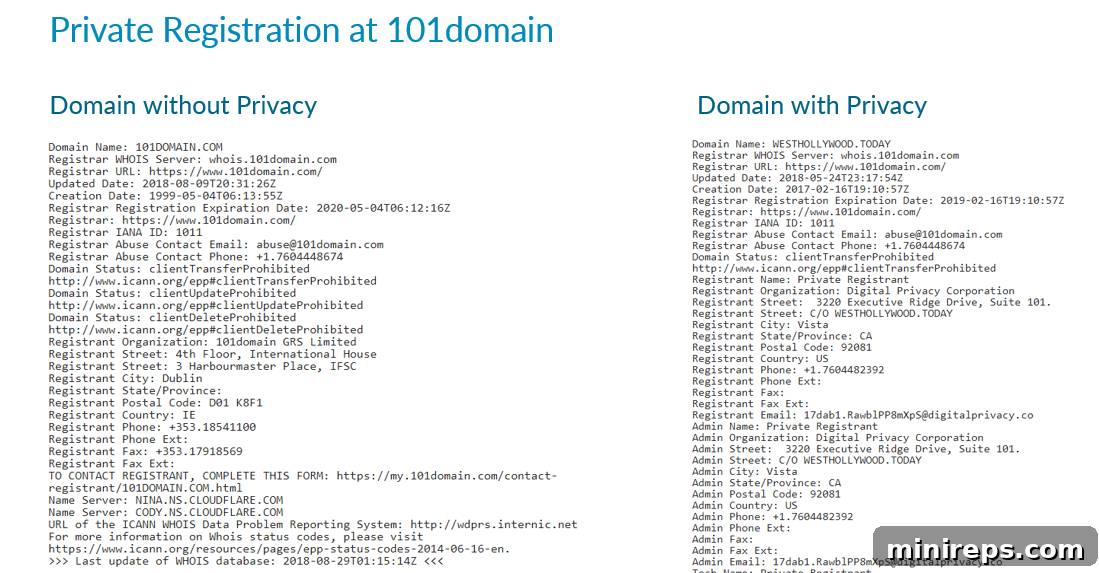
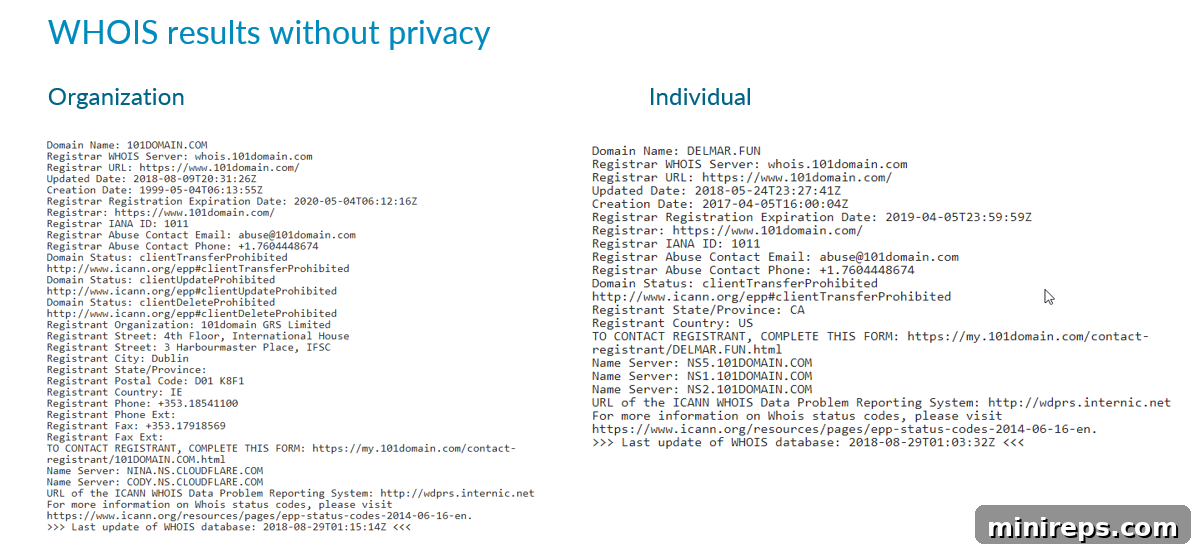
- Redaction of Individual PII: For individual registrants, nearly all personal contact information (name, address, phone, email) is now redacted. Instead of direct email addresses, registrars have implemented contact forms. These forms allow an inquirer to send a message to the registrant, but the registrant is under no obligation to respond, often leading to dead ends for those seeking contact.
- Organizational Data: For companies, some organizational data may still be visible, but email addresses are frequently redacted as they might link to an individual’s PII.
- Varied Implementations: Due to the rushed nature of the temporary spec, implementation varies widely across registrars and registries. Some have opted for full redaction across their entire customer base, especially EU-based entities. Others, particularly non-EU registrars, might only redact information for their EU customers.
- Country Code Top-Level Domains (ccTLDs): Many ccTLDs operate under their own rules and may not fully adhere to ICANN’s policies or GDPR regulations, leading to inconsistent WHOIS data availability globally. This creates a fragmented landscape where some ccTLDs still publish full WHOIS information in specific cases.
- Impact on Privacy Services: Interestingly, domains with privacy protection services in place might appear to have more accessible contact information. This is because the privacy service itself acts as a business entity, and its contact details (often a randomized email tied to the domain) may be published, as they do not constitute individual PII.
These changes have created a “Wild West” scenario for many professionals, forcing a re-evaluation of established practices for domain management and enforcement.
Challenges for Trademark and IP Enforcement
The redaction of WHOIS data has significantly complicated trademark and intellectual property (IP) enforcement, particularly for brand owners trying to combat infringement, cybersquatting, and counterfeiting.
UDRP and URS Processes:
The Uniform Domain-Name Dispute-Resolution Policy (UDRP) and Uniform Rapid Suspension System (URS) are critical mechanisms for trademark owners to dispute domain ownership, primarily applicable to gTLDs and some adopting ccTLDs. To win a UDRP, a complainant must prove three elements:
- The domain name is identical or confusingly similar to a trademark in which the complainant has rights.
- The registrant has no rights or legitimate interests in respect of the domain name.
- The domain name has been registered and is being used in bad faith.
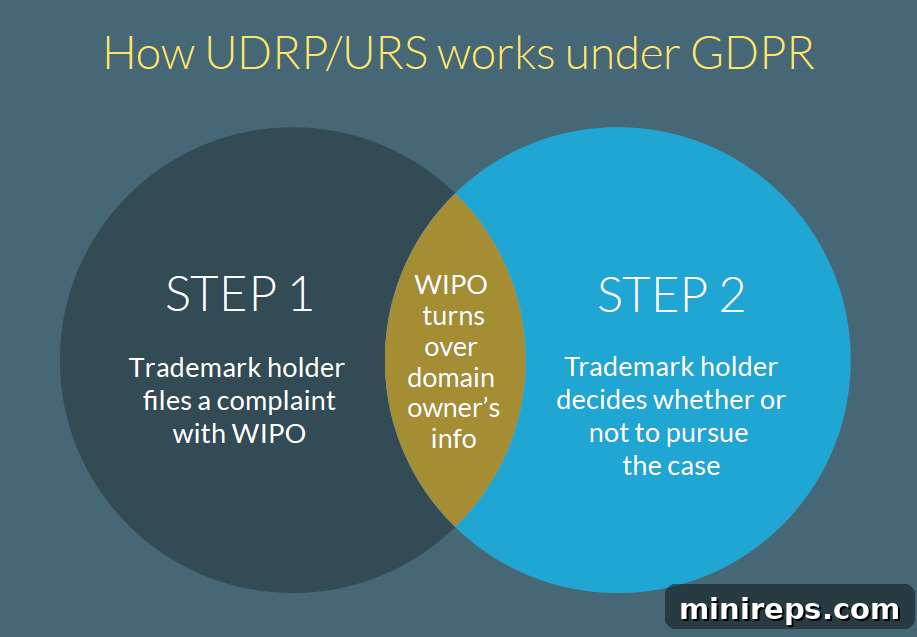
Proving the second and third points has become increasingly difficult post-GDPR. Without readily available WHOIS information, it’s challenging to research a registrant’s legitimate interest or their intent (bad faith) in registering a domain. For instance, determining if “bobsshoes.com” is genuinely owned by “Bob’s Shoes Inc.” for legitimate business purposes is now a formidable task. This often forces brand owners to file a dispute without complete information, hoping the registrar will disclose details once the process begins. This can lead to costly amendments if further research uncovers new facts, increasing time and financial burdens.
DMCA Takedowns and Cease & Desist Letters:
The Digital Millennium Copyright Act (DMCA) takedown process is another avenue for immediate cessation of infringing content. However, without direct access to registrant information, initiating a DMCA takedown becomes more complex. Brand owners must appeal to both the domain registrar and the hosting provider, each with their own varying policies and response times. Registrars and hosting providers are expected to act on abuse complaints, but the ability to directly serve a cease and desist letter to the alleged infringer is largely diminished, leaving brand owners with fewer direct options for preliminary action.
Strategic Domain Acquisition in the GDPR Era
For businesses and individuals seeking to acquire existing domain names, the redacted WHOIS database presents significant hurdles. Legitimate domain owners interested in selling their names are now harder to reach, complicating negotiation and acquisition processes.
Alternative Research and Contact Methods:
Given the limitations, “detective work” is increasingly necessary. This involves:
- Website Content Analysis: Examining the actual website linked to the domain for contact information, company names, or clues about the owner.
- Social Media Presence: Researching potential owners or associated brands on social media platforms.
- Historical Data (Limited Utility): While historical WHOIS data aggregators exist (e.g., DomainTools), their utility is diminishing as current data is redacted, and older data becomes less relevant.
- Reverse WHOIS/IP Lookups: Investigating if the registrant owns other domains that might have more publicly available information.
The Role of Domain Brokers:
In this challenging environment, domain brokers have become invaluable. With extensive networks and expertise, brokers can often identify domain owners or act as liaisons, facilitating contact without disclosing confidential PII. They understand domain ownership patterns and can navigate the complexities of contacting owners who may prefer anonymity or are otherwise difficult to locate directly. Engaging a broker can often circumvent the need for dispute resolution processes like UDRP/URS if an amicable acquisition is possible.
Tips for Domain Owners Wishing to Sell:
For domain owners who genuinely wish to sell their names, proactive steps are essential:
- Create a Landing Page: Instead of simply parking the domain, set up a simple one-page website with a clear contact form or sales inquiry. This provides a direct channel for interested buyers.
- Optimize for SEO: Add relevant content to the landing page to improve its visibility and help potential buyers find it through search engines.
- Consider Opt-In (When Available): While currently a gray area, the ICANN temporary spec includes provisions for an “opt-in” mechanism allowing registrants to consent to the publication of their personal information on WHOIS. When fully implemented and clarified, this could offer a straightforward way for sellers to make themselves visible to buyers.
The overarching takeaway is that while the direct route via WHOIS is largely gone, alternative strategies and expert assistance can still lead to successful domain acquisitions.
The Future of WHOIS: Towards a Gated Access Model
The “Temporary Specification” by ICANN was just that – temporary. The industry has been actively working towards a more permanent and standardized solution for WHOIS in the post-GDPR era. The prevailing consensus points towards a “gated WHOIS” model.
What is Gated WHOIS?
A gated WHOIS system would maintain a comprehensive database of all registrant information but restrict access to those records. Access would only be granted to parties demonstrating a “legitimate interest,” such as:
- Law enforcement agencies
- Intellectual property practitioners
- Government bodies
- Security researchers
Challenges of Implementation:
The primary challenge for a gated WHOIS system lies in defining and implementing a robust vetting process. Who determines what constitutes a “legitimate interest,” and how is that access securely managed and audited? In the interim, registrars and registries have had to develop their own policies for handling requests for redacted information. Currently, requests often require formal legal instruments like subpoenas or court orders, reflecting the caution exercised by domain industry players due to the significant GDPR fines.
Opt-In for Visibility:
Another crucial element for the future of WHOIS is the formalization of an “opt-in” process. This would allow individual domain registrants, particularly those looking to sell their domains or be publicly reachable, to voluntarily choose to have their personal information published in the WHOIS database. While mentioned in the temporary spec as something registrars should implement “as soon as practically possible,” a final specification is expected to mandate this with clearer timelines, offering a solution for legitimate sellers.
Diminishing Value of Historical Data:
Aggregators of historical WHOIS data, once valuable resources, are finding their utility waning. As current data is increasingly redacted, the historical records will eventually become outdated or incomplete, further emphasizing the need for new methods of information retrieval and contact.
The clear message is that the WHOIS database, as it was known, will not return to its previous form. This necessitates ongoing adaptation from all stakeholders involved in the domain ecosystem.
Expert Guidance and Navigating the New Landscape
In this complex and evolving domain landscape, proactive strategies and expert guidance are more critical than ever:
- Prioritize Private Registration: For clients with new products or services requiring secrecy, private registration remains a vital tool. However, it’s crucial to verify with your registrar if privacy services are available and effective for specific domain extensions under current regulations.
- Develop Robust Enforcement Strategies: Brand owners must adapt their IP enforcement strategies, preparing for more indirect routes like initiating UDRP processes even with limited initial information, or leveraging DMCA takedowns where applicable, understanding the variations in registrar and hosting provider policies.
- Utilize Domain Brokers for Acquisitions: For domain acquisition, engaging experienced domain brokers can significantly streamline the process, leveraging their networks and expertise to contact owners who might otherwise be inaccessible.
- Stay Informed: The domain industry continues to adapt to GDPR and refine WHOIS policies. Staying abreast of the latest developments from ICANN and major registrars is essential for effective domain management.
Navigating these changes requires a deep understanding of the regulatory environment and practical solutions. At 101domain, our team of experts is dedicated to providing advice and support for all your domain-related challenges, from acquisition and management to trademark enforcement in this new GDPR-compliant world.
Common Questions & Practical Solutions in the GDPR Era
Can SSL Certificate Issuers Access WHOIS Data?
Yes, SSL certificate issuers like DigiCert still have established processes for verifying domain ownership. Even with redacted WHOIS, mechanisms are in place, often involving registrars acting as intermediaries or leveraging the published email addresses from privacy services (where available) to facilitate communication and validation for SSL certificate issuance. The transition to a gated WHOIS model is expected to accommodate such legitimate verification needs.
First Steps for Dealing with Similar Domains?
If you discover a domain name similar to your own and cannot contact the owner directly via their website, it requires a multi-faceted approach. Explore social media, conduct thorough web searches for associated businesses or individuals, and consider reverse WHOIS lookups if any non-redacted information is found for other domains. Engaging a domain broker, who possesses extensive networks, can often be the most effective method for establishing contact and exploring options without resorting to formal dispute processes initially.
How to Send a Cease and Desist Letter with Redacted WHOIS?
Sending a cease and desist (C&D) letter has become significantly more challenging. Direct contact information is rarely available. Your primary avenues include:
- Registrar/Hosting Provider Abuse Channels: Submit an inquiry or C&D directly to the domain registrar and the hosting provider, citing their terms and conditions against trademark infringement. Many registrars, like 101domain, will forward the C&D to the registrant and may place the domain on hold if no response is received within a specified period (e.g., 15 days).
- Formal Dispute Proceedings (UDRP/URS): If direct contact fails, initiating a UDRP or URS proceeding is often the next step. The registrar is then compelled to disclose registrant information to the dispute resolution provider, enabling the process to move forward. This often means filing the dispute before having full contact details.
- Legal Orders: In some cases, a subpoena or court order may be required to compel registrars to release registrant information.
Note that policies vary widely, especially for smaller registrars or ccTLDs, requiring tailored approaches.
Why Do Registrars Allow Registration of Trademark Terms?
Registrars generally do not act as arbiters of trademark rights. It is not feasible for them to be knowledgeable about all registered trademarks globally. Their role is to facilitate domain registrations according to ICANN policies and specific registry rules. While registrars may have terms and conditions prohibiting trademark infringement, enforcement typically falls to trademark owners through dispute resolution processes rather than pre-emptive blocking by registrars. If a clear pattern of infringing registrations by a specific customer is identified, registrars may act based on their abuse policies.
Best Ways for Domain Owners to Sell Their Names?
With redacted WHOIS, domain owners looking to sell must be proactive:
- Dedicated Landing Page: Create a simple, appealing one-page website on the domain with a clear “for sale” message and a contact form. This allows interested buyers to reach you directly.
- Leverage Domain Brokers: Professional domain brokers specialize in connecting buyers and sellers and can discreetly market your domain to their network of interested parties.
- Utilize Opt-In Features: As registrars implement the WHOIS opt-in feature (allowing you to publish your PII voluntarily), use it to make yourself visible to potential buyers.
Are Domain Brokers Breaking GDPR Rules by Giving Out Personal Information?
Legitimate domain brokers typically do not “give out” personal information in violation of GDPR. Instead, they act as confidential liaisons. When a buyer expresses interest, the broker contacts the domain owner on the buyer’s behalf, facilitating communication and negotiation without disclosing the owner’s PII. Their role is to connect parties, not to unlawfully share data.
Is it Possible to Start a UDRP Proceeding Without Knowing the Respondent?
Yes, it is possible. In UDRP filings, you can often list the respondent as “The Registrant of [Domain Name]” if the specific name is unknown due to redaction. Once the dispute is formally filed, the registrar is usually required to disclose the registrant’s identity to the dispute resolution provider, allowing the proceeding to continue. This ensures that trademark owners still have a recourse despite WHOIS limitations.