
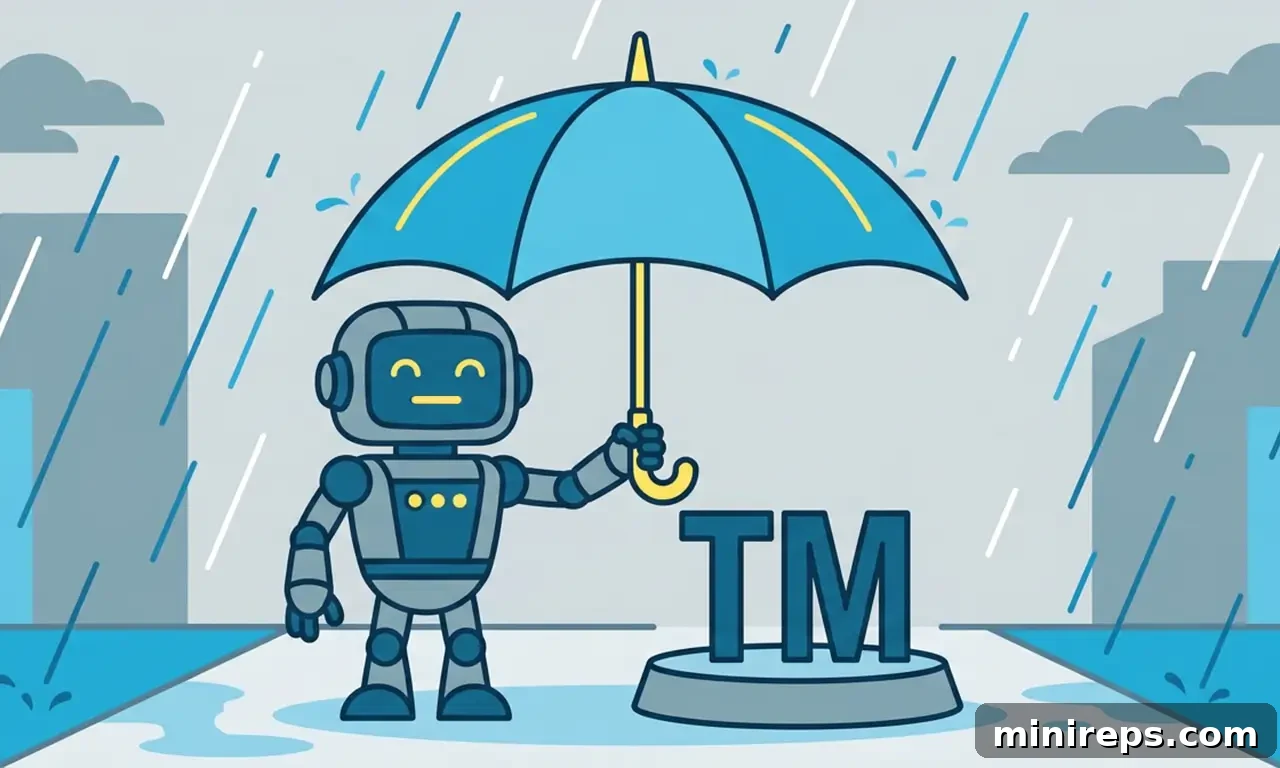

Domain abuse once followed a simple, opportunistic pattern: someone would register a variation of your brand name in a new top-level domain, exploit it for fraud or resale, and then wait for the brand to react. That approach was frustrating but relatively manageable. Today, however, the landscape has changed dramatically. The Brand Safety Alliance (BSA) highlights in its Domain Protection Report 2026 that AI-driven domain abuse represents a new, far more aggressive wave. This update is essential reading for brand protection teams still relying primarily on slow, manual review workflows.
How AI has changed domain abuse
Legal and industry experts emphasize a clear trend: bad actors are becoming significantly more sophisticated. Free tools and agentic AI have driven operational costs down, enabling automated large-scale domain registrations and coordinated phishing campaigns that require minimal human oversight.
Modern AI agents can register thousands of domains in parallel, swap brand names into templates, and spin up campaigns that run continuously. The speed and scale of these operations mean brand teams face hundreds or thousands of malicious registrations in the time it previously took to investigate a single incident.
At the same time, the expansion of the domain namespace and the popularity of keywords like “ai” and “crypto” are creating fertile ground for abuse. New generic top-level domains (gTLDs) and ongoing application rounds will further expand opportunities for bad actors to exploit brand names across many new suffixes.
Why detection alone is no longer enough
A central theme in the BSA report is that detection systems—especially those relying solely on AI—are increasingly prone to blind spots. Counterfeiters use obfuscation techniques such as pixelation, blurring, or subtle alterations to images and text that reduce similarity scores and evade automated detection. The same AI that enables abuse also creates gaps in the tools designed to catch it.
Because of these limitations, many organizations now use hybrid approaches that combine automated detection with human review. Manual analysis remains vital for identifying nuanced infringement or context-dependent fraud that AI models can miss. Relying only on one method leaves brands vulnerable.
What a modern domain protection strategy actually looks like
The report reframes the problem in financial terms: abuse is a business for criminals, and they manage it like business operators focused on return on investment. This shift in perspective is useful because it clarifies the objective of brand defense: reduce the profitability of abuse so that attackers move on to easier targets.
Brand protection is risk mitigation. The objective is not to stop every abusive domain at once, but to make your brand an unprofitable and unattractive target. Achieving that requires proactive prevention rather than reactive enforcement.
Effective protection means aligning legal, marketing, security, and finance teams. When brand protection operates in isolation, response capabilities and resource allocation are limited. A whole-of-organization approach ensures that decisions about prevention, monitoring, and enforcement balance reputation, customer trust, and cost implications.
Our recommendation for brand teams
- Monitor domain registrations proactively. Use experts and automated tools together to detect emerging patterns and early indicators of campaigns targeting your brand.
- Reduce reliance on enforcement. Invest in preventive measures that block or deter registrations before they become active threats, instead of relying solely on takedowns and litigation after the fact.
- Plan for new TLDs. As the domain namespace expands, brands that wait will remain reactive. Secure trademark validations for Sunrise periods and evaluate strategic options such as defensive registrations or applying for branded gTLDs to reduce exposure.
GlobalBlock by the numbers
GlobalBlock aims to prevent harmful registrations rather than react afterward. Since its launch in March 2024, the service has partnered with registry operators worldwide to create a unified domain blocking capability covering a large portion of the domain space. This approach reduces the need for extensive defensive portfolios and lowers ongoing enforcement burdens.
840+
Top-level domains covered
10M+
Domains protected
10,000+
Domains recovered via Priority AutoCatch
Priority AutoCatch plays an important role by acquiring domains that lapse or become available, preventing drop-catch services and aftermarket buyers from reclaiming them. This capability helps brands recover and retain control over high-risk names without excessive litigation or auction costs.
How GlobalBlock provides prevention at scale
Several organizations report that GlobalBlock and similar preventive services enable a reduction in large defensive portfolios and lower the annual carrying costs associated with domain ownership. By shifting to proactive blocking, brands see fewer abusive reports from monitoring services and experience a meaningful drop in enforcement actions.
For many companies, the result is a leaner enforcement process and a more manageable risk profile. Investing in prevention infrastructure raises the operational cost for attackers, reducing the likelihood that your brand will be targeted repeatedly.
Find out how much of your brand is currently exposed.
A Domain Vulnerability Report can show which domains containing your brand are already registered, which are available, and where coverage gaps remain. Such a report helps prioritize preventive actions and budget for protection that reduces future enforcement overhead.
Explore GlobalBlock ->