


In today’s digital landscape, email remains the backbone of business communication. However, it’s also a primary vector for cyberattacks, making robust email security more crucial than ever. To combat sophisticated threats like phishing, spoofing, and spam, four essential email authentication protocols stand as the pillars of a secure and trustworthy email ecosystem: SPF, DKIM, DMARC, and BIMI. This comprehensive guide will demystify each of these protocols, explaining their functions, their collective power, and why understanding them is vital for safeguarding your brand and ensuring email deliverability.
The digital communication frontier is constantly evolving, and recent mandates from industry giants like Google and Yahoo for stricter email standards highlight a critical shift. Businesses can no longer afford to overlook email authentication. For many, these terms – SPF, DKIM, DMARC, and BIMI – sound incredibly technical and daunting. This article aims to simplify these complex concepts, providing a clear understanding of how they function individually and, more importantly, how they interoperate to form a powerful defense against email-borne threats. By the time you finish reading, you will possess a solid foundational knowledge of these four main email authentication protocols, empowering you to confidently implement them within your organization and protect your most vital digital asset: your email communication.
Let’s dive into the world of email security and authentication.
SPF – Sender Policy Framework: The Foundational Layer
Security Level: Baseline
Sender Policy Framework, or SPF, is the bedrock of email authentication. Its primary mission is to combat email spoofing, a pervasive tactic where malicious actors send emails appearing to originate from a legitimate source. SPF achieves this by allowing domain owners to publish a list of authorized mail servers that are permitted to send emails on their domain’s behalf. This list is published as a TXT record in the domain’s DNS (Domain Name System).
When an email is sent, the recipient’s mail server performs a crucial check. It extracts the sender’s domain from the email’s “MAIL FROM” address (also known as the envelope sender) and then queries the DNS for that domain’s SPF record. The record contains a list of IP addresses or hostnames authorized to send mail for that domain. If the IP address of the server that sent the email matches one of the entries in the SPF record, the email passes the SPF check. If the sending IP is not authorized, the email may be flagged as suspicious, quarantined, or even rejected, depending on the SPF policy defined by the domain owner. By verifying the legitimate origin of an email, SPF significantly reduces the chances of fraudulent emails reaching inboxes, thereby enhancing email deliverability and protecting your domain’s reputation.
Implementing SPF is typically the first and easiest step in securing your email, yet its impact on preventing unauthorized use of your domain is profound. A correctly configured SPF record is crucial; an improperly configured one can ironically lead to legitimate emails being blocked.
DKIM – DomainKeys Identified Mail: Ensuring Message Integrity
Security Level: Strong
While SPF verifies the sender’s identity, DomainKeys Identified Mail, or DKIM, takes email security a step further by guaranteeing the integrity of the email content itself. DKIM ensures that an email has not been tampered with or altered in transit between the sender and receiver. It achieves this by adding a unique digital signature to every outgoing email.
Here’s how it works: When an email is sent from a DKIM-enabled server, a cryptographic hash of key parts of the email (including the header and parts of the body) is generated and encrypted using the sender’s private key. This encrypted hash, the DKIM signature, is then added to the email’s header. Concurrently, the domain owner publishes a public key in their DNS records. Upon receiving the email, the recipient’s mail server retrieves the sender’s public key from their DNS. It then uses this public key to decrypt the digital signature and re-compute the hash of the email’s content. If the re-computed hash matches the decrypted signature, it confirms two critical things: first, that the email indeed originated from the specified domain, and second, that its content has remained unaltered since it left the sender’s mail server. This robust verification process is instrumental in mitigating phishing attacks, detecting email forging, and solidifying the authenticity of your email communications, building greater trust with your recipients.
DMARC – Domain-based Message Authentication, Reporting, and Conformance: The Policy Enforcer
Security Level: Pro
Domain-based Message Authentication, Reporting, and Conformance, or DMARC, represents the pinnacle of email authentication, acting as the intelligent policy layer that integrates and builds upon both SPF and DKIM. Critically, you *must* have both SPF and DKIM properly configured for DMARC to function effectively. This multi-layered approach makes DMARC the most robust and essential of all email authentication protocols.
DMARC not only instructs receiving mail servers on how to handle emails that fail SPF or DKIM authentication but also provides valuable feedback to the sending domain owner. It introduces the concept of “alignment,” where the domain in the “From” header (what the user sees) must align with the domain verified by SPF (envelope sender) or DKIM (signing domain). If an email fails authentication *and* alignment, DMARC policies dictate the action to be taken:
- None (p=none): Emails that fail authentication are allowed to pass, but reports are still generated. This is often used during the initial monitoring phase.
- Quarantine (p=quarantine): Emails that fail authentication are sent to the recipient’s spam or junk folder.
- Reject (p=reject): Emails that fail authentication are outright rejected and not delivered to the recipient at all.
Beyond its policy enforcement capabilities, DMARC’s reporting feature is invaluable. It generates XML-based aggregate reports (RUA) and forensic reports (RUF) that provide domain owners with unparalleled visibility into their email ecosystem. These reports detail which mail servers are sending emails on behalf of their domain, which authentication checks are passing or failing, and why. This data is critical for identifying unauthorized senders, detecting potential email abuse, refining SPF and DKIM configurations, and progressively moving towards stricter DMARC policies. By maintaining control over their email streams, organizations significantly enhance email deliverability, protect their brand reputation, and drastically reduce the risk of successful phishing and spoofing attacks.
Need help navigating the complexities of DMARC implementation and monitoring? Let 101domain do all the heavy lifting with our Managed DMARC Services, ensuring your email security is robust and your domain protected.
BIMI – Brand Indicators for Message Identification: Visual Trust and Brand Recognition
The Gold Standard for Brand Trust
Brand Indicators for Message Identification, or BIMI, stands apart from the other three protocols because its focus extends beyond mere backend authentication to directly impact the recipient’s visual experience and foster immediate brand recognition and trust. While SPF, DKIM, and DMARC work behind the scenes to verify authenticity and integrity, BIMI brings the fruits of that labor directly to the user’s inbox.
By leveraging a successful implementation of SPF, DKIM, and DMARC (which is a prerequisite for BIMI), organizations can enable the display of their official, trademarked brand logo and, in many cases, a verified sender checkmark directly next to their authenticated emails in the recipient’s mailbox. This prominent visual indicator instantly helps recipients distinguish legitimate emails from trusted brands from potentially fraudulent ones. In a world saturated with phishing attempts, a familiar and verified logo offers immediate reassurance, leading to increased open rates, improved engagement, and a significant reduction in the risk of users falling victim to sophisticated phishing and impersonation schemes. BIMI transforms your email authentication efforts into a powerful tool for brand building and customer confidence, solidifying your brand as a symbol of trust and authenticity in the digital communication space.
Unlocking the full potential of your brand’s email presence is easier than you think. 101Domain can get BIMI set up for you quickly and easily, ensuring your logo shines brightly and your emails inspire confidence. Find out more about our BIMI implementation services.
The Synergy of Email Authentication: A Multi-Layered Defense
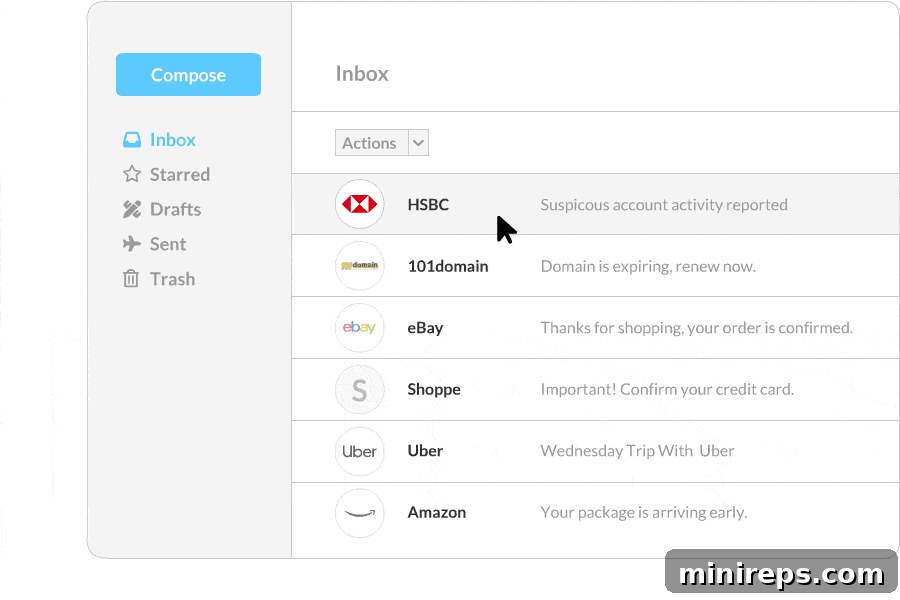
It’s crucial to understand that SPF, DKIM, DMARC, and BIMI are not isolated solutions but rather interlocking components of a comprehensive email security strategy. Each protocol addresses a different facet of email security, and their combined deployment creates an impenetrable shield against a wide array of threats:
- SPF (Sender Policy Framework): Acts as the bouncer at the door, ensuring that only authorized servers are allowed to send emails on behalf of your domain. It prevents unauthorized individuals from spoofing your domain as the sender.
- DKIM (DomainKeys Identified Mail): Functions as the tamper-proof seal, ensuring that once an email leaves your server, its content (headers and body) remains unchanged until it reaches the recipient. It verifies message integrity.
- DMARC (Domain-based Message Authentication, Reporting, and Conformance): Serves as the policy enforcer and intelligence hub. It dictates what receiving servers should do with emails that fail SPF or DKIM checks and provides invaluable reports that offer insights into your email traffic and potential abuse. It unifies SPF and DKIM enforcement.
- BIMI (Brand Indicators for Message Identification): Is the visual trust signal, leveraging the underlying authentication to proudly display your verified brand logo in the inbox, building immediate recognition and confidence with your recipients. It translates technical security into tangible user trust.
Together, these protocols form a formidable defense, significantly reducing the likelihood of your domain being exploited for phishing, spam, and other malicious activities. Implementing them demonstrates a commitment to security, protecting not just your recipients but also your brand’s reputation and bottom line.
Why Email Authentication is Non-Negotiable for Modern Businesses
The imperative for robust email authentication has never been stronger. In an era where cyberattacks are increasingly sophisticated, email remains the most common entry point for data breaches and scams. Here’s why implementing SPF, DKIM, DMARC, and BIMI is critical for every business:
- Enhanced Email Deliverability: Mailbox providers (like Gmail, Outlook, Yahoo) increasingly favor authenticated emails. Proper authentication significantly improves your chances of landing in the inbox rather than the spam folder, ensuring your critical communications reach their intended audience.
- Protection Against Phishing and Spoofing: These protocols make it far more difficult for malicious actors to impersonate your brand, protecting your customers and employees from deceptive emails designed to steal credentials or spread malware.
- Safeguarding Brand Reputation: A compromised email domain can severely damage trust and credibility. By preventing your domain from being used in scams, you protect your brand’s image and maintain customer loyalty.
- Improved Customer Trust: When recipients see a verified logo (via BIMI) or know that emails from your domain are authentically secured, their confidence in interacting with your communications increases.
- Compliance with Industry Standards: With major email providers setting stricter authentication requirements, compliance is no longer optional. Ignoring these standards can lead to severe deliverability issues.
- Visibility and Control: DMARC reports provide unparalleled insights into who is sending email on your behalf, allowing you to identify and mitigate unauthorized sending sources promptly.
Conclusion: Building a Secure and Trustworthy Email Ecosystem
SPF, DKIM, DMARC, and BIMI are not just technical acronyms; they are vital email authentication protocols that collectively contribute to a significantly more secure, reliable, and trustworthy email ecosystem. Each plays a distinct yet complementary role in fortifying your email communications against the myriad of threats prevalent in today’s digital landscape.
SPF provides the baseline by preventing domain spoofing, establishing authorized senders. DKIM adds a critical layer of security by attaching a digital signature to guarantee message integrity, ensuring emails haven’t been tampered with. DMARC then unifies these two, allowing organizations to set clear policies on how unauthenticated emails should be handled, while simultaneously providing invaluable reporting data for continuous monitoring and improvement. Finally, BIMI elevates the entire experience, transforming technical security into tangible brand recognition and trust by displaying your verified logo directly in the recipient’s inbox.
By diligently implementing and managing these protocols, organizations can achieve superior email deliverability, robust protection against sophisticated phishing and spoofing attacks, and establish their brand as a symbol of integrity and trust in the digital world. Embracing these standards is no longer an option but a necessity for any business serious about its cybersecurity posture and brand reputation.
Ready to fortify your email defenses and move towards DMARC compliance?
Start with the basics. Try our SPF Checker Tool today. It’s free, fast, and essential!