
In the vast digital landscape, a landing page serves as your crucial first impression, a digital handshake extended to potential customers worldwide. It’s often the very first interaction a visitor has with your brand after clicking a search result, a promotional link, or typing a URL directly. The effectiveness of this initial encounter can dictate whether a curious prospect delves deeper into your offerings or bounces away, potentially becoming a lost opportunity. A strategically designed, compelling landing page doesn’t just make a good impression; it actively drives engagement and can be the pivotal factor in converting a visitor into a valuable customer. Understanding and implementing high-converting landing page best practices is essential for anyone looking to optimize their digital marketing efforts and significantly boost their conversion rates.
Every page on your website can technically be a “landing page” – any point where a visitor “lands.” However, a true landing page, in the context of digital marketing, is a standalone web page specifically designed for a single objective, acting as a focused gateway for a marketing or advertising campaign. This distinction is critical because it dictates its design, content, and ultimate purpose. Unlike a typical webpage that might have multiple navigation options, a dedicated landing page funnels the visitor towards a solitary, clear goal. This singular focus is what makes them incredibly powerful conversion tools.
The Foundational Purpose: Defining Your Landing Page’s Goal
A successful landing page is never accidental; it is meticulously crafted with a specific, measurable objective in mind. Before a single pixel is placed or a word is written, you must clearly define what action you want your visitor to take. This singular purpose will inform every design and content decision that follows, ensuring that the page adds genuine value to the customer while guiding them towards a clear call-to-action (CTA).
Effective landing pages are designed to inspire visitors to take concrete actions, such as:
- Purchasing a Product or Service: Directing visitors to make a direct transaction, often for a specific item on promotion.
- Signing Up or Opting In: Encouraging newsletter subscriptions, free trial registrations, or creating an account.
- Downloading Resources: Offering valuable content like e-books, whitepapers, case studies, or templates in exchange for contact information.
- Donating to a Cause: For non-profit organizations, soliciting financial contributions.
- Registering for an Event: Securing sign-ups for webinars, workshops, conferences, or online courses.
- Requesting a Demo or Consultation: Capturing leads interested in learning more about complex services or products.
- Collecting Feedback: Directing users to surveys or feedback forms to gather valuable insights.
The clearer your objective, the more effectively you can design a page that removes distractions and streamlines the user journey towards that specific conversion goal. A good landing page makes it intuitively clear why the visitor should stay and what their next step should be.
Crafting an Unforgettable User Experience: The “Less is More” Philosophy
In the realm of high-converting landing pages, simplicity often reigns supreme. The “less is more” principle dictates that your page should be clean, focused, and free from unnecessary clutter. Every element on the page, from the text to the visuals, must serve the overarching purpose of guiding the visitor to the call-to-action.
Concise and Compelling Copy
One of the most critical elements of a high-performing landing page is its copy. It needs to be direct, benefit-driven, and persuasive without being overwhelming. The key is to convey your message with the minimum amount of text required to clearly communicate your value proposition. Long, dense blocks of text are notorious for intimidating visitors and causing them to abandon the page prematurely. Your copy should include:
- A Powerful Headline: This is your visitor’s first impression of your offer. It should be captivating, clearly state the primary benefit, and ideally match the headline of the ad or link that brought them to the page (message match).
- Clear Subheadings: Break down information into digestible chunks, making the page scannable and easy to understand at a glance.
- Benefit-Oriented Body Text: Focus on what the user will gain, not just the features of your product or service. Address their pain points and offer your solution.
- Call-to-Action (CTA) Copy: Use action-oriented language that instills urgency or excitement, such as “Get Your Free E-book,” “Start My Free Trial,” or “Claim Your Discount Now.”
Remember, the goal is to get to the point quickly and guide the visitor toward the conversion, not to overload them with information that could lead to indecision or distraction.
Strategic Design for Focus: Ditching the Navigation
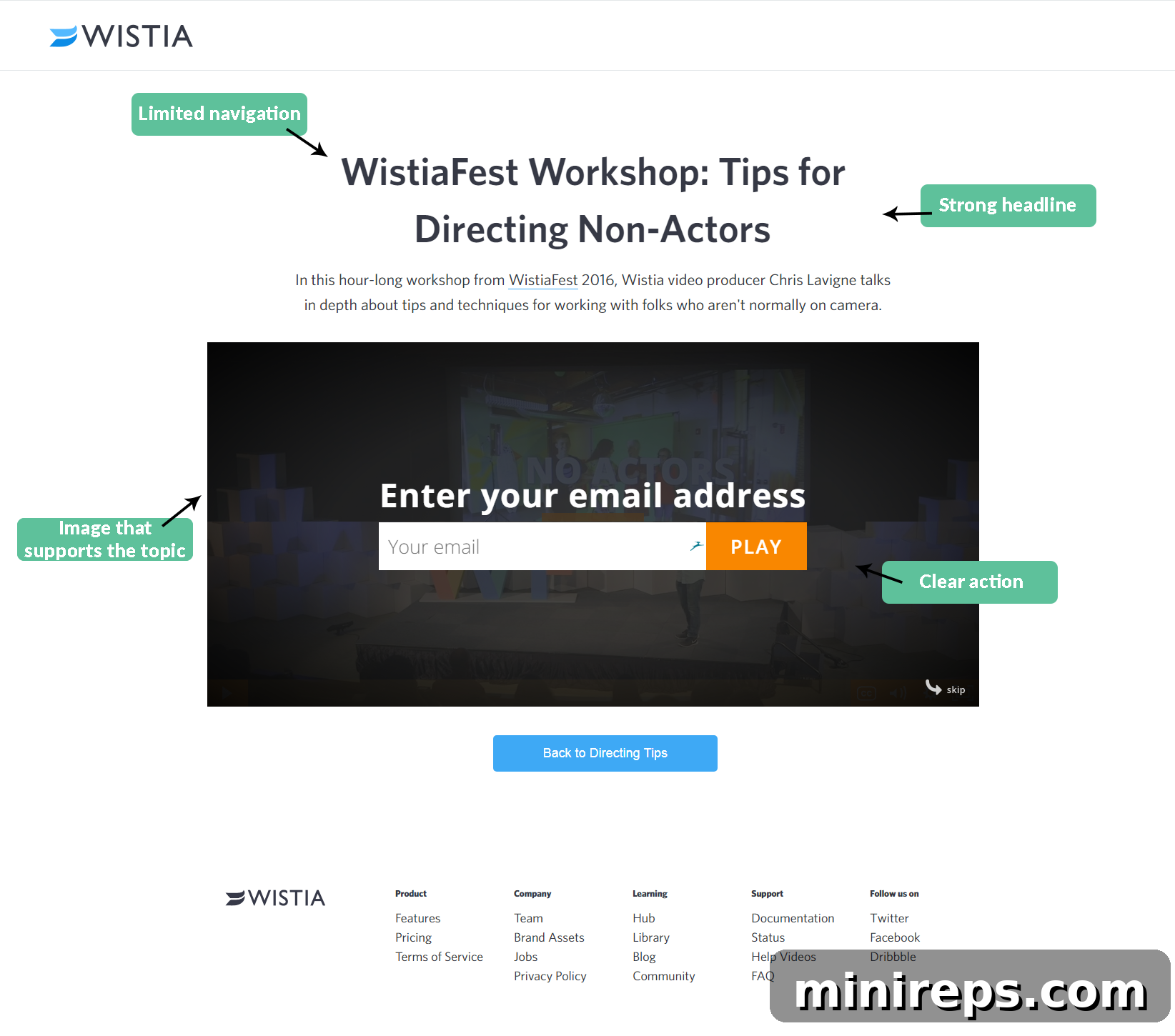
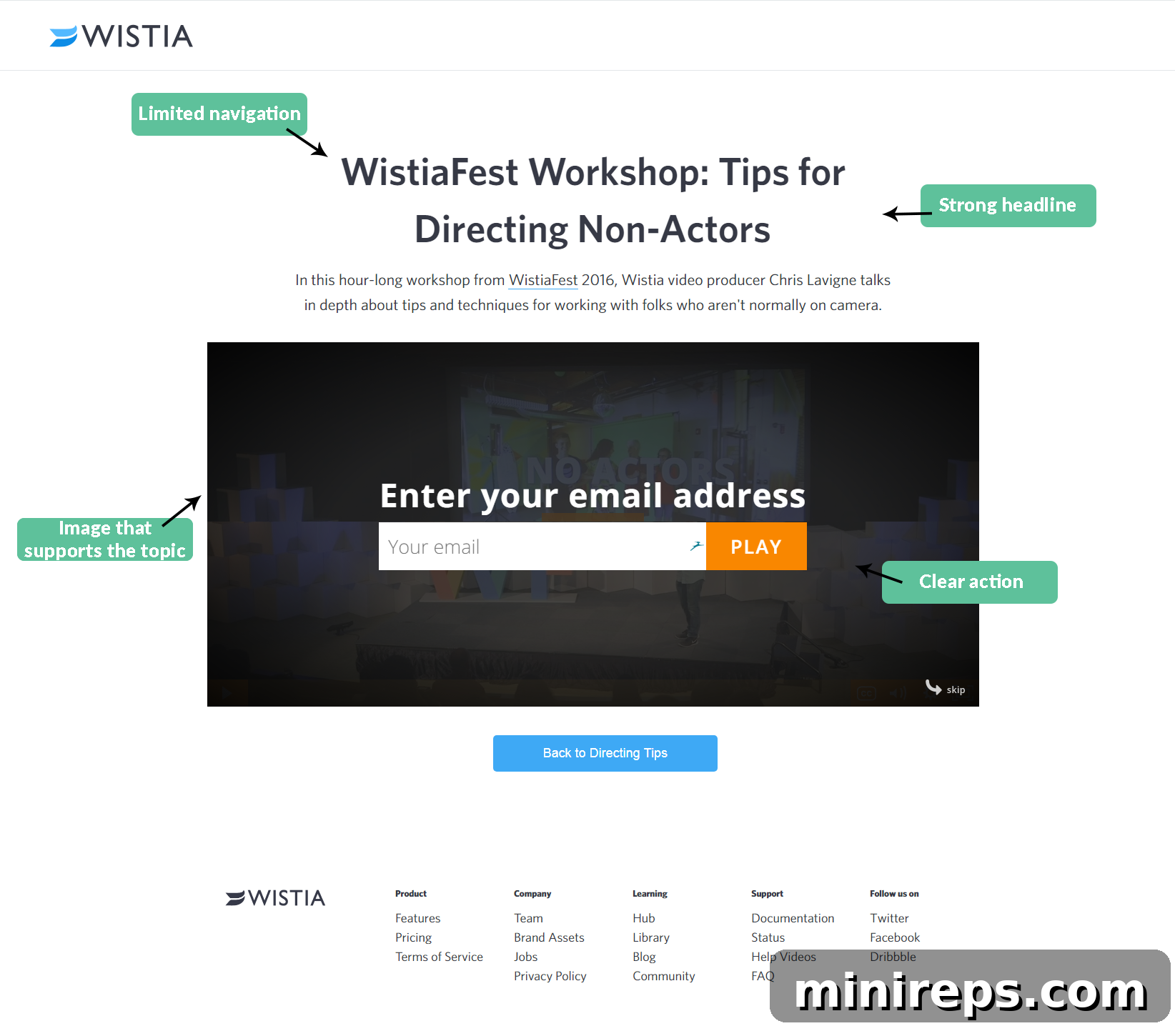
A hallmark of effective landing page design is the intentional removal of traditional website navigation menus. Unlike a general website page where exploration is encouraged, a landing page is a guided experience. You want your visitors to be laser-focused on the primary action you’ve defined, without being tempted by links to “About Us,” “Services,” or “Blog” sections. Minimizing external links and eliminating site-wide navigation reduces choice paralysis and keeps the visitor’s attention squarely on the unique value proposition and the call-to-action. Some of the best landing pages are entirely standalone, not even integrated into the main site’s navigation structure, ensuring an uninterrupted conversion path.
Seamless Integration with Marketing Campaigns
Landing pages are not isolated entities; they are integral components of broader digital marketing strategies. They serve as the dedicated destination for specific campaigns launched via email marketing, pay-per-click (PPC) ads, social media promotions, or affiliate marketing. For optimal performance, there must be a strong “message match” between the ad or email that funneled the visitor to the landing page and the page’s content itself. This consistency reassures the visitor that they’ve landed in the right place, reinforcing their initial interest and trust. Many landing pages are created solely for tying together special events, seasonal promotions, or exclusive offers, providing a specific, relevant destination for targeted traffic.
Brand Consistency and Trust
Consistency is paramount for building brand recognition and trust. Your landing page should seamlessly align with your overall brand guidelines, reflecting the same visual identity and tone of voice as your main website and other marketing materials. This includes consistent use of fonts, color schemes, imagery, spacing, and brand messaging. A cohesive brand experience across all touchpoints strengthens credibility, reassures visitors, and reinforces professionalism, all of which contribute positively to conversion rates.
The Value Exchange: Gated Content and Lead Generation
One of the most powerful applications of landing pages is for lead generation, specifically through the strategic exchange of valuable resources for personal data – often referred to as “gated content.” The debate around gated content often centers on whether all content should be freely accessible to establish thought leadership versus the necessity for businesses, especially small businesses and startups, to acquire leads to grow. While some argue that content should be so exceptional that visitors willingly seek out your CTA by choice, the reality for many is that a well-executed gated content strategy can be incredibly effective for building a robust lead pipeline.
Visitors are more likely to provide their contact information if they perceive a significant and tangible value in return. The “gate” must lead to a reward that is worth the small effort of filling out a form. When done correctly, landing pages are a proven way to generate high-quality leads, allowing you to nurture relationships and guide prospects through your sales funnel.
Valuable content you can exchange for contact information typically includes:
- Webinars and Exclusive Presentations: Live or recorded sessions offering expert insights, tutorials, or deep dives into industry topics.
- Comprehensive E-books and In-depth Case Studies: Detailed guides, research reports, or success stories that provide actionable information.
- Free Trials or Demos of Your Service: A limited-time offer to experience the full functionality of your product, enticing users to convert to paid subscriptions.
- Giveaway and Contest Entries: The chance to win a desirable prize, generating excitement and a large volume of leads.
- Event Sign-ups and RSVPs: Registration for physical or virtual events, from conferences to workshops.
- Exclusive Templates or Tools: Practical resources that solve a specific problem for your target audience.
To maximize conversions for gated content, ensure your landing page clearly articulates the benefits of the resource, showcases its value, and employs a simple, unobtrusive lead capture form that asks only for essential information. Transparency regarding how their data will be used (e.g., linking to a privacy policy) also builds trust.
Essential Elements of High-Converting Landing Pages
Beyond the core principles, several key components consistently appear in high-performing landing pages:
- A Unique Value Proposition (UVP): Clearly articulate what makes your offer unique and why the visitor should choose you over competitors. This should be evident immediately upon arrival.
- Compelling Visuals: High-quality images, relevant videos, or infographics can significantly enhance engagement and explain complex ideas quickly. Ensure visuals are optimized for fast loading and are mobile-friendly.
- Trust Signals: Include testimonials, customer reviews, recognizable client logos, security badges, and privacy policy links to build credibility and reassure visitors. Social proof is a powerful motivator.
- Mobile Responsiveness: With a significant portion of web traffic coming from mobile devices, your landing page must be fully responsive, offering an optimal viewing and interaction experience across all screen sizes.
- Fast Loading Speed: Page load time directly impacts bounce rates and SEO. Optimize images, leverage browser caching, and minimize code to ensure your page loads quickly.
- Clear and Prominent Call-to-Action (CTA): Your CTA button should stand out visually (contrasting colors), use action-oriented text, and be strategically placed above the fold and potentially repeated further down the page.
- Streamlined Lead Capture Forms: If you’re collecting information, keep your forms as short as possible, asking only for necessary fields. Too many fields can deter completion.
Advanced Optimization Techniques for Continuous Improvement
The journey to a perfect landing page is iterative. Continuous testing and optimization are crucial for maximizing conversion rates and getting the most out of your marketing spend.
- A/B Testing: Regularly test different elements of your landing page, such as headlines, CTA button text and color, imagery, form length, and even the overall layout. Small changes can often lead to significant improvements in conversion rates.
- Heatmaps and Session Recordings: Tools that show where users click, scroll, and spend their time, or even record their entire session, provide invaluable insights into user behavior and potential friction points on your page.
- Personalization: Where possible, tailor the landing page content (e.g., headlines, offers) based on the user’s source, demographic data, or past interactions to make the experience more relevant and compelling.
- Analytics Integration: Utilize tools like Google Analytics to track key performance indicators (KPIs) such as conversion rate, bounce rate, time on page, and traffic sources. Analyzing this data helps you understand what’s working and what needs improvement.
Inspiring Landing Page Examples
Examining successful landing pages can provide valuable insights and inspiration for your own designs. These examples showcase various strategies for achieving clear objectives, utilizing compelling visuals, and streamlining the user journey.
H.Bloom – Elegant Simplicity
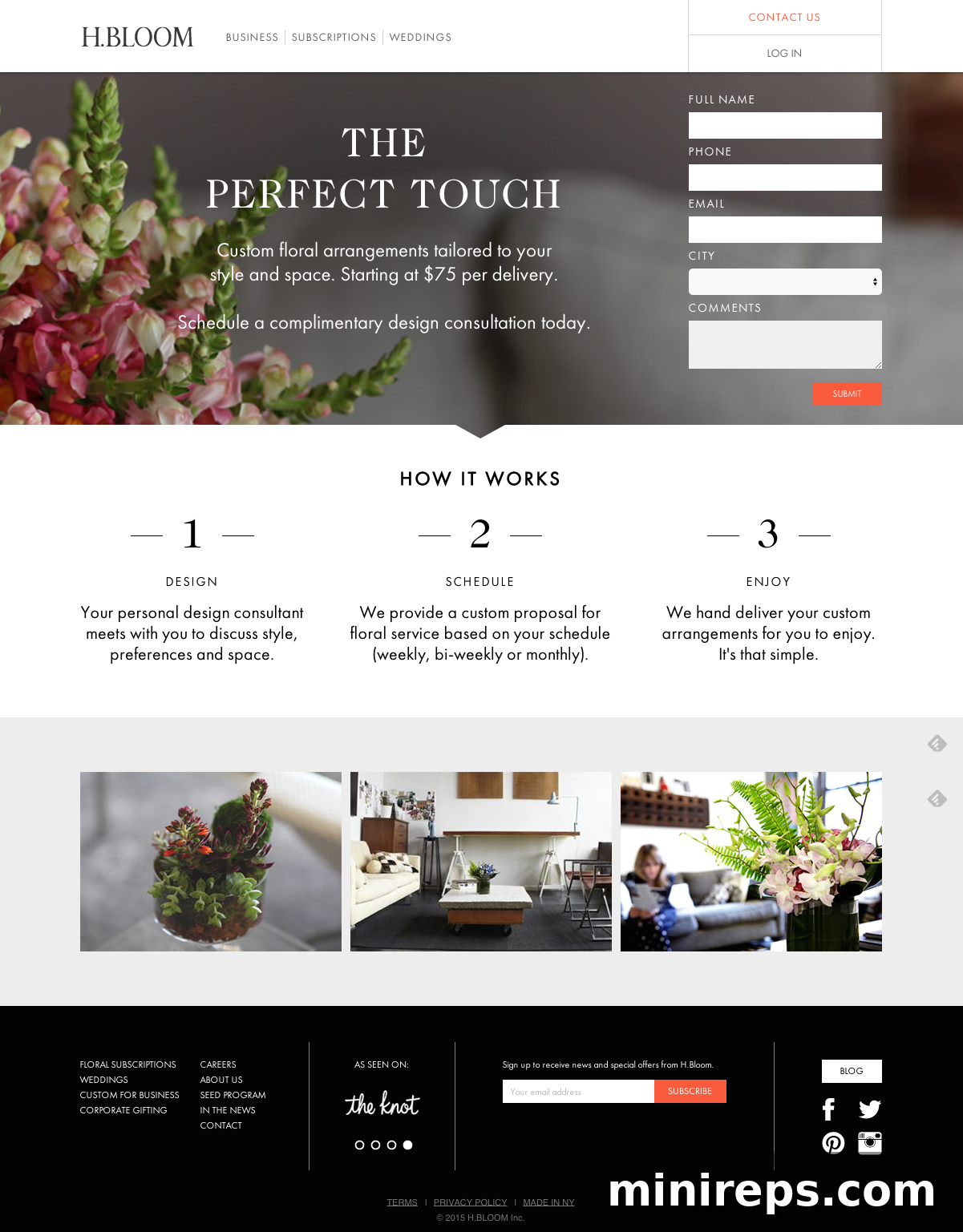
H.Bloom, a luxury floral and plant service, exemplifies elegant simplicity on their landing page. Their design focuses on high-quality visuals, minimal text, and a clear, upscale brand aesthetic, effectively communicating their premium service and encouraging engagement without overwhelming the visitor.
Indeed – Direct and Action-Oriented
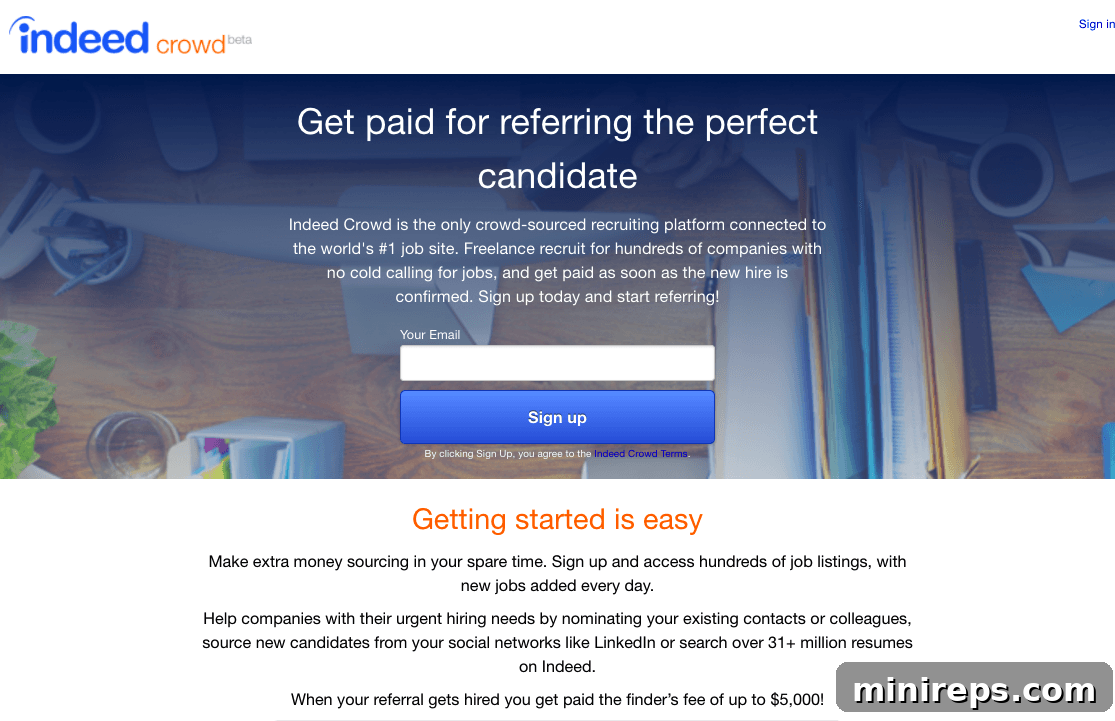
Indeed, a leading job search platform, employs a highly functional and direct landing page. Its primary focus is on immediate action – searching for jobs or finding talent. The page uses clear input fields, prominent search buttons, and minimal distractions, ensuring visitors can quickly take their desired action without confusion. The design prioritizes usability and efficiency for its diverse user base.
101domain – Targeted Services
101domain demonstrates the power of targeted landing pages, particularly for niche client segments. For instance, their dedicated landing page for .BANK domain clients offers a highly specific value proposition. This approach ensures that visitors arriving from tailored campaigns find content and services directly relevant to their unique needs, enhancing trust and conversion potential for specialized offerings.
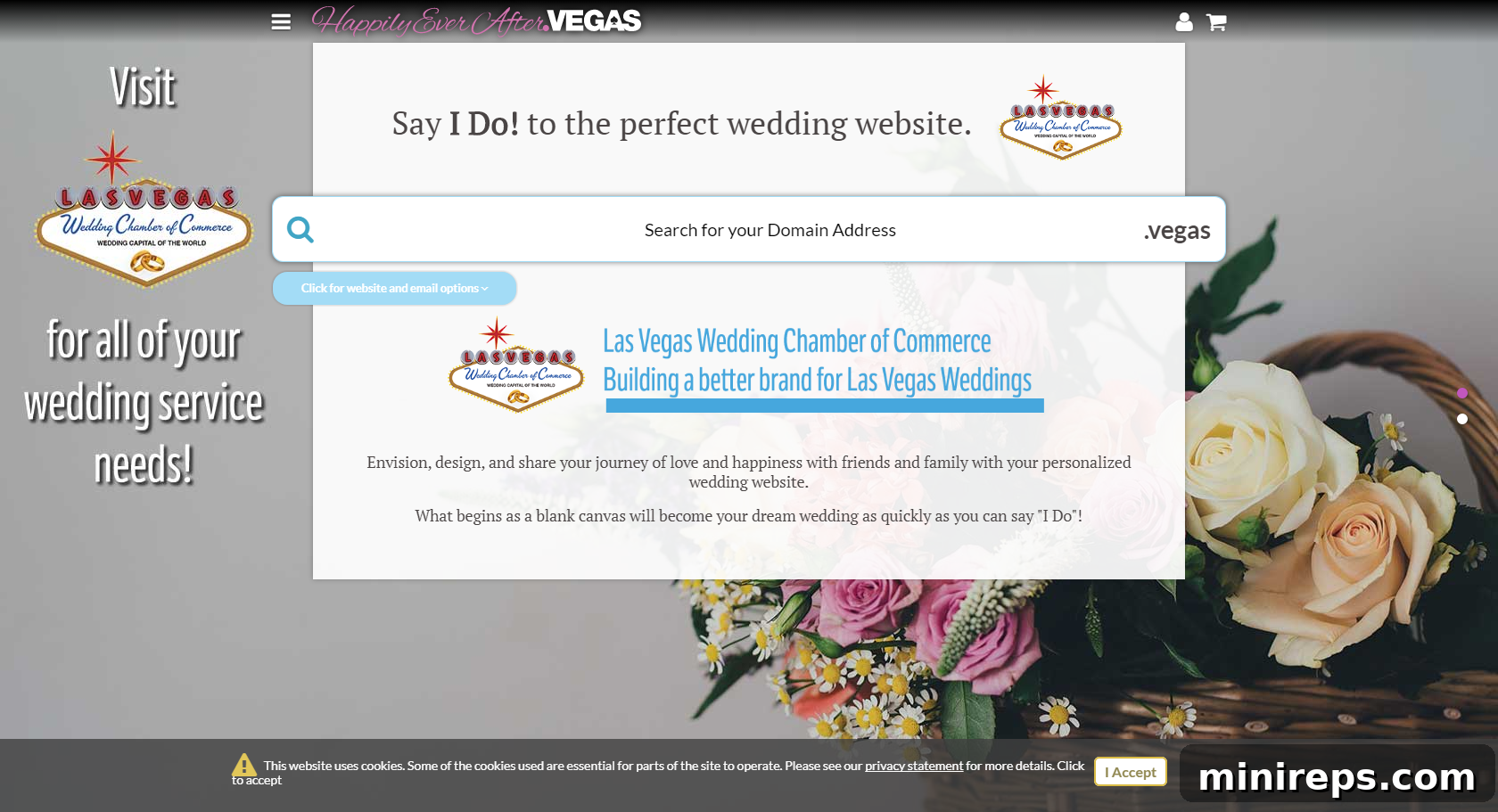
Domain Investor Landing Page Examples
Even in the specialized world of domain investing, effective landing pages play a crucial role in showcasing assets and facilitating transactions. These examples highlight how domain owners utilize simple yet impactful designs to attract potential buyers.