


In the past decade, web development has transformed from a niche specialization into a foundational skill set widely adopted across various technical sectors. This widespread adoption has coincided with a growing trend among companies to outsource their coding projects, opting for the flexibility and cost-efficiency offered by freelance developers or offshore units. While this strategy offers numerous benefits, it also introduces a unique set of challenges, particularly concerning cybersecurity and data integrity.
Navigating the Security Trade-Off with Outside Web Developers
The decision to employ a team of outside web developers, while strategically sound for many organizations, inherently amplifies web application security risks. The very nature of remote collaboration means these professionals will require access to internal systems and sensitive data, often traversing the open internet. This expanded perimeter significantly increases an organization’s vulnerability to potential cyberattacks, even when dealing with developers who have the best intentions. Beyond the direct threat of malicious actors, there are risks associated with unintentional data exposure, compliance breaches, and the protection of intellectual property.
This comprehensive guide will delve into the critical security practices that every organization must prioritize when initiating a new development project involving external talent. By implementing these measures, businesses can harness the advantages of outsourcing without compromising their digital assets and operational integrity. We will explore strategies for vetting developers, securing communication channels, managing access permissions, controlling deployment processes, and safeguarding network connections.
1. Meticulously Select the Right Outside Web Developers
A common pitfall for many companies is to base their hiring decisions for freelance or contract outside web developers solely on technical resumes or a list of acquired skills. While it seems logical to seek a candidate specializing in Java with an Oracle database backend for a project built on those technologies, a more holistic and security-centric approach is crucial. Technical proficiency is non-negotiable, but it must be coupled with a demonstrated commitment to security best practices.
Before entrusting significant responsibilities, you must thoroughly evaluate a candidate’s overall profile. Demand a comprehensive portfolio showcasing their coding work on similar projects. This portfolio should not only demonstrate functionality but also reveal their approach to secure coding, error handling, input validation, and adherence to industry standards. Cybersecurity experts within your organization should meticulously review these code samples to verify that the individual consistently follows secure development lifecycle (SDLC) principles. Beyond code, conduct security-focused interviews to assess their understanding of common vulnerabilities like the OWASP Top 10, data privacy regulations (e.g., GDPR, CCPA), and their experiences in mitigating security incidents. Furthermore, thorough background checks and reference verification are essential, with specific inquiries about their reliability and security practices from previous clients. This comprehensive vetting process forms the first and most critical line of defense.
2. Unify Communication and Data Transfer on a Single Secure Platform
Dispersed data sharing between internal staff and freelance developers represents another significant area of vulnerability. When this exchange occurs over disparate channels across the open internet, the risk exposure multiplies exponentially. Consider a scenario where external developers prefer using their personal cloud storage accounts, such as Dropbox or Google Drive. As a project leader, you face the daunting task of determining the security posture of each individual account, often leading to unmanageable shadow IT environments and potential data loss.
The strategic imperative is to mandate that all communications, file transfers, and code submissions from outside developers funnel through a single, centrally managed, and inherently secure platform. This approach simplifies tracking, auditing, and enforcing security policies. Solutions can range from implementing secure DNS with Cloudflare for foundational web traffic protection to leveraging dedicated, enterprise-grade collaboration tools like Microsoft Teams or Slack channels, which offer robust built-in security features, end-to-end encryption, and granular access controls. Version control systems like Git, hosted on platforms like GitHub Enterprise or GitLab, also serve as secure conduits for code collaboration. By centralizing all project-related activities and data within a controlled environment, organizations gain enhanced visibility, maintain detailed audit trails, and can enforce consistent security protocols. This unified approach is especially beneficial for performance tracking and ensuring compliance with contractual agreements, especially when compensating contractors based on task completion milestones.

3. Strictly Adhere to the Principle of Least Privilege (POLP)
When onboarding outside web developers, there’s a natural inclination to remove all potential roadblocks, providing them with extensive access to networks, servers, and applications to maximize efficiency. This can manifest as granting full administrative privileges, a seemingly convenient solution to expedite their work. However, this practice represents a severe cybersecurity misstep and dramatically elevates risk. Over-provisioning administrative access is a primary vector through which cyberattacks and data breaches often occur, providing attackers with an expansive surface to exploit.
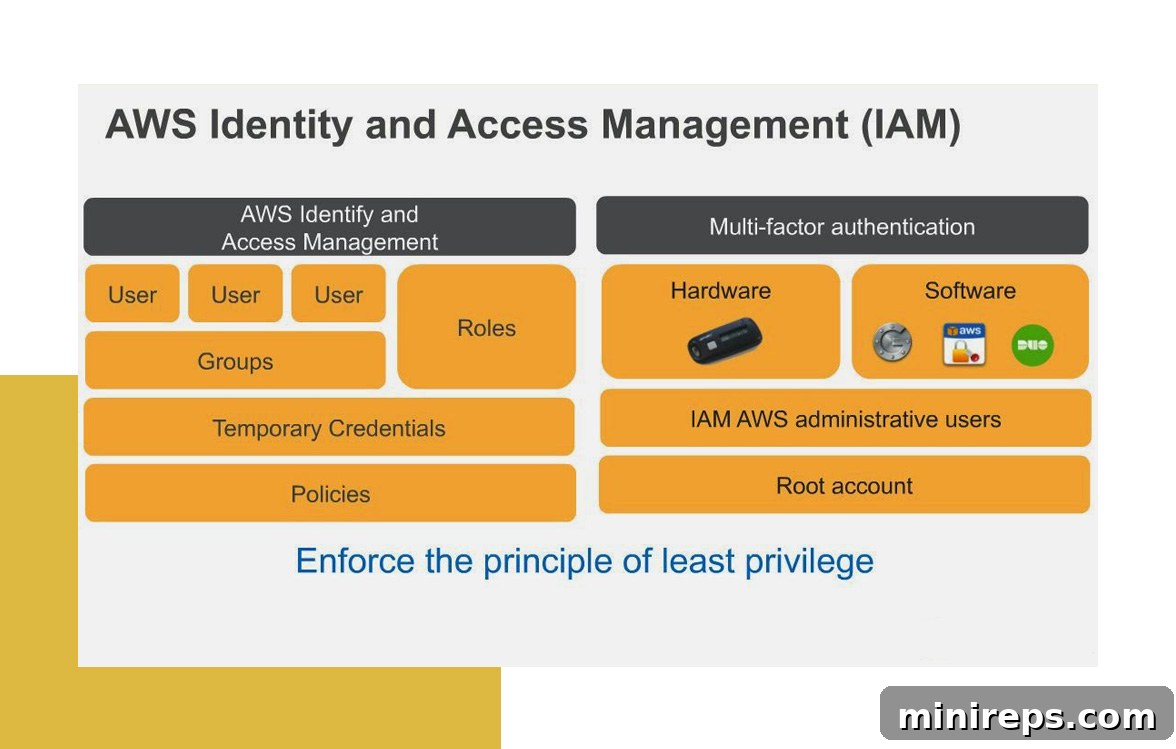
Instead, organizations must rigorously enforce the Principle of Least Privilege (POLP). POLP dictates that every individual operating within a system, including external contractors, should be granted only the minimum level of access permissions absolutely necessary to complete their assigned tasks. This means developers should only have access to specific modules, databases, or environments directly relevant to their work, and only for the duration required. Implementing POLP involves a robust system of Role-Based Access Control (RBAC), where permissions are tied to predefined roles rather than individual users. Regular access reviews are crucial to ensure that permissions remain appropriate as project roles evolve or conclude. Furthermore, explore Just-In-Time (JIT) access solutions, which provide temporary, elevated permissions only when explicitly requested and approved, minimizing exposure windows.
As seen at 101domain…
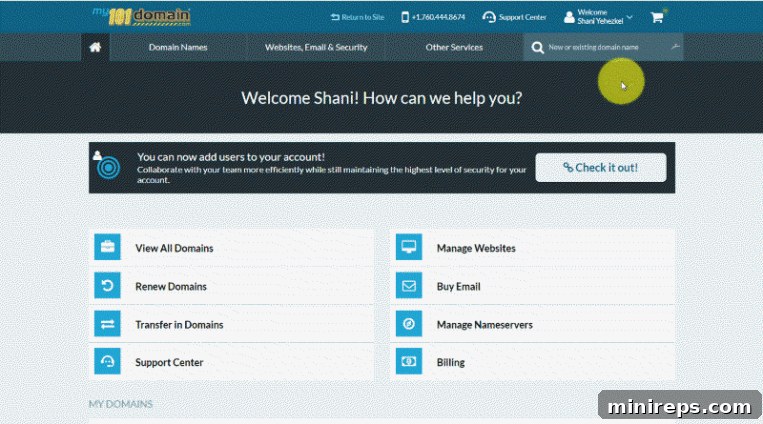
Account owners can create role-based users to facilitate more efficient collaboration within their teams while simultaneously upholding the highest level of security expected from their 101domain account. This feature is particularly valuable for managing external contractors.
Each user is assigned unique login credentials—a username and password—to access the account. The available tools and functionalities are meticulously tailored to their specific role, ensuring they only interact with what is essential for their duties. Dedicated account user management is an optimal strategy for granting team members, including outside web developers, access to the precise tools they require, explicitly denying access to anything extraneous or potentially sensitive.
In the contemporary landscape of cloud hosting, where applications run across shared data centers and various hosting providers, meticulously controlling your Identity and Access Management (IAM) protocols is not merely important—it is absolutely critical. Cloud computing environments necessitate a robust security architecture that empowers you to define granular permissions for every user, service account, and resource. This includes enforcing Multi-Factor Authentication (MFA) across all access points, regularly auditing all related activities through detailed logs, and integrating with centralized identity providers. Effective IAM directly impacts compliance with regulatory frameworks and significantly reduces the attack surface, safeguarding sensitive data in complex, distributed cloud infrastructures.
4. Implement Internal Management of Code Deployments
Working with remote employees introduces inherent communication challenges, as nuances and specific instructions can sometimes be lost without in-person interactions. In a worst-case scenario, a contractor might misinterpret a development request, inadvertently introducing a critical bug or vulnerability into a live application, potentially causing significant downtime or even a complete website outage. To mitigate such risks, organizations must establish a mature and tightly controlled development and deployment cycle that severely restricts external access to live production systems.
The industry-standard workflow mandates the separation of three distinct environments: development, staging (or QA), and production. The **production environment** hosts the live application accessed by end-users and should be the most secure and restricted. The **staging environment** serves as a near-identical replica of production, where the latest changes, thoroughly approved by the quality assurance (QA) team, are tested for functionality, performance, and security. Finally, the **development environment** acts as a sandboxed workspace where coders, including external developers, build and iterate on new features or bug fixes.
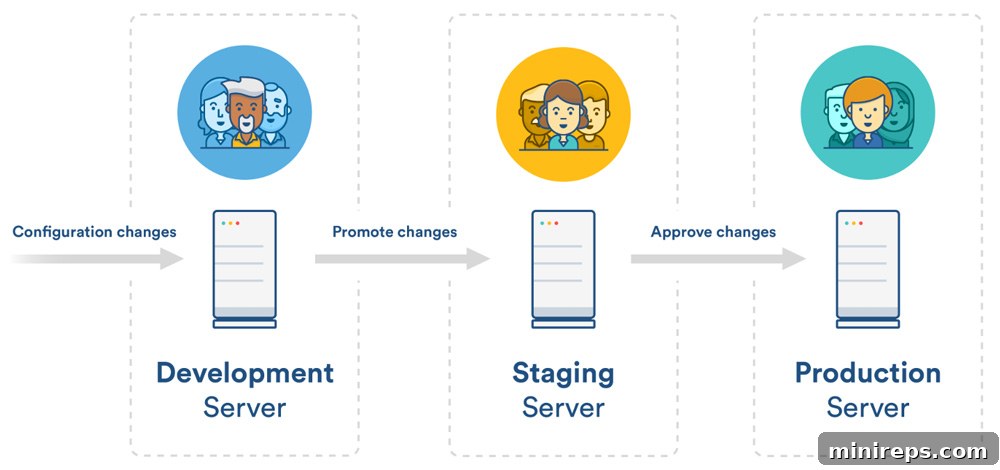
Crucially, outside web developers should, for security reasons, only ever be granted access to the development environment. The organization running the project must maintain an in-house QA and/or DevOps team responsible for rigorously testing all new code submitted by external contractors. This includes automated unit tests, integration tests, security scans, and manual quality checks. Once the code meets all quality and security benchmarks, the internal team promotes these verified changes first to the staging environment for final validation and then, upon successful completion, to the production systems. This structured approach, often enhanced by Continuous Integration/Continuous Deployment (CI/CD) pipelines, ensures that only vetted, secure, and stable code reaches the live application, minimizing deployment risks and maintaining system integrity.
5. Mandate VPN Usage for All Outside Web Developers
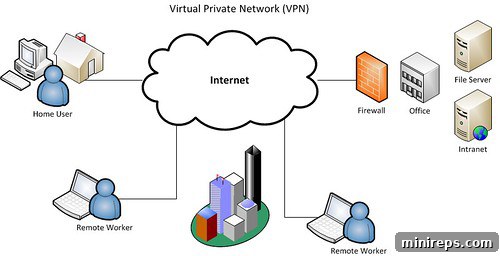
Even with the most stringent access controls and communication protocols in place, there remains a persistent risk of data exposure throughout the project lifecycle, particularly concerning the network connection itself. The highest vulnerability often arises when a freelance developer works from an unsecured location, such as a public Wi-Fi network. In these environments, malicious actors can easily intercept sensitive data through compromised routers, switches, or by employing man-in-the-middle attacks, potentially stealing credentials, code, or proprietary information.
To establish a secure remote working environment, it is imperative to mandate that all outside web developers utilize a Virtual Private Network (VPN) client before accessing any internal corporate resources or transmitting critical project data over the internet. VPNs create an encrypted tunnel between the user’s device and the company’s network, effectively shielding all web traffic from eavesdropping. The best VPN services available today offer multiple robust security protocols (like OpenVPN, IKEv2/IPsec, WireGuard) that encrypt data on the developer’s device, rendering it unreadable and undecipherable to hackers even if intercepted. This encryption is vital for protecting intellectual property and sensitive client information.
Beyond encryption, VPNs typically require a second layer of authentication, often through multi-factor authentication (MFA), which significantly enhances an organization’s data protection posture. In the unfortunate event that a freelancer’s computer is lost or stolen, unauthorized individuals would be unable to connect to corporate servers or databases without first logging in through the VPN client using both an approved username/password and a second verification factor. Furthermore, mandating VPN usage helps mask the developer’s actual IP address, adding another layer of anonymity and protection against direct attacks. Complementary measures include enforcing strong endpoint security on developer machines (antivirus, firewalls, disk encryption) and providing regular security awareness training to educate developers about phishing, social engineering, and secure browsing habits.
The Bottom Line for Securely Employing Outside Web Developers
Companies can unlock substantial advantages by strategically leveraging outside web developers, from accessing specialized expertise and accelerating project timelines to achieving significant cost reductions. However, this powerful operational model comes with an inherent security trade-off. A greater emphasis must be placed on fortifying both internal and external systems. A single oversight or point of failure in security protocols can precipitate a disastrous data breach, reputational damage, or substantial financial losses for the organization.
Fortunately, the evolution of web development has given rise to a robust set of best practices designed to make third-party development not only safer but also a more streamlined and integrated process. By meticulously vetting candidates, centralizing secure communication, enforcing the principle of least privilege, controlling deployment internally, and mandating VPN usage, organizations can effectively mitigate the associated risks. These proactive security measures transform a potential vulnerability into a strategic advantage, fostering trust and enabling seamless collaboration. When these guidelines are consistently applied, an outside developer can genuinely feel like an integral member of the team, making serious, impactful contributions to a project or application without ever jeopardizing the company’s internal resources or sensitive data. This holistic approach ensures that the benefits of outsourcing are fully realized, without sacrificing the core security posture of the business.