
Elevating Email Trust and Engagement: The Power of BIMI and DMARC
In the fiercely competitive realm of digital marketing, capturing and retaining customer attention is paramount. Yet, amidst the deluge of daily communications, ensuring your emails cut through the noise and land as credible, trusted messages is a significant challenge. Email inboxes are battlegrounds where brands fight for visibility, battling spam filters, sophisticated phishing attempts, and the natural skepticism of recipients. This is precisely where the robust combination of Brand Indicators for Message Identification (BIMI) and Domain-based Message Authentication, Reporting & Conformance (DMARC) emerges as an indispensable strategy for any forward-thinking business. Together, these protocols don’t just secure your email communications; they transform them into powerful vehicles for brand building and customer engagement, fostering invaluable trust in every interaction.
Decoding the Essentials: What are BIMI and DMARC?
To fully appreciate their collective strength, let’s first understand BIMI and DMARC individually. These two email standards, while distinct in their primary functions, are deeply interconnected and mutually reinforcing, particularly when it comes to enhancing email security and brand visibility.
BIMI: Your Brand’s Visual Signature in the Inbox
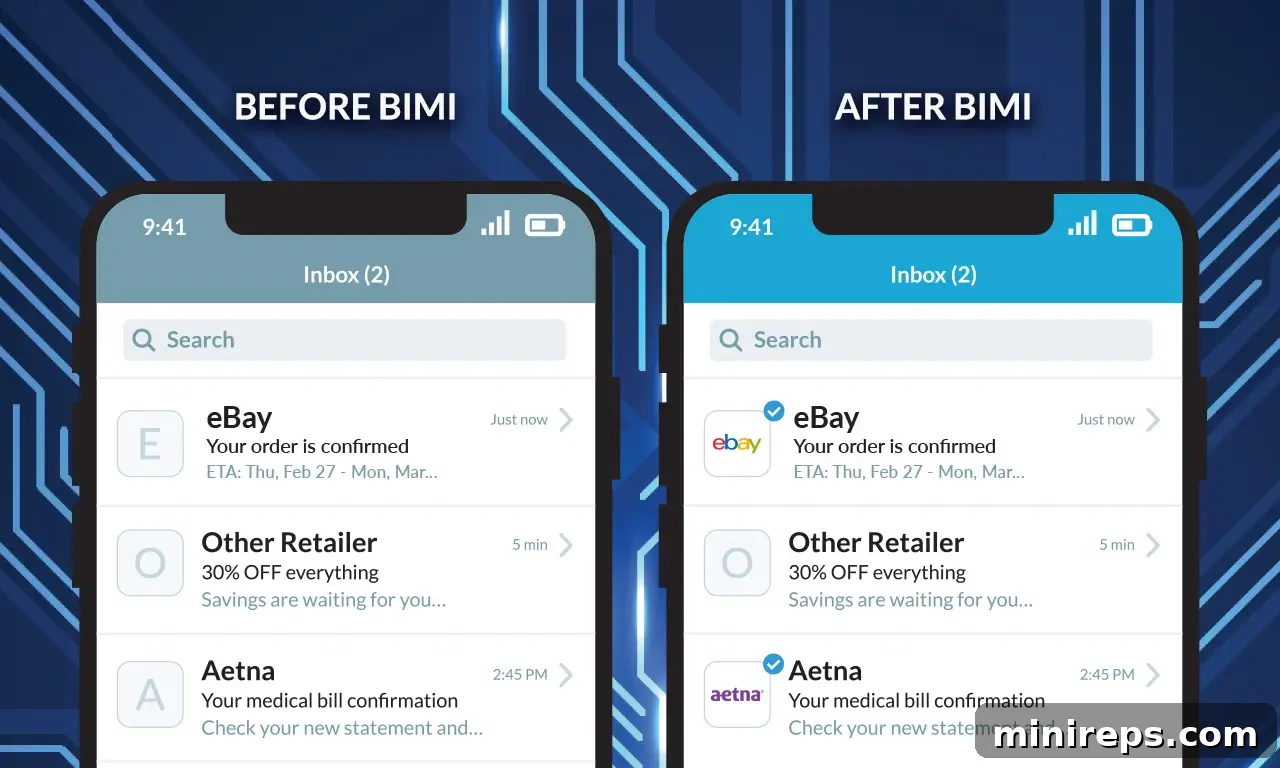
Brand Indicators for Message Identification (BIMI) is an innovative email standard designed to boost brand recognition and recipient trust through a simple yet powerful visual cue: your company’s logo displayed directly in the email client’s inbox view. Imagine your brand’s official logo appearing right next to your sender name, before the email is even opened. This isn’t just a cosmetic enhancement; it’s a strategic move that immediately signals authenticity and professionalism to your recipients. BIMI empowers brands to take control of their visual identity in the inbox, making it easier for customers to identify legitimate communications and distinguish them from potential spam or phishing attempts. Supported by major email providers like Gmail, Yahoo Mail, and Fastmail, BIMI is rapidly becoming a cornerstone of modern email marketing, providing an instant visual verification that builds confidence and encourages engagement.
DMARC: The Unseen Guardian of Email Authenticity
While BIMI provides the visual assurance, Domain-based Message Authentication, Reporting & Conformance (DMARC) acts as the critical technical backbone that verifies the sender’s identity. DMARC is an advanced email validation system meticulously engineered to protect your domain from malicious activities such as email spoofing and sophisticated phishing scams. It operates by building upon existing, foundational email authentication protocols: SPF (Sender Policy Framework) and DKIM (DomainKeys Identified Mail). Essentially, DMARC allows domain owners to instruct recipient email servers on how to handle emails that fail authentication checks against their published policies. This means you can specify whether unauthenticated emails should be allowed, quarantined (sent to spam), or outright rejected, thereby dramatically enhancing the security posture of your email communications and safeguarding your brand’s reputation from exploitation by cybercriminals.
The Indispensable Synergy: Why DMARC is a Prerequisite for BIMI
It’s crucial to understand that BIMI doesn’t operate in a vacuum. Its functionality is directly contingent upon a robust DMARC implementation. Think of DMARC as the rigorous security check that an email must pass before BIMI can proudly display your brand’s logo. This symbiotic relationship ensures that only genuinely authenticated emails can carry your visual branding, preventing bad actors from exploiting your logo to deceive recipients.
How DMARC and BIMI Work Together to Build Trust
For a brand to be eligible for BIMI, a DMARC policy must first be meticulously configured and actively enforced for the sending domain. Here’s a simplified breakdown of their integrated workflow, illustrating how they work in tandem to secure and brand your communications:
- Email Transmission: An email is sent from your domain, containing all standard header information and content.
- DMARC Validation Initiated: When a recipient’s email server receives the email, it immediately initiates DMARC validation. This involves checking the email against the domain’s published DMARC record, which references the SPF and DKIM records.
- SPF Check: The server verifies if the sending IP address is authorized to send emails on behalf of your domain, according to your SPF record. If the IP is not listed, the SPF check fails.
- DKIM Check: Concurrently, the server verifies the email’s digital signature against your DKIM record. This ensures the email hasn’t been tampered with in transit and confirms the sender’s identity at the point of sending. A mismatch indicates a failure.
- DMARC Alignment and Policy Enforcement: DMARC then takes the results of the SPF and DKIM checks and ensures that the domain used in the “From” address (the one users see) aligns with the domains checked by SPF and DKIM. If alignment fails, or if SPF/DKIM checks fail, DMARC’s policy (p=none, p=quarantine, or p=reject) dictates how the email is handled. For BIMI, an enforcement policy (quarantine or reject) is a strict requirement.
- BIMI Activation: Critically, if an email successfully passes DMARC validation with an enforcement policy and is considered legitimate by the recipient’s server, the email client can then proceed to check for a BIMI record associated with your domain.
- Logo Display: If a valid BIMI record is found, pointing to your verified brand logo, that logo is displayed prominently next to the email in the recipient’s inbox. This provides immediate, undeniable visual confirmation of authenticity to the end-user.
This stringent validation process, orchestrated by DMARC, is what makes BIMI so powerful and trustworthy. Without DMARC ensuring the email’s legitimacy, any malicious actor could theoretically display a brand’s logo, undermining the entire system and diminishing user trust. Thus, DMARC acts as the essential gatekeeper, ensuring that your brand’s visual identity is protected and only associated with authentic, secure communications.
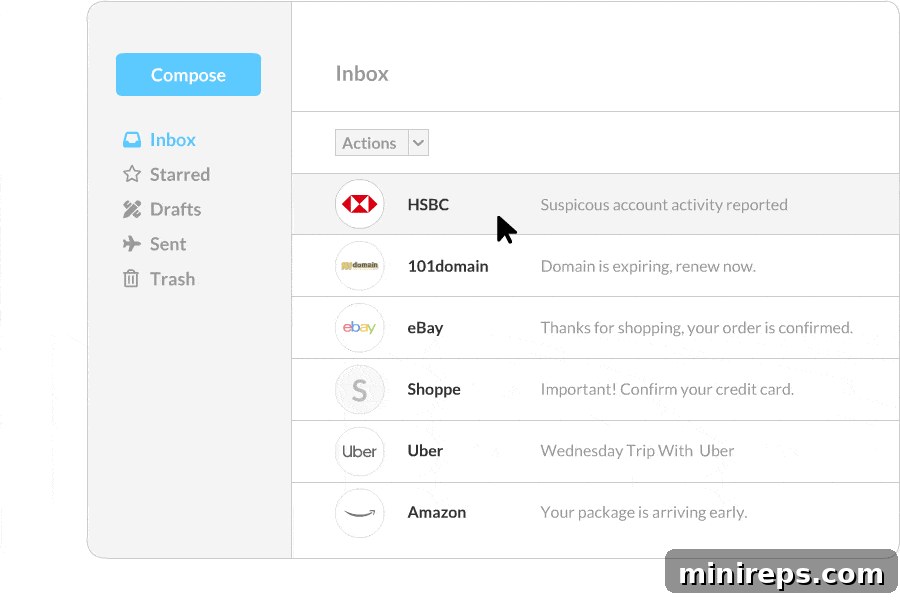
Furthermore, for brands seeking the highest level of trust and visual authentication, the integration of a Verified Mark Certificate (VMC) with BIMI is highly recommended. A VMC is a digital certificate that verifies the authenticity of your brand’s logo and its legal ownership through a rigorous validation process by a trusted certificate authority. When a VMC is in place, it signals an even stronger level of assurance to email clients, often resulting in more consistent logo display and reinforcing unparalleled credibility for your brand’s emails. This is directly related to how you might achieve a “blue checkmark” or similar visual indicators of verified identity in certain email clients, akin to verified profiles on social media platforms, providing an extra layer of confidence to your audience.
RELATED ARTICLE: How To Get A Blue Checkmark Next To Your Company Emails
Tangible Benefits: Why BIMI and DMARC are Game-Changers for Your Brand
The coordinated effort between BIMI and DMARC delivers a profound impact across several critical aspects of your email marketing strategy and overall brand reputation. These aren’t just technical configurations; they are strategic investments that yield significant returns in trust, engagement, and security, creating a competitive advantage in a crowded digital marketplace.
1. Skyrocketing Customer Email Trust and Brand Recognition
Imagine scrolling through a busy inbox. What catches your eye first? A familiar logo. Seeing your brand’s official, authenticated logo next to an email immediately provides customers with a powerful sense of familiarity, authenticity, and confidence. This transforms a simple email into a branded experience even before it’s opened. This instant visual recognition helps distinguish your genuine emails from the overwhelming clutter and, more importantly, from malicious impersonations. For customers, it’s a clear and immediate signal: “This email is legitimate, and it’s truly from the brand I know and trust.” This direct visual affirmation significantly contributes to building and cementing long-term brand loyalty and positive customer perception.
2. Enhanced Email Engagement and Deliverability
Emails that look trustworthy are inherently more likely to be opened. By instilling confidence through a verified brand logo, BIMI can lead to a measurable increase in your email open rates, often by 10% or more. Higher open rates frequently translate into improved click-through rates, driving more traffic to your website, promotions, or valuable content. Furthermore, a strong DMARC policy, especially one at enforcement (quarantine/reject), signals to email service providers (ESPs) that your domain is serious about email security and authentication. This proactive stance positively impacts your sender reputation, which is a crucial factor in email deliverability, ensuring your legitimate messages reliably reach the intended inbox rather than getting trapped in spam folders.
3. Fortified Protection Against Phishing and Spoofing Attacks
In an era where cyber threats are increasingly sophisticated and costly, protecting your customers and your brand from phishing and spoofing is non-negotiable. DMARC serves as an impenetrable shield, making it significantly harder for cybercriminals to impersonate your brand and send fraudulent emails from your domain. By ensuring that only authenticated emails are delivered according to your policy, DMARC drastically reduces the success rate of phishing attempts that leverage your brand’s name for malicious purposes. When coupled with BIMI, which provides a clear visual indicator of authenticity, customers are empowered to easily identify and avoid malicious emails, safeguarding both their sensitive data and your brand’s hard-earned integrity.
4. Consistent Brand Presence Across Digital Touchpoints
BIMI extends your brand’s visual identity directly into the customer’s inbox, ensuring unparalleled consistency across all digital touchpoints. From your website and social media profiles to your email communications, a unified and verified brand image reinforces your presence and strengthens brand recall. This cohesive branding strategy not only makes your emails more memorable and impactful but also solidifies your overall brand identity in the minds of your audience, fostering a deeper connection and reinforcing your market position as a reputable and reliable entity. It ensures that every email reinforces your brand’s message and visual identity consistently.
Implementing BIMI and DMARC: A Simplified Approach
While the technical details of setting up BIMI and DMARC can appear daunting, the process is streamlined by following a structured and phased approach. The journey typically begins with DMARC implementation, gradually moving towards enforcement, and then adding BIMI to harness its full branding potential.
Steps to DMARC Compliance:
- Assess Your Email Ecosystem: Begin by identifying all legitimate sources that send email on behalf of your domain. This includes your marketing automation platforms, transactional email services, and any third-party senders.
- Implement SPF and DKIM: Ensure these foundational email authentication protocols are correctly configured for all identified sending sources. These records must be published in your domain’s DNS.
- Publish DMARC Record with ‘p=none’: Start with a DMARC policy set to ‘none’ (`p=none`). This allows you to gather comprehensive reports on email authentication failures without impacting email delivery. This crucial monitoring phase provides invaluable insights into potential issues or unauthorized senders attempting to spoof your domain.
- Monitor DMARC Reports: Diligently analyze the aggregate DMARC reports generated by recipient mail servers. These reports help you identify legitimate senders that might be failing authentication and unauthorized senders attempting to impersonate your brand. Adjust SPF/DKIM records as needed during this phase.
- Move to ‘p=quarantine’ or ‘p=reject’: Once you’re confident that all legitimate emails are consistently passing authentication, gradually move to ‘p=quarantine’ (sending failed emails to spam) or ultimately ‘p=reject’ (blocking failed emails entirely). This enforcement level is a strict prerequisite for BIMI implementation.
Steps to BIMI Implementation:
- Achieve DMARC Enforcement: Your domain must first have a DMARC policy of ‘p=quarantine’ or ‘p=reject’ actively in place and performing effectively.
- Prepare Your Logo: Convert your official brand logo into a square SVG Tiny 1.2 format. This specific vector graphic format is required for BIMI and must adhere to certain technical specifications.
- Obtain a Verified Mark Certificate (VMC) (Highly Recommended): While not strictly mandatory for all BIMI implementations, a VMC from a trusted certificate authority verifies your logo’s authenticity and legal ownership. Obtaining a VMC significantly increases the likelihood of consistent logo display across a wider range of email clients and enhances overall brand credibility.
- Publish BIMI DNS Record: Add a BIMI record (a TXT record) to your domain’s DNS. This record will point to your SVG logo file’s URL and, if applicable, to your VMC.
- Monitor and Verify: After publishing the BIMI record, send test emails to various supporting email clients (e.g., Gmail, Yahoo Mail) to ensure your logo is displaying correctly and consistently. Be prepared for a propagation period for DNS changes to take effect.
Conclusion: Safeguarding Your Brand’s Future, One Email at a Time
In the dynamic landscape of digital communication, trust is the ultimate currency, and effective email marketing is its most direct pathway. BIMI and DMARC together offer a powerful, multifaceted solution to the persistent challenges of email security, brand identity, and customer engagement. By meticulously implementing these protocols, businesses can not only shield their brand from the pervasive threat of phishing and spoofing but also significantly elevate their standing in the eyes of their audience, transforming every email into a trust-building opportunity.
Displaying your brand’s authenticated logo directly in the inbox cuts through the clutter, fosters immediate recognition, and provides an undeniable layer of trust that encourages recipients to open and interact with your messages. With DMARC diligently verifying every incoming email for authenticity and BIMI proudly showcasing your brand’s visual identity, you are not merely sending emails; you are delivering secure, branded experiences that resonate deeply with your customers.
Embracing this dynamic duo is a strategic imperative for any brand committed to reinforcing its email reputation, safeguarding its communications, and ultimately, building enduring loyalty with its customers. The investment in BIMI and DMARC translates directly into increased engagement, stronger brand affinity, and a more secure, trustworthy digital presence that stands out in today’s crowded inboxes. Your customers will undoubtedly thank you with heightened trust and unwavering engagement, ensuring your brand’s messages always arrive with authority and impact, securing your place as a trusted communicator.
Ready to take the first step towards DMARC compliance?
Unlock the full potential of your email strategy by ensuring your domain’s authenticity. Our free SPF Checker Tool is the perfect starting point to verify your email authentication records and ensure your DMARC journey begins on solid ground.