


In the fast-evolving digital landscape, robust cybersecurity is no longer an option but a fundamental necessity. As online interactions become increasingly complex, so do the threats aiming to compromise sensitive data. At the forefront of digital protection is the Secure Sockets Layer (SSL) protocol, or its more modern successor, Transport Layer Security (TLS). While most users recognize SSL/TLS for securing public-facing websites, where a padlock icon signifies a safe connection, its importance extends far beyond the browser window. For enterprises, securing backend systems with SSL/TLS is equally, if not more, critical for maintaining data integrity, confidentiality, and overall operational resilience. Neglecting backend SSL can expose an organization to significant risks, undermining customer trust and regulatory compliance.
Customer-Facing SSL vs. Backend SSL: A Crucial Distinction
The concept of SSL/TLS is commonly understood through its role in securing public-facing websites. When you visit a website and see a padlock icon in your browser’s address bar, it indicates that your connection to that website is encrypted using SSL/TLS. This visible assurance is paramount for user confidence, especially when engaging in activities that involve sensitive data such as online shopping, banking, or submitting personal information. Cybersecurity experts universally recommend verifying a website’s valid SSL certificate before exchanging any data, including passwords, financial details, or personally identifiable information (PII).
However, the protective umbrella of SSL/TLS must extend beyond what meets the eye of the end-user. While securing communication between a user’s browser and your web server is vital, it’s merely one layer of defense. Enterprises operate intricate networks of internal systems, APIs, databases, microservices, and cloud infrastructure that constantly communicate with each other. This internal communication often carries equally, if not more, sensitive data. The crucial distinction lies in the audience: customer-facing SSL protects external users, while backend SSL safeguards the internal arteries of your digital operations.

Implementing SSL/TLS on the backend systems is not just an optional enhancement; it’s a critical component of a comprehensive enterprise security strategy. It ensures that data moving between servers, applications, and internal services remains encrypted and authenticated, creating a robust shield against unauthorized access and internal breaches. This “defense-in-depth” approach recognizes that external firewalls are insufficient if internal communications remain vulnerable, making backend SSL a foundational security requirement for any modern enterprise.
Understanding the Basics of SSL/TLS Encryption
At its core, the SSL/TLS protocol relies on sophisticated cryptographic algorithms to secure data transmissions. When two endpoints, such as a web browser and a server, or two internal servers, establish an SSL/TLS connection, they perform a “handshake.” This handshake is a series of steps that authenticate the server (and sometimes the client), agree upon encryption methods, and exchange cryptographic keys. Once the handshake is complete, all data transmitted between the two endpoints is encrypted, making it unintelligible to anyone who might intercept it.
The process leverages both asymmetric and symmetric encryption. During the initial handshake, asymmetric encryption (using a public key and a private key) is used to securely exchange a session key. This session key is then used for symmetric encryption, which is faster and more efficient for encrypting the bulk of the data transfer. The server’s public key is contained within its SSL/TLS certificate, which is broadcast to all connecting clients. The server retains its private key, which is essential for decrypting data and establishing secure communication. If a hacker attempts to intercept the traffic, without the corresponding private key, they will be unable to decode the encrypted information, rendering the data useless to them.
For SSL/TLS encryption to function properly and be trusted, the server must have a valid certificate installed, issued by a trusted Certificate Authority (CA). CAs, such as Sectigo (with whom 101domain has partnered), are responsible for verifying the identity of the certificate applicant before issuing a certificate. This process links the certificate to your server’s domain name and establishes a chain of trust that browsers and operating systems rely upon. Without a valid, CA-issued certificate, the trustworthiness of the encryption cannot be guaranteed, leading to security warnings and potential vulnerabilities.
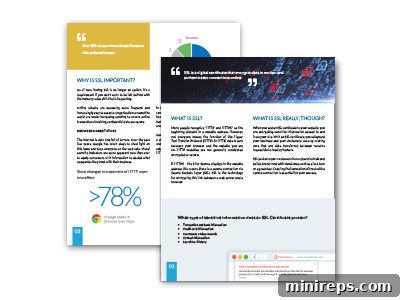
For an in-depth breakdown of SSL check out this Beginner’s Guide to SSL.
The consistent application of these encryption principles to backend systems ensures that internal data transfers – whether between microservices, databases, or cloud instances – benefit from the same level of security and authentication as external web traffic. This is crucial in preventing lateral movement by attackers who might have already breached the perimeter and are looking for unencrypted internal communications to exploit.
Navigating the Various Types of SSL/TLS Certificates
While the fundamental mechanism of SSL/TLS encryption remains consistent, the types of certificates available cater to diverse needs and levels of validation. For the average internet user, all SSL/TLS secured connections might appear the same, but for enterprises, choosing the right certificate type is critical for adequate security and cost-effectiveness. Providers like 101domain offer a wide range of enterprise SSL certificate solutions, each designed for specific use cases. These certificates typically involve an upfront cost and recurring renewal fees, usually every one to two years, to ensure continuous validation and security.
Understanding the different validation levels is key:
- Domain Validation (DV) Certificates: These are the quickest and least expensive to obtain. The CA only verifies that the applicant controls the domain name. While they provide strong encryption, they offer minimal identity assurance. DV certificates are often suitable for internal systems where identity verification is less critical but encryption is still needed.
- Organization Validation (OV) Certificates: Requiring more rigorous vetting, OV certificates verify the organization’s existence and legitimacy, in addition to domain control. This provides a higher level of trust. OV certificates are a good choice for public-facing websites and many backend systems where organizational identity is important.
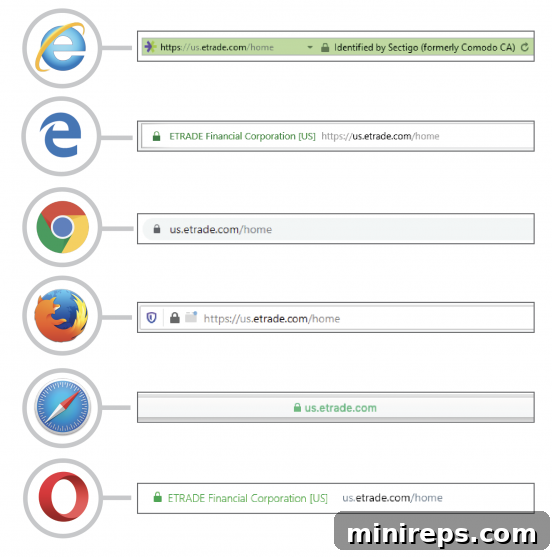
- Extended Validation (EV) Certificates: These offer the highest level of trust and security. EV certificates involve a thorough vetting process of the organization, verifying its legal, physical, and operational existence. For public-facing sites, EV certificates often display the organization’s name prominently in the browser, signaling maximum trustworthiness. For backend systems, especially those dealing with highly sensitive data or critical infrastructure, EV provides an unparalleled layer of identity assurance, ensuring that only verified entities are communicating.
Beyond validation levels, there are also certificates tailored for specific domain structures:
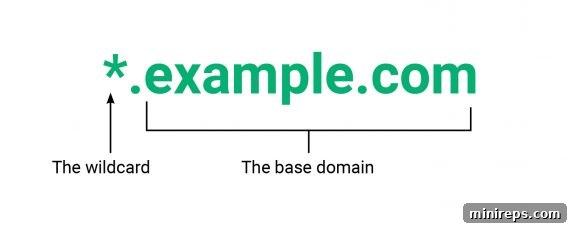
- Wildcard SSL Certificates: Ideal for organizations with complex IT architectures, Wildcard certificates allow you to encrypt a single top-level domain and an unlimited number of its subdomains (e.g., *.example.com). This simplifies management and reduces costs significantly when securing multiple backend systems or services running on different subdomains.
- Multi-Domain (SAN) Certificates: Also known as SAN (Subject Alternative Name) certificates, these can secure multiple distinct domain names (e.g., example.com, example.net, example.org) with a single certificate. They are highly flexible for enterprises managing various brands, regional websites, or distinct internal services that don’t share a common subdomain structure.
If external vendors, partners, or third-party entities frequently access your backend systems or APIs, consider upgrading to an Extended Validation (EV) certificate for those specific endpoints. EV adds an extra layer of security by robustly verifying your enterprise’s entity during every web session, providing undeniable proof of identity and significantly reducing the risk of phishing or impersonation attempts. Choosing the appropriate certificate type ensures that your backend security aligns with the criticality and sensitivity of the data being protected, maximizing both security and operational efficiency.
The Grave Risks Associated with Self-Signed Certificates
Driven by the perceived cost and administrative overhead of obtaining and renewing commercial SSL/TLS certificates, some enterprises might be tempted to use self-signed certificates for their internal and backend systems. While seemingly an easy and free solution, succumbing to this temptation introduces significant security vulnerabilities and a false sense of security. Self-signed certificates are generated and signed by the server itself, rather than by a trusted, independent Certificate Authority. This fundamental lack of external validation renders them inherently untrustworthy in any context where genuine security is required.
The primary danger of self-signed certificates stems from their inability to verify the authenticity of the server. Since anyone can create and install a self-signed certificate, there is no independent third-party attestation that the server you are connecting to is, in fact, the legitimate server it claims to be. This opens the door wide for man-in-the-middle (MITM) attacks. In such an attack, a malicious actor can intercept communications between two internal systems, present their own self-signed certificate, and the systems, having no trusted authority to check against, will unknowingly establish an encrypted connection with the attacker.
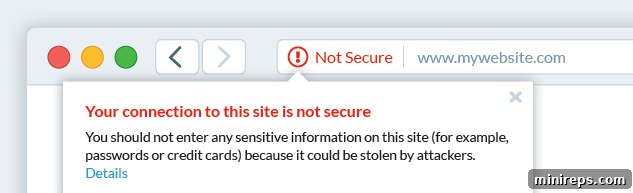
Furthermore, self-signed certificates generate security warnings and error messages to users and systems attempting to connect through them, even in an internal context. These constant alerts can lead to “alert fatigue,” where users become accustomed to dismissing warnings, potentially overlooking genuine threats. From a business perspective, a company that relies on self-signed certificates, even internally, projects an image of lax security practices, eroding trust among employees, partners, and ultimately, customers. Such an approach significantly increases vulnerability to cyberattacks, as the lack of proper certificate management makes it harder to detect and mitigate threats.
A growing and alarming risk is the use of self-signed certificates by malicious actors to hide malware. By encrypting command-and-control traffic with self-signed certificates, hackers can evade traditional security measures that might flag unencrypted malicious communications. While this tactic may not yet be widely publicized, it represents an evolving threat that security teams must be aware of. Relying on legitimate, CA-signed certificates for all enterprise systems, both internal and external, is the only way to ensure verifiable security, maintain robust authentication, and uphold the integrity of your digital infrastructure against sophisticated cyber threats.
Why Internal Tools and Backend Systems Demand SSL/TLS Protection
While much of the public discourse around SSL/TLS focuses on browser-to-server interactions visible to external users, the imperative for SSL/TLS on backend systems is equally, if not more, critical. In modern enterprise environments, even systems that are assumed to be “internal-only” and inaccessible from the outside must be encrypted. The principle of “zero-trust” security dictates that no system, user, or network segment should be inherently trusted, regardless of its location. This means every interaction, even within the corporate network, should be authenticated and encrypted.
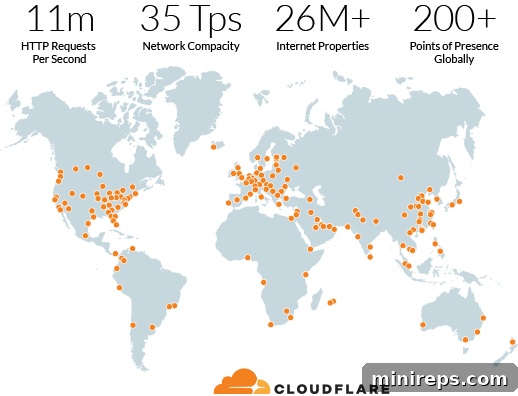
The pervasive adoption of cloud computing further underscores this need. Modern enterprises increasingly leverage cloud hosting for websites, web-based applications, databases, and microservices. Providers like Cloudflare offer premium DNS services that distribute backend systems globally, enhancing performance and resilience. In such distributed, dynamic environments, data is constantly moving between various cloud instances, containers, and serverless functions across different network segments. If any single server or component within this intricate network lacks SSL/TLS protection, it creates a glaring vulnerability that puts the entire enterprise at risk. Attackers, once inside a network, can often move laterally by scanning for unencrypted internal traffic, exploiting weaknesses in inter-service communication to access sensitive data stores or escalate privileges.
Consider the myriad of internal tools and services that handle sensitive enterprise data: project management systems like JIRA, communication platforms like Slack, version control systems, internal CRM dashboards, HR portals, and database servers. Each of these platforms, whether self-hosted or provided by a software vendor, necessitates end-to-end encryption. Without SSL/TLS, confidential discussions, proprietary code, employee data, and business strategies could be intercepted and compromised. Even email servers, a cornerstone of business communication, must be configured to use specific port numbers for transmitting data securely over SSL/TLS connections, safeguarding the integrity and privacy of all email exchanges.
Moreover, regulatory compliance mandates such as GDPR, HIPAA, and PCI DSS often require the encryption of data both “in transit” and “at rest.” Backend SSL/TLS directly addresses the “data in transit” requirement for internal communications, helping enterprises avoid hefty fines and reputational damage associated with data breaches. Implementing robust backend SSL/TLS is therefore not just a best practice; it’s an essential strategy for ensuring data confidentiality, integrity, and authenticity across the entire enterprise ecosystem, from the smallest microservice to the largest database, fortifying your organization against the increasingly sophisticated threat landscape.
The Bottom Line: Prioritizing SSL/TLS on the Backend for Enterprise Security
In today’s interconnected digital economy, where online shopping, banking, and cloud services are commonplace, SSL/TLS protection is unequivocally one of the most foundational steps to secure any website. For customer-facing applications, the absence of valid SSL/TLS certificates will invariably lead to browsers issuing stark security warnings, actively discouraging users from interacting with the site or entering sensitive data. This directly translates to lost customer trust, reputational damage, and ultimately, business failure. Fortunately, obtaining and configuring external-facing SSL/TLS certificates has become a straightforward process thanks to reliable providers like 101domain, making it an accessible first line of defense.
However, true enterprise-grade security extends far beyond the public facade. Organizations that fail to extend SSL/TLS protection to their internal backend systems are leaving gaping holes in their security posture, inviting potential attacks. In complex, distributed cloud environments, data is in constant flux, moving dynamically between various servers, services, and applications. Each of these internal communication channels represents a potential interception point for sophisticated hackers. These vulnerabilities are often exploited for lateral movement within a compromised network, allowing attackers to escalate privileges, exfiltrate data, or disrupt critical operations without being detected by perimeter defenses.
Implementing a comprehensive backend SSL/TLS strategy ensures that all web exchanges, even those confined to an internal audience, remain private, authenticated, and tamper-proof. This means securing not just the primary web server, but every internal API endpoint, every database connection, every microservice interaction, and every cloud-based communication. By adding valid SSL/TLS certificates at each critical junction within the backend infrastructure, before servers are deployed into live production environments, enterprises build a resilient, multi-layered defense. This proactive approach safeguards sensitive data, protects against internal and external threats, ensures regulatory compliance, and most importantly, solidifies the foundation of trust that is paramount for sustained success in the digital age. Investing in backend SSL/TLS is not an expenditure; it’s an essential investment in your organization’s security, reputation, and future.