
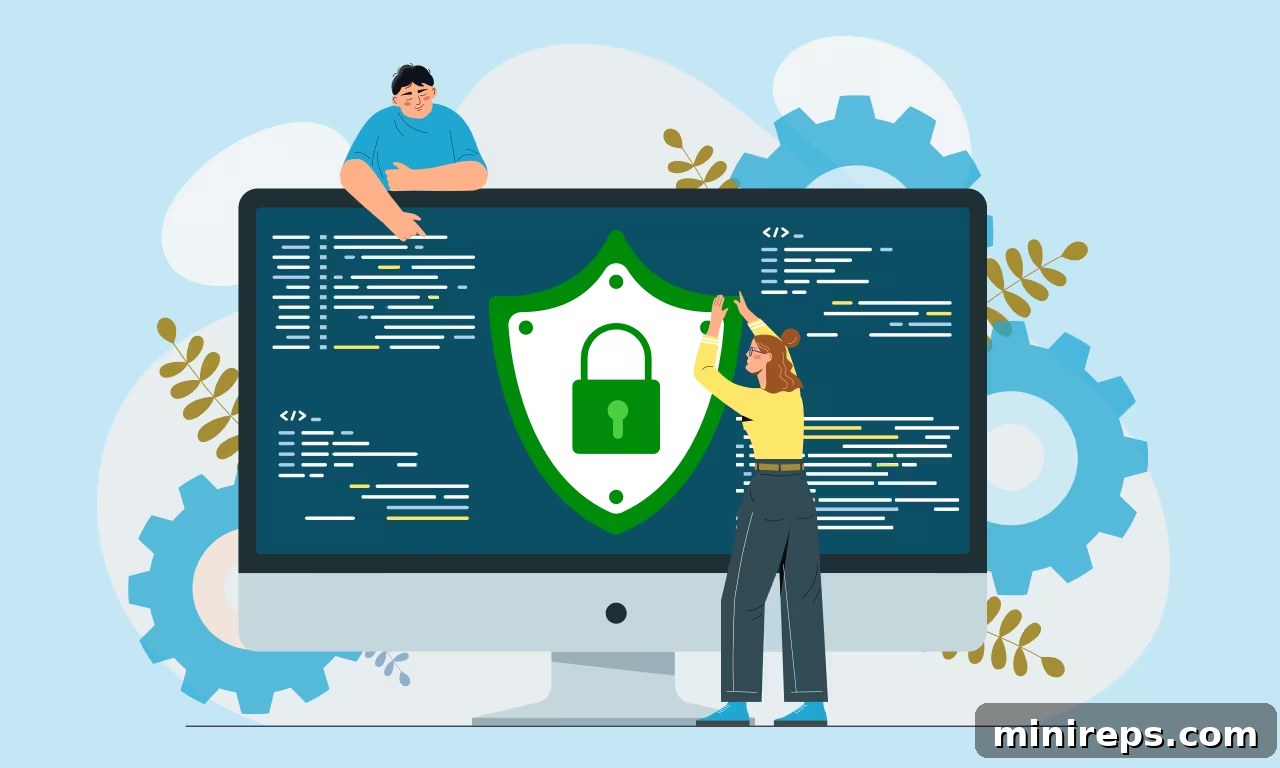

In today’s hyper-connected digital landscape, where online interactions are not just common but essential, the paramount need for secure and trustworthy communication cannot be overstated. From e-commerce transactions to sensitive data exchange and personal browsing, internet users expect their information to remain private and protected. At the heart of this digital security framework lie SSL/TLS certificates – indispensable tools for safeguarding sensitive information transmitted across the internet. But what exactly are these digital safeguards, how do they function, and why are they absolutely critical for businesses and website owners in the modern era? Let’s embark on a comprehensive exploration to demystify SSL/TLS certificates and understand their profound impact on online trust and security.
Understanding SSL/TLS Certificates: The Foundation of Web Security
An SSL/TLS certificate is a digital certificate that serves two primary functions: it authenticates the identity of a website and encrypts the information sent to and from that website. Essentially, it acts as a digital passport for your website, verifying its authenticity and enabling a secure connection.
The terms SSL (Secure Sockets Layer) and its more modern and secure successor, TLS (Transport Layer Security), refer to cryptographic protocols. These protocols are meticulously designed to encrypt data transmitted between a user’s web browser and a web server. By establishing an encrypted link, they ensure that any data exchanged – be it login credentials, credit card details, personal data, or any other sensitive information – remains private, integral, and immune to eavesdropping, interception, or tampering by malicious actors. While SSL is an older standard and is largely deprecated due to security vulnerabilities, the term “SSL certificate” is still commonly used to refer to what are technically TLS certificates today.
The Critical Role of SSL/TLS Certificates in Cybersecurity
SSL/TLS certificates are far more than just a technical formality; they are crucial pillars supporting the entire edifice of online security. Their functionality extends across three vital areas:
- Robust Data Encryption: At its core, an SSL/TLS certificate facilitates powerful data encryption. When a secure connection is established, the data being transferred is transformed into a scrambled, unreadable format that is indecipherable to anyone without the correct decryption key. This process ensures that sensitive information – such as financial transactions, personally identifiable information, and confidential communications – remains shielded from data breaches and unauthorized access, even if intercepted. Without this encryption, data would travel across the internet in plain text, akin to sending a postcard, vulnerable for anyone to read.
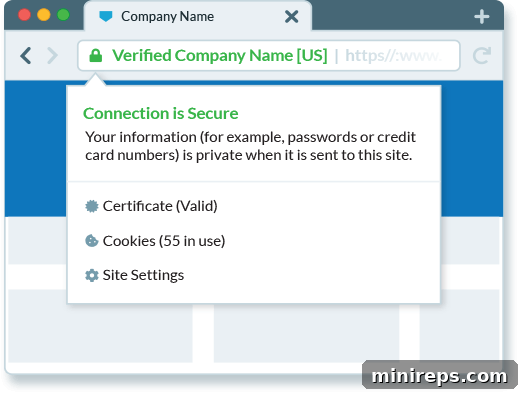
- Website Authentication and Identity Verification: Beyond encryption, these certificates play a pivotal role in authentication. They validate the identity of the website users are interacting with. This process involves a trusted third party, known as a Certificate Authority (CA), verifying the domain owner’s identity before issuing a certificate. When a user sees the padlock icon and “HTTPS” in their browser, it signifies that the website’s identity has been confirmed by a reputable CA. This confirmation is absolutely essential for building user trust, preventing phishing attacks, and ensuring users are indeed engaging with a legitimate entity and not a fraudulent imposter site designed to steal information.
- Ensuring Data Integrity: SSL/TLS certificates also guarantee the integrity of data during transmission. This means that the data sent from the browser to the server (and vice-versa) arrives exactly as it was sent, without any unauthorized alteration or corruption along the way. The protocol employs sophisticated mechanisms to detect any tampering or modification of data packets during transit. If any interception or alteration is detected, the SSL/TLS connection is immediately terminated, thereby safeguarding the reliability and trustworthiness of the data. This protective measure prevents Man-in-the-Middle (MITM) attacks where malicious actors attempt to modify data silently.
How SSL/TLS Certificates Orchestrate Secure Communication
The magic behind SSL/TLS security unfolds through a meticulously coordinated sequence of events known as the SSL/TLS handshake. This intricate process establishes a secure, encrypted connection between a user’s web browser (the client) and a web server.
- Client Hello: When a user visits a website secured with SSL/TLS (indicated by HTTPS), their browser initiates the handshake by sending a “Client Hello” message to the server. This message includes the client’s SSL/TLS version, supported cipher suites (encryption algorithms), and a random string of bytes.
- Server Hello: The server responds with a “Server Hello,” choosing the highest SSL/TLS version and strongest cipher suite supported by both parties. It also sends its own random string of bytes.
- Certificate Exchange: Crucially, the server then sends a copy of its SSL/TLS certificate to the browser. This certificate contains the server’s public key, the server’s identity, the issuing Certificate Authority (CA), and a digital signature.
- Certificate Verification: The browser meticulously verifies the authenticity and validity of this certificate. It checks if the certificate is issued by a trusted CA, if it hasn’t expired, and if the domain name matches the website’s address. If the certificate is deemed trustworthy, the browser trusts the server’s identity.
- Key Exchange: With the server’s identity confirmed, the browser generates a “pre-master secret” (a random string of bytes). It encrypts this pre-master secret using the server’s public key (found in the certificate) and sends it back to the server. Only the server, with its corresponding private key, can decrypt this pre-master secret.
- Session Key Generation: Both the browser and the server then independently generate symmetric “session keys” using the pre-master secret and the random bytes exchanged earlier. These session keys are identical and will be used for all subsequent encrypted communication during that session.
- Finished: Both parties send “Finished” messages, encrypted with the newly generated session keys, to confirm that the handshake is complete and secure communication can begin.
Once this sophisticated handshake is successfully completed, a secure, encrypted communication channel is established. All data transmitted between the user’s browser and the server is then encrypted and decrypted using the shared symmetric session keys, ensuring absolute privacy and security for the duration of the browsing session.
Diverse Types of SSL/TLS Certificates for Varied Needs
Not all SSL/TLS certificates are created equal. They are categorized based on the level of validation performed by the Certificate Authority (CA), catering to different business needs and trust requirements:
- Domain Validation (DV) Certificates: These provide basic encryption and are the quickest and easiest to obtain. The CA only verifies that the applicant owns or controls the domain name. While they secure the data, they offer minimal identity verification, making them suitable for personal blogs, internal systems, or informational websites where identity is not a primary concern.
- Organization Validation (OV) Certificates: Offering a higher level of validation, OV certificates require the CA to authenticate the legitimacy of the organization behind the domain. This involves a more thorough check of the company’s registration details and physical presence. OV certificates enhance trust by allowing users to see the organization’s name in the certificate details, making them ideal for corporate websites, e-commerce sites, and public-facing organizations.
- Extended Validation (EV) Certificates: These provide the highest level of trust and security. Obtaining an EV certificate involves a rigorous and standardized validation process that verifies the legal, operational, and physical existence of the organization. Historically, EV certificates would display a distinctive green address bar with the company name directly in the browser, though modern browsers have shifted to prioritizing the padlock icon. They are highly recommended for financial institutions, large e-commerce platforms, and any organization handling highly sensitive user data.
- Wildcard SSL Certificates: A Wildcard certificate secures a main domain and an unlimited number of its first-level subdomains (e.g., example.com, blog.example.com, shop.example.com). This is a cost-effective and convenient solution for organizations managing multiple subdomains on a single server, simplifying certificate management.
- Multi-Domain (SAN) SSL Certificates: Also known as SAN (Subject Alternative Name) certificates, these allow you to secure multiple distinct domain names and subdomains with a single certificate. For instance, you could secure example.com, example.net, and example.org, along with mail.example.com. This is ideal for businesses running multiple websites or different services across various domains.
Why Businesses Cannot Afford to Operate Without SSL/TLS Certificates
For any modern business operating online, SSL/TLS certificates are not just a recommended feature; they are an absolute necessity, offering a multitude of benefits:
- Elevate Customer Trust and Credibility: Visible security indicators like the padlock icon and “HTTPS” in the browser address bar immediately signal to customers that their connection is secure. This directly enhances customer confidence, builds brand credibility, and fosters a sense of safety, which is crucial for engagement, conversions, and long-term customer loyalty.
- Significant SEO Benefits and Improved Search Rankings: Major search engines, most notably Google, have publicly declared HTTPS (secured by SSL/TLS) as a ranking signal. Websites protected with SSL/TLS are favored in search results, helping to improve visibility, attract more organic traffic, and maintain a competitive edge in the digital marketplace.
- Ensure Regulatory Compliance: Numerous industry regulations and data protection laws mandate the encryption of personal or financial data. Examples include the General Data Protection Regulation (GDPR) in Europe, the Payment Card Industry Data Security Standard (PCI-DSS) for credit card processing, and the Health Insurance Portability and Accountability Act (HIPAA) for healthcare data. Implementing SSL/TLS certificates is a fundamental requirement for achieving and maintaining compliance with these stringent regulations, avoiding hefty fines and legal repercussions.
- Protection Against Cyber Threats: SSL/TLS certificates provide a robust defense against various cyber threats, including man-in-the-middle attacks, eavesdropping, and data tampering. By encrypting data in transit, they ensure that sensitive information remains confidential and unaltered, protecting both the business and its customers from malicious activities.
- Enable Modern Web Technologies and Performance: Many modern web technologies and performance enhancements, such as HTTP/2 and HTTP/3 protocols, require an HTTPS connection to function. By adopting SSL/TLS, businesses can leverage these advanced protocols to deliver faster loading times, improved resource handling, and a more seamless user experience.
Conclusion: SSL/TLS – The Unseen Guardian of the Digital Realm
SSL/TLS certificates are no longer an optional add-on; they are fundamental components in the architecture of modern cybersecurity. By providing robust encryption, rigorous authentication, and unwavering data integrity, they form the bedrock upon which secure online interactions are built. As the digital landscape continues to expand and online security threats evolve in sophistication and frequency, businesses must unequivocally prioritize the implementation and diligent management of these certificates. Investing in SSL/TLS is an investment in your customers’ trust, your brand’s reputation, your legal compliance, and the overall resilience of your operations in an increasingly interconnected world. Embracing SSL/TLS is not merely about adhering to best practices; it’s about securing the future of your online presence.
Questions about Your SSL/TLS Certificates or Their Management?
Navigating the complexities of SSL/TLS certificates – from understanding the different types to proper implementation and continuous monitoring – can be challenging. Our dedicated team of security experts is here to provide clarity and comprehensive support. We can help you understand, correctly set up, and seamlessly integrate SSL/TLS Certificates into your business infrastructure, ensuring optimal security and performance. Discover how our specialized Certificate Monitoring Service can proactively safeguard your unique security posture and prevent unexpected lapses.