


In today’s rapidly evolving digital landscape, where online presence is paramount for businesses and individuals alike, the integrity and accuracy of digital identity have become non-negotiable. As industry standards advance and the threat landscape intensifies, providing accurate and verifiable contact information is more critical than ever before. This necessity is further amplified by tightening cybersecurity legislation, notably with the introduction of initiatives like the NIS2 directive. Understanding and maintaining precise contact details for your digital assets isn’t merely a formality; it’s a foundational pillar for robust security, seamless communication, and uninterrupted service delivery. Neglecting this crucial aspect can expose you to significant risks, from service disruptions and security breaches to legal complications and loss of invaluable digital property.
Understanding the Distinction: Domain Contact Info vs. Account Contact Info
While often conflated, “domain contact information” and “account contact information” serve distinct yet equally vital purposes in managing your online presence. Grasping the difference is fundamental to ensuring comprehensive security and effective administration of your digital assets.
Domain contact information refers specifically to the details associated with your website’s domain name, as recorded in the WHOIS database or by your domain registrar. This typically includes three primary roles: the registrant contact (the legal owner of the domain), the administrative contact (responsible for administrative decisions regarding the domain), and the technical contact (managing technical aspects like DNS settings). Keeping this information accurate and current is paramount for several reasons. It ensures you receive critical notifications regarding domain renewals, transfer requests, legal disputes, and policy updates from your registrar or relevant registry. Without up-to-date domain contact info, you risk losing ownership of your domain due to missed renewal notices, potential hijacking attempts, or inability to respond to crucial legal challenges. This information directly impacts the legal ownership and operational continuity of your online identity.
On the other hand, account contact information pertains to the primary contact details associated with your user account across various digital platforms and services, such as your hosting provider, email service, e-commerce platforms, or cloud services. This broader category includes information vital for account security, password recovery procedures, billing communications, and receiving important updates about changes to service terms, privacy policies, or new features. Accurate account information facilitates smooth transactional processes, enables robust identity verification for sensitive operations, and ensures you’re promptly informed about any security alerts or service disruptions affecting your operations. While domain contacts deal with the domain itself, account contacts manage your relationship with the service providers who enable your domain and other digital activities to function.
Failing to keep both sets of information current can lead to a cascade of negative consequences, including missed communications that can result in service interruptions, significant security vulnerabilities that could be exploited by malicious actors, and even the permanent loss of access to your domain or critical online accounts. Therefore, a proactive approach to maintaining the accuracy of both domain and account contact details is not just recommended but absolutely essential for any entity operating online.
Unlocking the Advantages: Key Benefits of Updating Accurate Contact Information
Beyond compliance, maintaining precise contact information offers a multitude of tangible benefits that significantly enhance your digital experience, security posture, and operational efficiency.
1. Preventing Lost Communication and Ensuring Business Continuity
Accurate contact information is the cornerstone of effective communication between you and your service providers, registrars, and other essential entities. This ensures that critical messages reach you without delay or error. Imagine a scenario where your domain name is nearing expiration, and due to a simple typo in your email address, you miss the crucial renewal notification. The consequence could be a costly domain expiration, leading to website downtime, loss of email services, and potential acquisition of your domain by a third party. Similarly, security alerts, billing notices, service updates, and legal notifications demand immediate attention. Having correct contact details ensures prompt delivery of order confirmations, timely updates on your account status, and swift resolution of any issues that may arise. In a fast-paced digital world, preventing lost communication is synonymous with safeguarding your business continuity and protecting your digital assets from preventable disruptions.
2. Enhancing Cybersecurity and Fostering Trust
In an era plagued by escalating cybersecurity threats, verifiable contact information acts as a crucial safeguard, bolstering the security of your accounts and digital presence. Stricter cybersecurity legislation, such as the NIS2 directive, mandates higher standards for digital resilience and incident reporting, making accurate contact details an essential component for compliance. This information is vital for identity verification processes, especially during sensitive operations like domain transfers, account password resets, or changes to critical settings. It helps prevent unauthorized access and ensures that security-sensitive information and updates reach the legitimate owner. Reliable contact information allows service providers to verify your identity more effectively, reducing the risk of fraud or account takeover. This measure notably raises the level of verification protocols, improving user experience by minimizing friction for legitimate users while simultaneously enhancing security. Ultimately, knowing that your digital identity is securely tied to verifiable information provides invaluable peace of mind.
3. Delivering Superior Customer Service and Support
When your contact information is correct and up-to-date, our customer service team, and indeed any service provider, can offer personalized, efficient, and highly effective support tailored precisely to your needs. Incorrect or outdated contact details can create frustrating delays in addressing your queries, lead to misunderstandings about your concerns, and prolong the resolution process. Conversely, precise information allows support agents to quickly access relevant account details, understand the context of your issue, and provide targeted solutions without unnecessary back-and-forth. This efficiency translates directly into a smoother, more satisfying overall experience for you, ensuring that your issues are resolved swiftly and accurately, minimizing downtime and maximizing productivity.
4. Improving Service Delivery and Operational Efficiency
Accurate contact information extends its impact beyond communication and security; it is fundamentally vital for the timely and precise delivery of services and products, whether physical or digital. For instance, incorrect addresses or phone numbers can lead to significant delays in shipping physical goods. In the digital realm, accurate details ensure that software licenses are correctly provisioned, access credentials for services are sent to the right recipient, and critical infrastructure (like cloud servers or dedicated IPs) is assigned and managed without hitches. Any inaccuracy can result in failed deliveries, halted provisioning processes, and operational inefficiencies that can impact your business’s ability to operate seamlessly. By meticulously maintaining your contact details, you contribute directly to a streamlined and error-free service delivery process, ensuring your purchases and subscriptions function without interruption.
5. Facilitating Seamless Account Recovery
The ability to recover your account swiftly and securely in emergencies is one of the most critical benefits of accurate contact information. Whether you’ve forgotten your password, suspect an account breach, or need to regain access after an employee departure, reliable contact details are indispensable. During emergencies, knowing that you have current and verifiable information on file significantly speeds up the identity verification process. This allows service providers to confirm your legitimate ownership quickly and help you regain control of your account with minimal hassle and maximum security. Without accurate recovery information, you might face prolonged lockout periods, potential data loss, or even permanent loss of access, underscoring the vital role of meticulous record-keeping for account resilience.
The Grave Consequences of False or Faulty Information
While the benefits of accurate contact information are substantial, the repercussions of providing false, incomplete, or sloppy data can be severe and far-reaching. These aren’t just minor inconveniences; they can lead to significant operational, financial, and reputational damage.
Firstly, providing inaccurate information can lead to your account being mistakenly flagged for fraud or potential abuse by automated systems and human review teams. This can result in immediate suspension from registries, service providers, or platforms, effectively cutting off your access to vital online services and digital assets. Such suspensions are often difficult and time-consuming to resolve, requiring extensive verification processes that could have been avoided.
Furthermore, in light of evolving regulatory landscapes like the NIS2 directive, providing false information can directly impact compliance. Non-compliance can lead to hefty fines, legal challenges, and increased scrutiny from regulatory bodies. For domain names, ICANN (the Internet Corporation for Assigned Names and Numbers) policies strictly require accurate WHOIS data. Failure to comply can result in the suspension or even deletion of your domain name, a catastrophic outcome for any online business.
A particularly challenging scenario arises when an employee who initially opened an account or registered a domain leaves the company. If that employee listed themselves as the primary registrant or contact person using personal information, or if the company’s information was not properly updated, retrieving control of that account or domain can become an arduous and legally complex process. This could put your organization in a tough position to escape from, potentially leading to prolonged downtime, loss of proprietary data, and significant legal expenses. Such incidents underscore the critical need for formalizing contact information management and ensuring it reflects the legal entity, not just an individual employee.
Best Practices for Organizations: Safeguarding Digital Assets Through Smart Management
For organizations, managing digital assets, including domain names and service accounts, requires a strategic and proactive approach. It is universally acknowledged that preventing security issues is significantly easier and less costly than resolving them after they’ve occurred. Implementing best practices for contact information and user management is a critical step in building a resilient digital infrastructure.
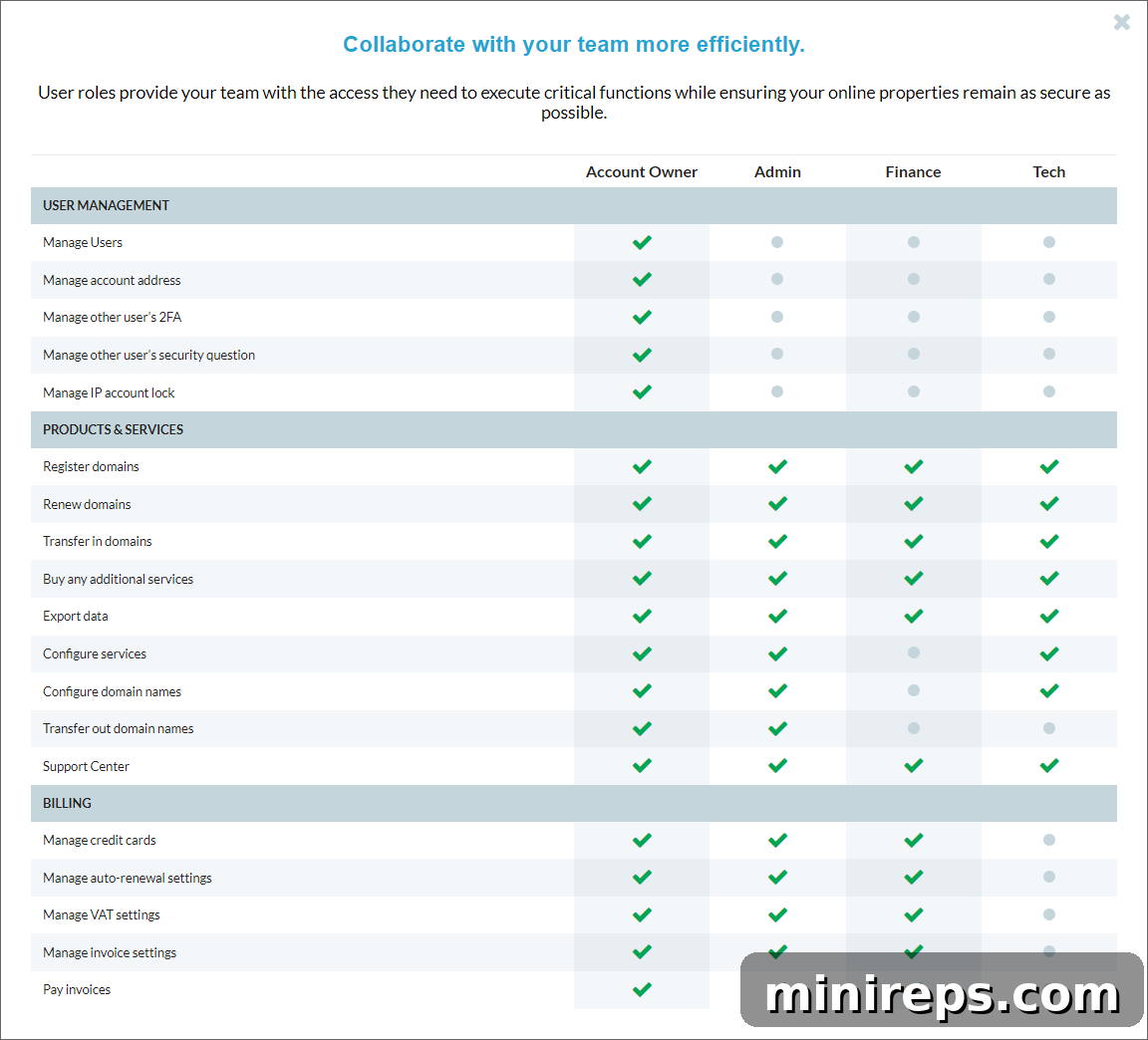
To protect your digital assets effectively, it is highly advisable for a key stakeholder in the business – such as a business owner, a senior IT manager, or a company director – to be the primary account owner. This ensures that the ultimate responsibility and control reside with a person deeply invested in the company’s long-term success and who has the authority to make critical decisions. Once the primary account is established, the account owner can then leverage platform features to create users with specific, granular permissions. This adherence to the principle of least privilege ensures that individuals only have access to the resources and functionalities necessary for their roles, minimizing potential vulnerabilities.
Regularly keeping all data current and ensuring the accuracy of account information across all platforms helps maintain the integrity, security, and operational continuity of your domains and services. To facilitate this, it’s crucial to understand and appropriately assign key roles within your organization:
- Owner: This role should unequivocally be assigned to the organization itself or the main intended owner of the domain/account. It represents the legal entity responsible for the digital asset, holding ultimate control and accountability. The owner should be the primary point of contact for critical legal and strategic matters, ensuring the long-term stewardship of the asset.
- Admin: An individual authorized to manage the account’s day-to-day operations. This includes broad permissions such as adding or removing users, modifying account settings, managing services, and overseeing general maintenance. The Admin is typically responsible for ensuring compliance with internal policies and facilitating smooth operations.
- Tech: This individual is authorized to handle the technical implementation and maintenance aspects of the account, such as DNS management, server configurations, website deployment, and troubleshooting. Separating technical responsibilities from administrative or financial roles helps prevent unauthorized changes to critical infrastructure.
- Finance: An individual or department solely responsible for the financial aspects of the account, including managing billing information, processing renewals, overseeing payments, and handling invoices. Limiting financial access to dedicated personnel reduces the risk of financial fraud and ensures proper budget allocation for digital assets.
By clearly defining these roles and regularly auditing the associated contact information, organizations can significantly enhance their security posture, streamline operations, and ensure that critical digital assets are managed responsibly and resiliently against both internal oversight and external threats.
The Bottom Line: Secure Your Digital Future with Accurate Information
In summation, providing accurate and verifiable contact information is not merely a recommended best practice; it is an absolutely essential requirement for the well-being and security of your digital assets, especially in the context of the current global regulatory environment and the heightened cybersecurity landscape, exemplified by directives like NIS2. From ensuring seamless communication and enhancing your account’s security to facilitating efficient customer service and enabling swift account recovery, the benefits are clear and far-reaching.
Conversely, the risks associated with false or outdated information—ranging from service disruption and account loss to regulatory penalties and significant financial and reputational damage—are too substantial to ignore. Organizations must adopt a strategic approach to managing their digital identities, clearly defining roles like Owner, Admin, Tech, and Finance, and consistently updating their contact details across all platforms.
By diligently ensuring your contact details are up-to-date and safeguarding your digital assets through the implementation of the best practices outlined above, you can expect to enjoy a much smoother, more secure, and ultimately more successful domain and account management experience. We encourage you to review and update your information promptly to strengthen your digital resilience. As always, if you have any questions or require assistance, our dedicated support team is just an email or phone call away, ready to help you navigate the complexities of digital identity management.