

Validate Your Startup Idea: The Ultimate Guide to High-Converting Landing Pages
Every successful venture, whether it’s an innovative idea, a burgeoning business, a distinctive brand, a new product, or a valuable service, shares a fundamental objective: to create substantial value, effectively solve a pressing problem, and introduce a significantly improved way of doing things. If your core concept doesn’t align with at least one of these pillars, it’s crucial to question its ultimate purpose and market viability. In the demanding world of entrepreneurship, one of the most critical steps before investing significant resources is validating your startup idea. And who better to provide invaluable feedback and insights than the very customers you aim to serve?
Entrepreneurs understand that ideas are abundant, but not all are destined for success. The pursuit of every fleeting idea can lead to wasted time, effort, and capital. This is where strategic validation comes into play. Rather than embarking on the monumental task of building an entire business or developing a full-fledged product, a more judicious and resource-efficient approach is to gauge interest and validate your startup idea through focused, high-impact landing pages. This method is not only cost-effective but also significantly less time-consuming, allowing you to iterate rapidly and make data-driven decisions. At this nascent stage, your time is arguably your most valuable investment, making efficiency paramount. To help you navigate this process successfully, here’s a comprehensive guide to building and optimizing landing pages for startup validation.

Setting the Foundation: Define Your Clear Conversion Goal
The primary objective of creating these validation landing pages is to definitively ascertain if your innovative idea holds genuine value for your intended target audience. Without a clear goal, your efforts will lack direction and your data will be inconclusive. Your Key Performance Indicator (KPI) should be meticulously defined and directly tied to your desired call to action (CTA). For instance, a common and effective KPI for early-stage startup validation is an email signup. In this scenario, you would define success as a visitor’s willingness to willingly provide their email address in exchange for future updates, exclusive access, or more information about your groundbreaking idea. This simple yet powerful exchange quantifies interest and helps you validate your startup idea before committing to full development. Other KPIs could include downloads of a free resource, pre-orders, or participation in a survey, each tailored to what you need to learn from your audience.
Crafting an Irresistible User Journey: Make the Path Clear
It’s crucial to understand that a landing page serves a distinctly different purpose than a typical website or even a minimalist 1-2 page site. While a standard website often presents multiple avenues for exploration—offering various services, information, and navigation options—a high-converting landing page is singularly focused. It possesses one, and only one, clear goal and desired outcome. There’s a precise methodology behind constructing effective landing pages, often referred to as conversion rate optimization (CRO). The fundamental principle involves meticulously removing any and all potential obstacles or distractions that could divert a visitor away from your predefined conversion goal. This includes the strategic elimination of standard website navigation menus, extraneous outbound links, or any other elements that do not directly contribute to guiding the user towards taking your desired action. By streamlining the user experience, you maximize the chances of conversion and effectively validate your startup idea.
The Heart of Your Page: Educate, Engage, and Sell with Compelling Copy
While an attractive design is important, the lion’s share of your effort and investment when developing your validation landing page should undoubtedly be dedicated to crafting truly compelling copy. Platforms like Unbounce provide an array of beautifully designed templates that can be easily adapted, freeing you to concentrate your creative energy on persuasive writing. Your copy isn’t just about describing your idea; it’s about educating visitors on the inherent value, solving their problems, and ultimately “selling” them on the benefits of subscribing for future updates or taking your desired action.
Here’s how to make your copy shine:
- Clear and Descriptive Headlines: Your headline is the first thing visitors see and often determines if they stay or leave. It must immediately communicate the core value proposition or the problem you solve. Use power words, evoke curiosity, and be concise.
- Benefit-Oriented Body Copy: Instead of listing features, focus on the benefits your idea brings to the user. How will it make their life easier, better, or more productive? Use storytelling, empathy, and address pain points directly. Make it abundantly clear what they stand to gain from subscribing or engaging further.
- Specific and Actionable Call-to-Action (CTA) Buttons: Gone are the days of generic “Submit” buttons. Your CTA should be explicit about the action and the benefit. Instead of “Submit,” try “Get Early Access,” “Receive Exclusive Updates,” “Unlock Your Free Guide,” or “Join the Waiting List.” The button copy should reinforce the value proposition.
For inspiration and practical examples of well-executed landing pages that leverage powerful copy and design, consider exploring resources like this Unbounce article, which offers detailed critiques and insights into successful designs.
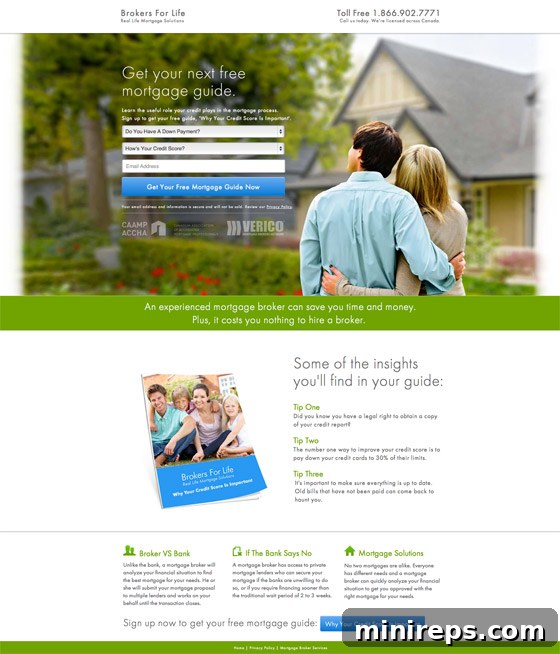
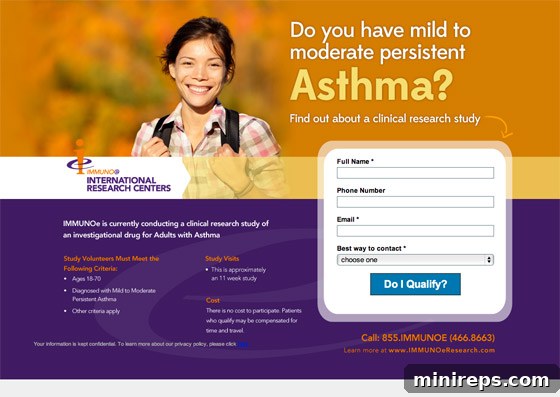
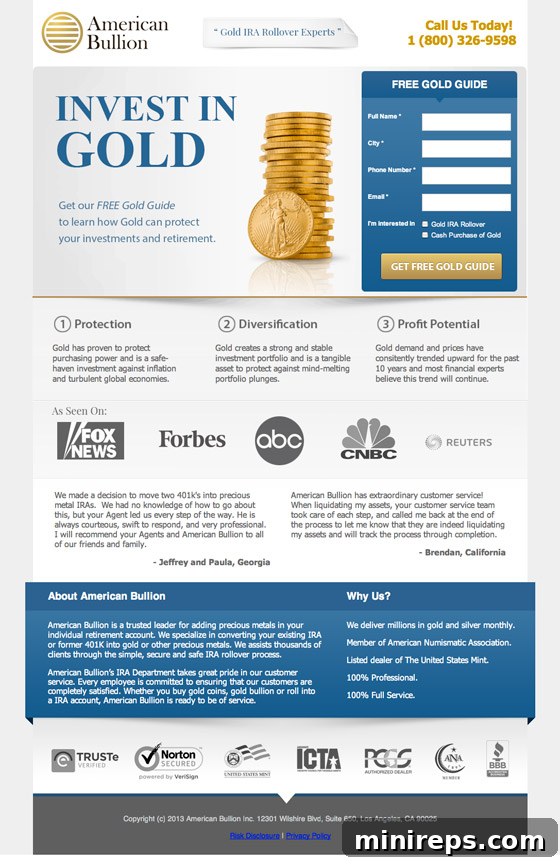
Optimizing for Success: The Power of A/B Testing
Once your landing page is live, the validation process is far from over; it’s just beginning its most data-rich phase. Most reputable landing page platforms come equipped with robust features that enable you to create multiple variations of your page for A/B testing (also known as split testing). This scientific approach allows you to compare two or more versions of a page element to see which one performs better in terms of your defined conversion goal. The beauty of A/B testing lies in its ability to provide concrete data on what resonates most effectively with your target audience. You can test a multitude of elements:
- Headline Variations: Experiment with different angles, lengths, and emotional appeals.
- Call-to-Action Buttons: Change the text, color, size, and placement of your CTAs.
- Body Copy: Test different value propositions, benefit statements, or testimonials.
- Visual Elements: Compare different images, hero shots, or even the presence/absence of video.
- Page Layout and Flow: Reorder sections or try different structural designs.
- Use of Lightboxes or Pop-ups: Experiment with presenting extended content or special offers without forcing the user to leave the page.
Even seemingly minor alterations can yield unexpectedly significant improvements in your conversion rates. The insights gleaned from A/B testing are invaluable for refining your messaging, understanding user behavior, and ultimately strengthening the validation of your startup idea.
Gathering Actionable Feedback: User Testing for Confident Decisions
Beyond quantitative metrics like conversion rates from A/B testing, qualitative feedback from actual users is indispensable. Engaging with an open-source feedback community, such as UsabilityHub, empowers you to solicit input from remote users who can interact with your ideas – in this context, your landing pages. This direct engagement helps you make more informed and confident design and messaging decisions. UsabilityHub, and similar platforms, offer a variety of specialized tests tailored to different aspects of user experience:
- Question Tests: Direct questions to gauge understanding, interest, or specific pain points.
- Five-Second Tests: Users view your page for just five seconds, then answer questions about what they remember or understood. This is excellent for testing clarity of your core message.
- Click Tests: Tracks where users click on your page, revealing their natural navigation and areas of interest or confusion.
- Navigation Tests: Simulates a user journey through multiple screens, ideal for testing more complex flows (though less relevant for single-goal landing pages).
- Preference Tests: Presents users with two or more design options and asks them to choose their preference and explain why.
For the specific purpose of validating a startup idea with a lean landing page, the question test or the five-second test are particularly effective. These provide quick, actionable insights into whether your core message is understood and resonates. You can leverage these platforms to either find a representative audience to directly validate your startup idea or to meticulously work out any usability kinks and refine your offering before a wider launch. This invaluable feedback loop ensures your product or service truly meets market needs.
Establishing Credibility: The Custom Domain Advantage
While many excellent landing page services, including Unbounce, excel at providing comprehensive tools for design, hosting, and analytics, there comes a point where investing in your own digital identity becomes paramount. If you are genuinely serious about your startup idea and are targeting a specific market or niche, acquiring a custom domain name is a critical step. Beyond simply validating your idea, a custom domain lends an air of professionalism and credibility that a platform’s subdomain (e.g., youridea.unbouncepages.com) simply cannot match. It also builds brand recognition from day one.
Consider investing in popular startup and industry-specific domain extensions (Top-Level Domains or TLDs) that resonate with your brand and target audience. For instance, if your startup is rooted in artificial intelligence, a .ai domain can immediately signal your specialization and forward-thinking approach. Similarly, for technology or internet-of-things (IoT) related ventures, a .io domain is a popular and well-recognized choice within the tech community. Other strong options include the widely trusted .com for global appeal or a .co for startups looking for a modern, concise alternative. Choosing the right TLD is part of your initial branding strategy and reinforces your commitment to the venture. A custom domain on your landing page not only makes it easier for potential customers to remember and share your idea but also protects your brand’s future.
Beyond Validation: Charting Your Path Forward
With your landing pages actively collecting data and feedback, you’ll reach a pivotal moment: evaluating the results against your predefined success metrics. Did you achieve your target conversion rate, perhaps 25%? Did you reach your goal of 100-200 signups from direct traffic? Answering these questions with concrete data will reveal whether your business idea is truly worth pursuing. If the data is positive and validates your core hypothesis, congratulations! This is a significant milestone, and it’s time to transition from validation to the next phase of your entrepreneurial journey.
The successful validation of your startup idea signals the green light for more comprehensive planning and budgeting. This crucial phase involves a deeper dive into market analysis, detailed financial projections, and operational strategies. Critically, it also includes researching and securing trademarks for your brand name and logo, and officially registering the primary domain name for your future full-scale website. Getting a head start on this process, even while your idea is still in the landing page validation phase, is an exceptionally smart move.
Think of it as securing your digital claim. The last thing any aspiring entrepreneur wants is for someone to discover their promising idea through their public-facing landing page and then swiftly register the ideal domain name, effectively hijacking your future brand identity. This unfortunate scenario, often caused by opportunists or “domain sharks,” can lead to costly legal battles or force a complete rebranding. By securing your custom domain early for your landing page, you not only establish credibility and protect your brand but also lay a solid foundation for your impending launch. Register a custom domain for your landing page, rigorously validate your idea, and confidently prepare to launch your thriving business into the market.