


In today’s fast-paced digital landscape, especially within the dynamic technology sector, certain terms become fundamental to understanding the operational backbone of any successful venture. If you’re building a brand, launching a startup, or even evolving an established tech company, you’ve undoubtedly encountered the concept of a “tech stack.” This isn’t just jargon; it’s the very foundation upon which your digital presence and products are built.
Your tech stack represents the entire ecosystem of programming languages, frameworks, databases, servers, and software products that power your web or mobile application. It’s the engine behind your innovation, determining everything from performance and scalability to security and user experience. However, there’s a crucial, often overlooked, component that’s equally vital to this foundation: your **domain stack**. While the traditional tech stack dictates how your product functions, your domain stack dictates how your audience finds, recognizes, and trusts your brand online. This article will delve into what a domain stack and, specifically, a tech domain stack entails, why owning it is paramount for any technology company, and how it safeguards your digital future.
Understanding the Domain Stack: More Than Just a Website Address
While the term “tech stack” refers to the underlying technological infrastructure, a “domain stack” refers to your comprehensive portfolio of domain names that collectively define your brand’s digital identity. Think of it as owning your entire online real estate, not just a single plot. In a world where digital presence is synonymous with brand existence, securing your domain stack is a strategic imperative for brand protection, market positioning, and ensuring seamless user access. It goes beyond simply registering your primary brand name; it involves securing related domain names, common misspellings, and crucial extensions that are relevant to your industry.
The core concept revolves around proactive brand defense. You might possess the primary domain name for your trademark within your specific industry, but this doesn’t guarantee that a competitor, a cybersquatter, or even a legitimate business from another sector won’t register a similar or complementary domain. This oversight can lead to user confusion, diluted brand recognition, and even significant financial costs to reclaim your rightful digital territory. The goal is to establish an impenetrable digital perimeter around your brand, making it difficult for others to impersonate or overshadow your online presence.
The Tesla Story: A Cautionary Tale and a Triumph of Persistence
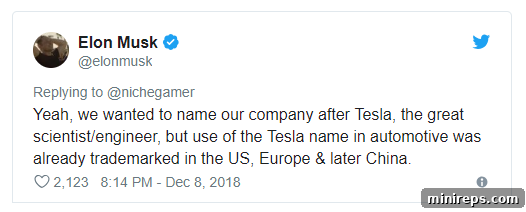
The story of Tesla, Inc., and its iconic domain name, tesla.com, serves as a powerful illustration of the challenges and importance of a robust domain strategy. When Elon Musk embarked on his ambitious electric vehicle venture in 2004, he envisioned naming it after the pioneering scientist and engineer, Nikola Tesla. However, the path to fully owning the “Tesla” brand online was fraught with obstacles.
Initially, the name “Tesla” was already trademarked in key markets like the US, Europe, and China, necessitating complex legal maneuvers to secure the rights. Even more challenging was the acquisition of the coveted tesla.com domain. For over a decade, the company operated under teslamotors.com, a respectable but arguably less impactful domain than the simpler, more authoritative tesla.com. The original domain owner, a Silicon Valley engineer, held firm, leading to a protracted negotiation that reportedly culminated in a staggering $11 million acquisition cost for Tesla in 2016. This saga underscores a critical modern business truth: in an interconnected world, truly original ideas, especially brand names, are exceedingly rare. If you’ve just conceived of a brilliant name, chances are someone else already owns the prime domain for it.

There is no such thing as an original idea today. If you just thought of it, someone probably already owns the domain name for it.
The Tesla experience underscores why being proactive in claiming your online real estate – and, in this case, your full tech domain stack – is not merely beneficial but absolutely essential. Waiting can result in exorbitant costs, lost brand equity, and a fragmented user experience. It highlights the profound value of securing not just your primary online identity, but a comprehensive suite of domain assets that protect and empower your brand.
Defining Your Tech Domain Stack: Essential TLDs for Innovation
A “tech domain stack” is a curated collection of domain names specifically aligned with the needs and identity of technology companies and startups. It encompasses the most popular and strategically valuable top-level domains (TLDs) within the startup and modern tech culture, offering instant recognition and credibility. For any tech venture aiming to carve out a distinct identity, owning a robust tech domain stack is a non-negotiable step. This stack typically includes innovative TLDs like .ai, .io, .tech, and .app, alongside the universally recognized .com domain.
The Pillars of Your Tech Domain Stack
Let’s explore each essential domain and why it forms a critical part of your tech brand’s online presence:
.ai Domain: The Future of Intelligence
The .ai domain has transcended its original designation as the country code for Anguilla. Today, it stands as the unofficial, yet universally recognized, domain for companies specializing in artificial intelligence and machine learning. In an era where AI is rapidly reshaping industries, a .ai domain instantly signals innovation, cutting-edge technology, and a focus on the future. For startups and tech giants alike, adopting a .ai domain is a clear declaration of their specialization, helping them stand out in a crowded digital landscape and resonate directly with their target audience. It offers a powerful, concise, and highly relevant brand identity for any AI-driven enterprise, making it a cornerstone of the modern tech domain stack.
.io Domain: The Developer’s Favorite
Much like .ai, the .io domain has evolved far beyond its geographical origin as the country code for the British Indian Ocean Territory. It has become a beloved domain hack in the technology sector, widely recognized as shorthand for “input/output” – a fundamental concept in computing. This association has made .io domains incredibly popular among developers, SaaS companies, gaming platforms, and tech startups aiming for a modern, minimalist, and developer-friendly image. Its brevity and strong association with core computing principles make it an essential component of the tech domain stack, conveying a sense of innovation and technical proficiency that resonates with tech-savvy audiences. It suggests agility, focus, and a deep understanding of the digital realm.
.tech Domain: Unambiguously Tech-Focused
When it comes to communicating your industry focus without ambiguity, the .tech domain is unrivaled. It directly and clearly broadcasts that your business is rooted in technology, making it ideal for tech companies, innovative startups, tech blogs, and professionals within the sector. Owning your brand name under the .tech TLD is crucial for solidifying your identity. Imagine the detrimental impact if a competitor or another entity were to register your company’s name with a .tech extension. It would dilute your brand message, create confusion, and undermine all the hard work invested in establishing your technological credibility. The .tech domain acts as a straightforward and powerful statement, ensuring your technology-driven brand is unequivocally identified and protected online.
.app Domain: For the Mobile-First World
In a world increasingly dominated by mobile applications, the .app domain provides an intuitive and direct online home for any application-centric venture. Whether you’re launching a new mobile app, developing a Software-as-a-Service (SaaS) platform, or creating a web-based tool, a .app domain instantly signals to users that they are at the right place for an application. This TLD is particularly favored by app developers and mobile designers who prioritize discoverability and clarity. Critically, all .app domains require HTTPS, ensuring a secure connection and building user trust right from the start. For any business with an application at its core, the .app domain is indispensable for making sure their apps get found online and perceived as professional and secure.
.com Domain: The Enduring Standard of Trust
Despite the rise of specialized and new TLDs, the .com domain remains the undisputed gold standard for online credibility and recognition. Every premium brand, regardless of its industry, aspires to own its .com domain. It carries an inherent level of trust, authority, and universality that no other TLD has yet matched. For many users, a .com domain is the assumed address for any legitimate business. Securing your brand’s .com is vital for broad appeal and ensuring traditional user expectations are met. While most desirable .com names have been registered, investing in a premium acquisition or opting for a slightly longer but memorable .com can still be a worthwhile strategic move. Its inclusion in your tech domain stack provides a stable, trusted anchor amidst your more specialized tech-focused domains, ensuring maximum reach and brand integrity.
The Strategic Imperative of Owning Your Entire Tech Domain Stack
Beyond simply listing these domains, the true power lies in owning a comprehensive portfolio – your complete tech domain stack. This strategic approach offers multiple profound benefits for any technology enterprise:
1. Unwavering Brand Protection: Owning multiple relevant TLDs prevents competitors, cybersquatters, or malicious actors from registering similar domain names and diluting your brand, redirecting your traffic, or even engaging in phishing scams. It’s an essential layer of defense for your intellectual property.
2. Enhanced User Experience and Trust: A consistent and protected online presence across various relevant domains ensures that users always land on your legitimate site, regardless of which TLD they might try. This consistency builds trust and reinforces your brand’s reliability.
3. Optimized SEO and Discoverability: While Google explicitly states that TLDs generally don’t offer an SEO advantage, owning relevant TLDs can contribute to a stronger overall brand signal. More importantly, it prevents competitors from using similar high-ranking TLDs to siphon off potential traffic. Redirecting all these domains to your primary website can consolidate brand authority and search equity.
4. Future-Proofing Your Digital Identity: The digital landscape is constantly evolving. What might be a niche TLD today could become mainstream tomorrow. By securing a comprehensive stack now, you future-proof your brand against unforeseen trends and ensure flexibility for expanding your products or services into new areas.
5. Credibility and Professionalism: For tech startups, especially when seeking investment or partnership, demonstrating a sophisticated understanding of digital asset management by owning a complete domain stack signals professionalism and foresight. It shows you’re serious about your brand’s longevity.
Whether you call it a domain counterpart strategy, a robust domain portfolio, or a comprehensive tech domain stack, the underlying principle remains unchanged and critically important. In today’s hyper-connected world, proactively securing your entire digital footprint by registering all relevant domains for your brand is not merely an option but a foundational necessity for any thriving technology company. It’s an investment in your brand’s security, visibility, and enduring success.